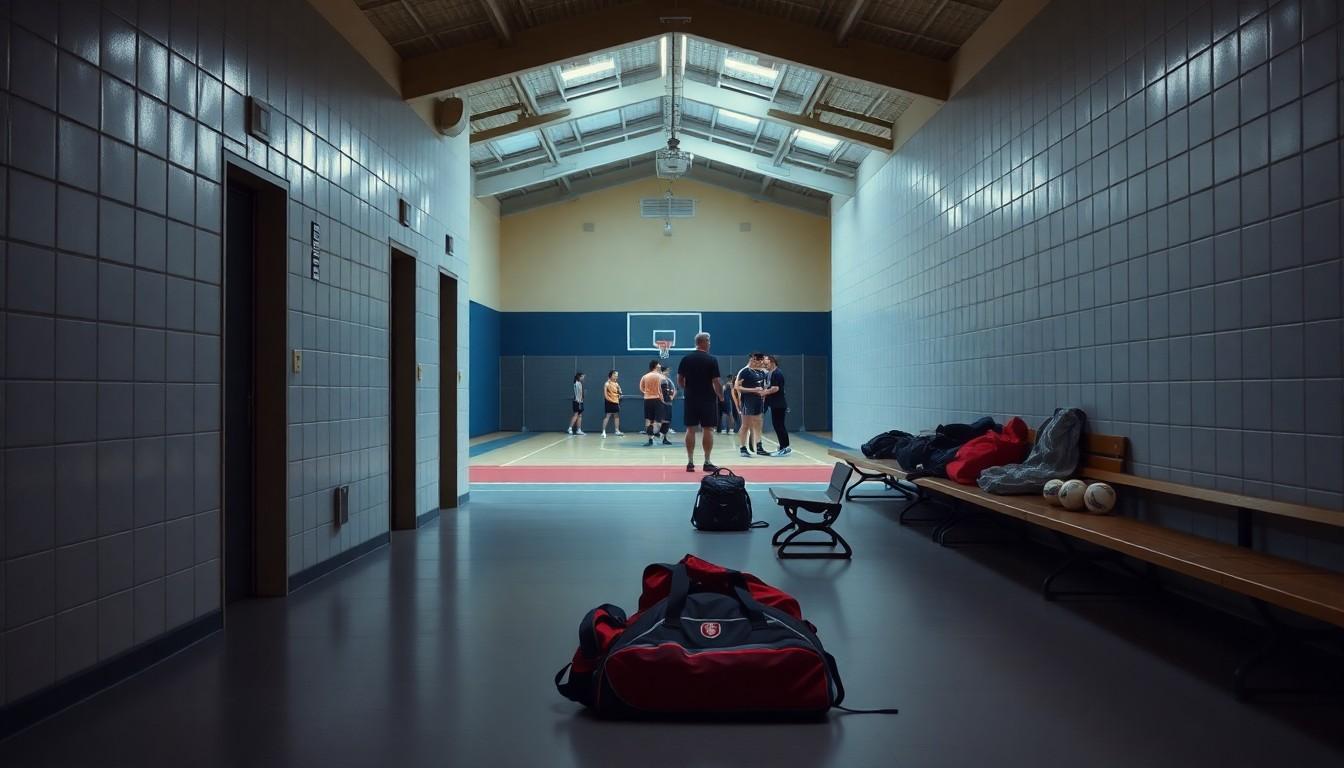
Dutch sport clubs were once seen as places where acceptance could grow, but fresh figures suggest the atmosphere is shifting. With fewer young people expressing positive views of homosexuality and more athletes uneasy about gay teammates, the question is no longer whether inclusion matters, but what clubs and governing bodies should do next.
The numbers show a troubling shift
Acceptance of homosexuality among young people in the Netherlands has fallen sharply. A 2025 survey found that, in a typical secondary-school class of 30 pupils, the number with positive attitudes had dropped from 18 in 2021 to 11. That change matters well beyond the classroom, because young people carry their views into teams, changing rooms and club life. [3], [4]
Sport reflects the wider mood. Figures reported by NOS show that the share of people with no objection to gay fellow athletes fell from 86 per cent in 2020 to 66 per cent in the latest results. Put plainly, around one in three respondents now has some difficulty with gay people in their sporting environment. [2]
Why a sports club can feel less welcoming
A club can bring together people who might not otherwise meet, making sport a powerful setting for building familiarity and trust. But that promise depends on people feeling safe enough to take part as themselves, not scanning the street or the changing room for signs that they should keep their distance. [5], [6]
Research into inclusive masculinity in Dutch sport offers useful context for understanding how attitudes and sporting cultures interact. Earlier work also shows that acceptance has been a subject of public discussion for decades, rather than a settled issue that can simply be ticked off. [6], [7]
Progress needs more than a rainbow gesture
Campaigns and public statements can signal support, but they need follow-through. In the lead commentary, the writer points to a retreat in visible backing from sports organisations, including the KNVB's decision to stop using the OneLove captain's armband. That example captures a familiar tension: a gesture can raise awareness, but consistency is what makes support credible. [1], [2]
There are no simple figures here that prove one policy alone can reverse the trend. Still, local authorities and sports organisations have a practical role to play in making inclusion part of everyday club life, rather than an annual slogan. Clear policies, visible leadership and a straightforward way to report harassment can give members something more solid than good intentions. [5], [6]
What clubs and teammates can do now
For clubs, the first step is to make expectations clear: homophobic abuse should be challenged, and members should know who to approach if it happens. Coaches and committee members can also check whether team routines, language and facilities make everyone feel welcome. Small details matter, especially when they're repeated week after week. [5], [6]
For players and supporters, a useful response needn't be grand. Backing a teammate when a joke crosses the line, or asking a club how it handles discrimination, helps make acceptance visible in ordinary moments. If you're choosing a club, look for clear conduct rules and leaders who talk about inclusion as part of the game, not an optional extra. [2], [5]
The next move belongs to sports leaders
The recent figures don't mean every club is hostile, and they don't erase years of work. They do suggest that progress isn't automatic, particularly when wider social attitudes are shifting too. [2], [3]
Sporting bodies can choose to be passive or to lead. Funding helps, but so does the willingness to stand publicly with LGBTQ+ athletes and keep doing so when the conversation gets uncomfortable. For anyone who loves the shared rituals of sport, that feels like a responsibility worth taking seriously. [1], [5]
A welcoming team is built in everyday moments, and it takes leaders brave enough to keep backing it.
Source Reference Map
Story idea inspired by: [1]
Sources by paragraph: