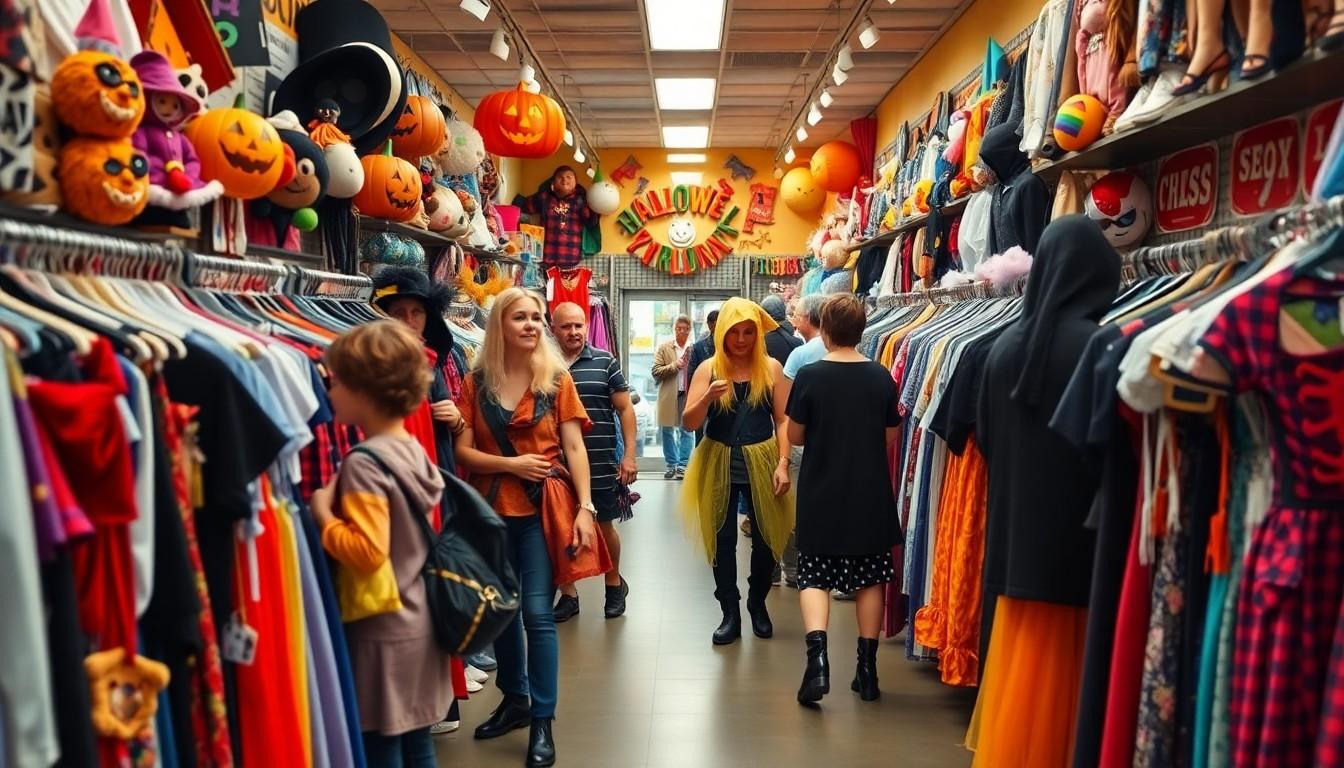
Queer Halloween's niche, reference-heavy costumes are turning up in mainstream coverage, from social media to national news. The appeal isn't simply dressing up: it's the pleasure of recognising an obscure cultural moment, and the fun of explaining it to everyone else. But as the joke spreads, its original spirit of queer visibility matters more than ever.
Gay Halloween is all about the reference
A Scream mask is easy to place. A costume based on a particular celebrity moment, a tiny pop-culture detail or a scene from a beloved series? That may need a photo and a patient explanation. That's the charm of Gay Halloween: the best outfits can look wonderfully baffling until the reference clicks. (Sources: Queerty; The Tab.) [2][5]
The phrase is often used for costumes built around niche queer cultural touchstones rather than standard horror-film characters. Think less off-the-shelf vampire, more lovingly reconstructed internet moment. And yes, the joke often depends on someone asking, "What are you meant to be?" (Sources: Vanity Fair; The Guardian.) [3][4]
The inside joke has escaped the internet
The meme has travelled well beyond its original online circles. Vanity Fair, The Guardian, The Tab and Yahoo have all covered the trend, while CNN has also featured an explainer, a sign that a once-in-group joke is now drawing broader attention. (Sources: Vanity Fair; The Guardian; The Tab; Yahoo; Queerty.) [2][3][4][5][6]
That wider attention can be funny in its own right, but it changes the joke. Queerty's report notes that people unfamiliar with a costume's reference are part of the experience; the bewildered reaction isn't necessarily a failure of the outfit. Sometimes it's the whole point. (Sources: Queerty; Yahoo.) [2][6]
Why obscure costumes feel so satisfying
A niche costume is a little act of recognition: you make something for the people who will get it, even if most of the room won't. That makes the look feel more personal than a ready-made outfit, and it gives the wearer a chance to celebrate the films, performers and online moments that mean something to them. (Sources: Vanity Fair; The Tab.) [3][5]
Queerty frames the meme as more than an invitation to show off obscure knowledge. At its heart, it can also be about wanting to be seen and appreciated. That distinction matters: the costume may be silly, but the sense of belonging behind it is real. (Sources: Queerty; The Tab.) [2][5]
How to make a niche Halloween costume work
Start with a reference you genuinely love, not one you think will earn the most knowing nods. Pick a detail people can recognise in a photograph, then build the costume around one or two strong visual clues. The Guardian's costume coverage and The Tab's account of the meme both show how a specific reference can become the entire idea. (Sources: The Guardian; The Tab.) [4][5]
And don't worry if everyone doesn't get it immediately. A picture on your phone can help, but a short explanation is often more fun than a costume that needs a full presentation. If the outfit makes one person laugh and another ask a curious question, it's doing its job. (Sources: Queerty; Yahoo.) [2][6]
Going mainstream doesn't have to spoil the fun
There's a familiar tension when an internet in-joke becomes popular: more people can join in, but the original community can feel as if its language has been borrowed without its context. Vanity Fair's coverage describes Gay Halloween as having moved beyond its online bubble, while Queerty's reporting reflects on why the meme resonated in the first place. (Sources: Vanity Fair; Queerty.) [2][3]
Still, a bigger audience doesn't have to mean the party is over. The most interesting costumes aren't just obscure for obscurity's sake; they're personal, inventive and rooted in a shared love of culture. And if your outfit needs a little explanation, that's a conversation starter, not a costume emergency. (Sources: Queerty; Vanity Fair.) [2][3]
Make the costume for the reference you love, and let the right people find their way to it.
Source Reference Map
Story idea inspired by: [1]
Sources by paragraph: