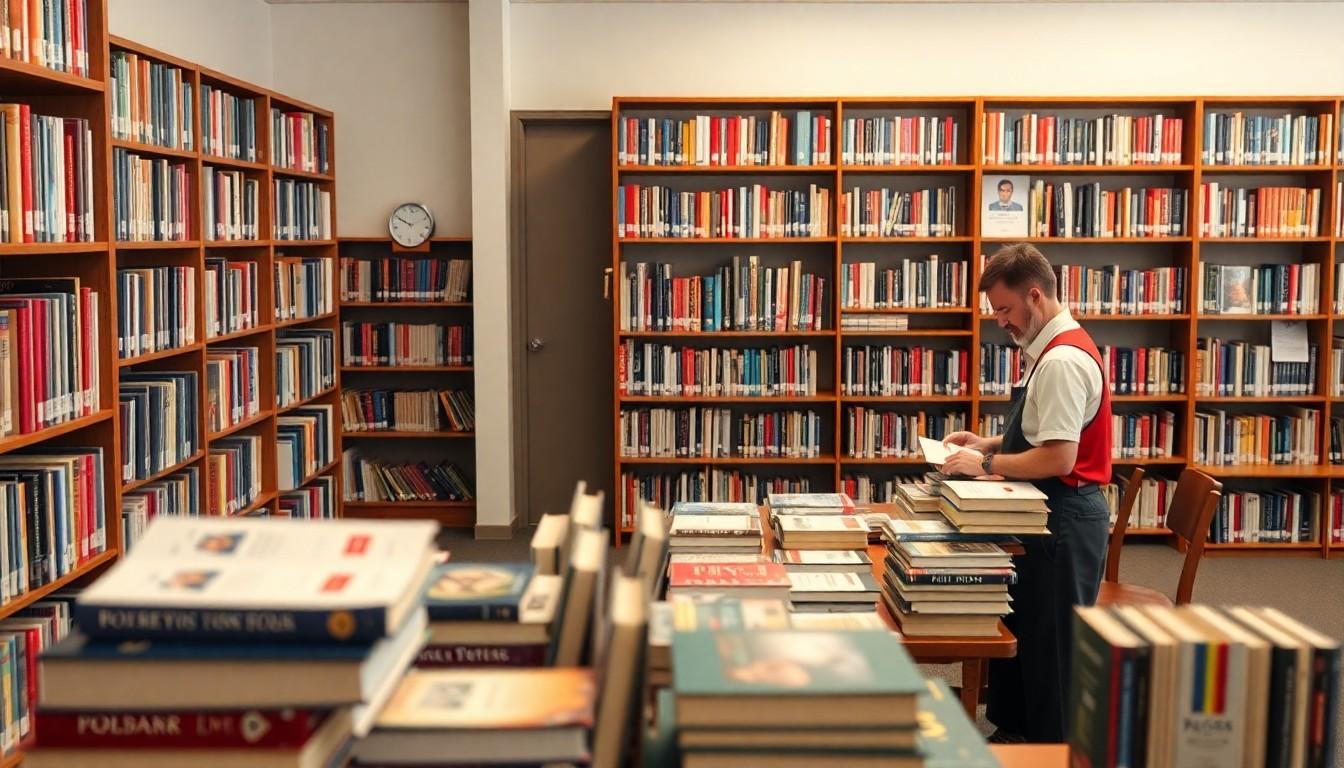
Readers, librarians and authors are preparing for Banned Books Week, as fresh figures reveal the scale of challenges to books in the United States. The American Library Association’s latest list includes young adult novels, memoirs and classics, while its wider report points to a growing fight over whose stories remain easy to find.
Book challenges remain close to a record
The American Library Association recorded 4,235 unique titles challenged in 2025, only five fewer than its highest total, set in 2023. The figure comes from the association’s latest survey of efforts to restrict books in libraries and schools. (ALA)
The distinction matters: a challenge is an attempt to remove a book or limit access to it; a ban means the material has been removed. Both can narrow what readers are able to discover, but they describe different stages of that process. (ALA)
Which books are facing pressure?
The ALA’s 2025 list includes Sold by Patricia McCormick, The Perks of Being a Wallflower by Stephen Chbosky and Maia Kobabe’s graphic memoir Gender Queer. Other titles include A Clockwork Orange, Looking for Alaska and Sarah J. Maas’s A Court of Thorns and Roses. (ALA)
The range is striking: contemporary young adult fiction sits alongside established adult literature. In its report, the ALA says 40 per cent of the challenged titles represent the lived experiences of LGBTQIA+ people and people of colour. (ALA)
That mix is one reason book challenges aren’t simply a debate about age ratings or shelf placement. They can also shape which experiences young readers encounter in a school or public library. (ALA)
Who is behind the challenges?
The ALA says fewer than 3 per cent of challenges in 2025 came from individual parents, while 92 per cent originated with pressure groups, government officials and decision-makers. Those figures challenge the familiar picture of book disputes as mostly local, one-off complaints. (ALA)
PEN America has separately tracked nearly 12,000 book bans in US public schools during the 2025-26 school year. Its research highlights how restrictions can spread across districts and states, rather than remaining isolated incidents. (PEN America)
The numbers use different measures: the ALA tracks challenged titles, while PEN America counts school book bans. They shouldn’t be treated as a direct comparison, but together they show why advocates are watching both libraries and schools. (ALA; PEN America)
Banned Books Week puts the focus on access
Banned Books Week brings together librarians, educators, authors, publishers, booksellers and readers to draw attention to censorship and intellectual freedom. The 2026 event is scheduled for 4 to 10 October, with the theme “Let Books Be. Protect the Freedom to Read.” (ALA)
The week’s history also reaches back well beyond today’s lists. Walt Whitman’s Calamus poems, exploring intimate affection between men, were among works that drew official disapproval in the nineteenth century; Harvard reportedly kept the collection in a locked cabinet. (Calamus Project)
And the wider history is sobering. The United States Holocaust Memorial Museum documents how Nazi authorities and supporters burned books in 1933, targeting Jewish writers and others whose ideas they rejected. (USHMM)
A useful moment to visit your library
If a title on the list catches your eye, ask your local library whether it’s available, and check its catalogue before making a trip. Libraries can also explain how they handle challenges and how readers can take part in public discussions about access. (ALA)
In a 1953 address at Dartmouth, President Dwight D. Eisenhower defended the right to read and hear ideas that people may disagree with. His words still offer a simple test: a free society should be able to encounter difficult ideas, not hide them from view. (Dartmouth)
Banned Books Week is a reminder that the freedom to read depends on keeping books within reach.
Source Reference Map
Story idea inspired by: [1]
Sources by paragraph: