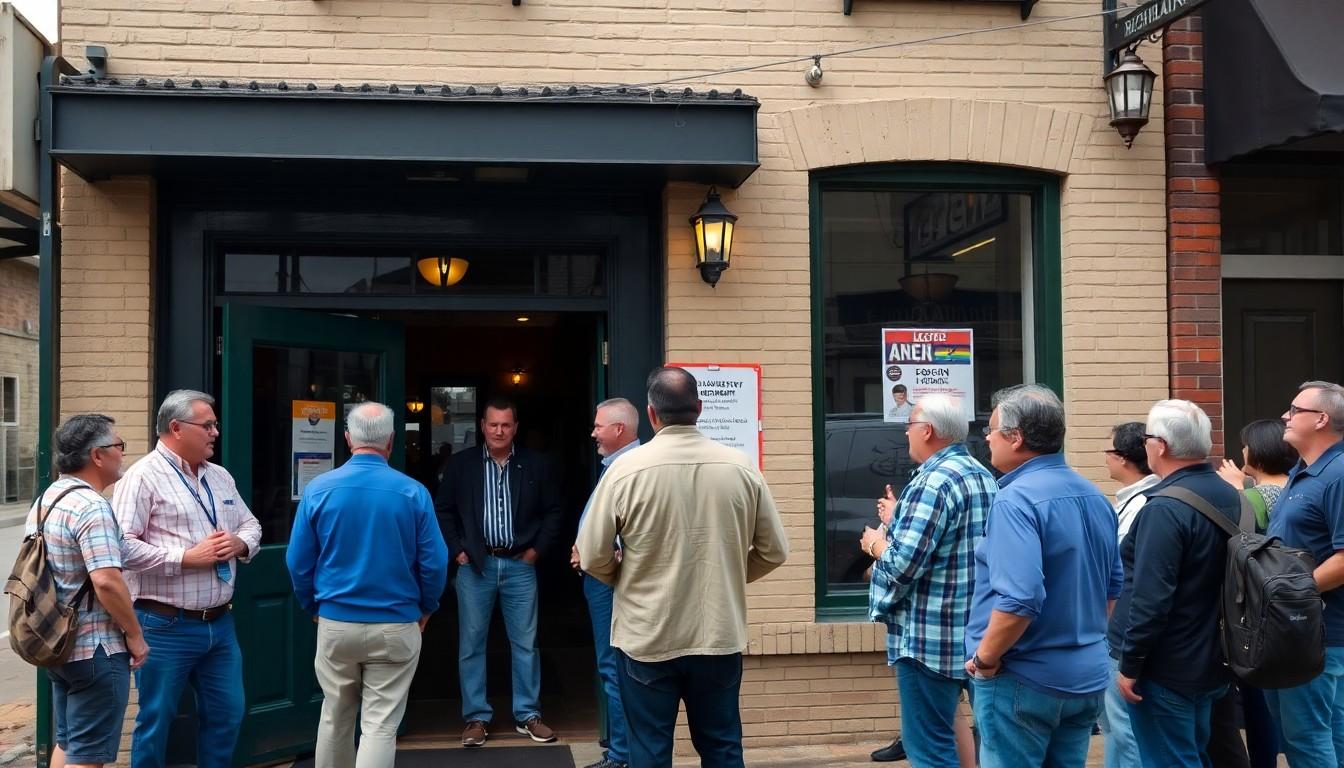
Virginia voters are being asked to remove the state’s dormant constitutional ban on same-sex marriage and put an affirmative right to marry in its place. The change matters even though same-sex couples can marry in Virginia today: it would remove a lingering legal threat and offer LGBTQ+ families a clearer sense of security.
Virginia’s marriage equality amendment is about more than symbolism
The key question is whether Virginia’s constitution should continue to carry a ban that courts have made unenforceable. The proposed amendment would replace that prohibition with a right for two adults to marry, regardless of sex, gender or race. [2], [3]
That distinction matters. Marriage is already legal for same-sex couples under the US Supreme Court’s ruling in Obergefell v. Hodges, but the old wording remains in Virginia’s constitution. It’s a legal relic with a very present emotional weight. [3], [4]
Why remove a ban that can’t currently be enforced?
The concern is what could happen if the Supreme Court’s protection were ever reversed. In Dobbs v. Jackson Women’s Health Organization, the court overturned the federal constitutional right to abortion; Justice Clarence Thomas also argued that the court should revisit other precedents, including Obergefell. [4], [5]
Virginia law currently recognises same-sex marriages, but removing the constitutional prohibition would give the right a firmer footing in state law. For couples who remember when their neighbours voted to ban their marriages, that change could offer reassurance as well as legal protection. [2], [3], [6]
Public attitudes have shifted, but the debate hasn’t vanished
The political mood around marriage equality has changed dramatically since Virginia approved its ban in 2006. Gallup reported that support for legal same-sex marriage had reached 65 per cent by May 2026, though that remained below its peak of 71 per cent in 2022 and 2023. [7]
That broad shift is encouraging, but it isn’t the same as a guarantee. A constitutional amendment would make Virginia’s position explicit, rather than leaving families to rely on a federal court ruling that opponents could seek to overturn. [3], [4], [5], [7]
What Virginia voters should know about the proposed change
The amendment would remove the existing marriage prohibition and establish that the right to marry belongs to two adults without discrimination based on sex, gender or race. The state’s official constitutional text sets out the current ban, while the legislation authorising the question lays out the proposed change. [2], [3]
For voters weighing the measure, the practical question is straightforward: should Virginia’s constitution affirm marriage equality directly, even though same-sex couples can marry under current protections? The answer has consequences for the state’s legal framework and for how secure families feel in their everyday lives. [2], [3], [4]
A milestone, not the end of the conversation
Supporters have framed the change as a way to correct a past wrong and make Virginia’s commitment to equal marriage unmistakable. It would also add to a wider national effort to remove remaining state-level bans, rather than treating the issue as settled simply because couples can marry today. [2], [3]
Marriage equality is one important measure of inclusion, not the whole story. Still, constitutional language matters: sometimes the words on the page tell people whether they belong, even when the law currently protects them. [3], [6]
Virginia’s vote is a chance to replace an old exclusion with a clearer promise of equal marriage. [2], [3]
Source Reference Map
Story idea inspired by: [1]
Sources by paragraph: