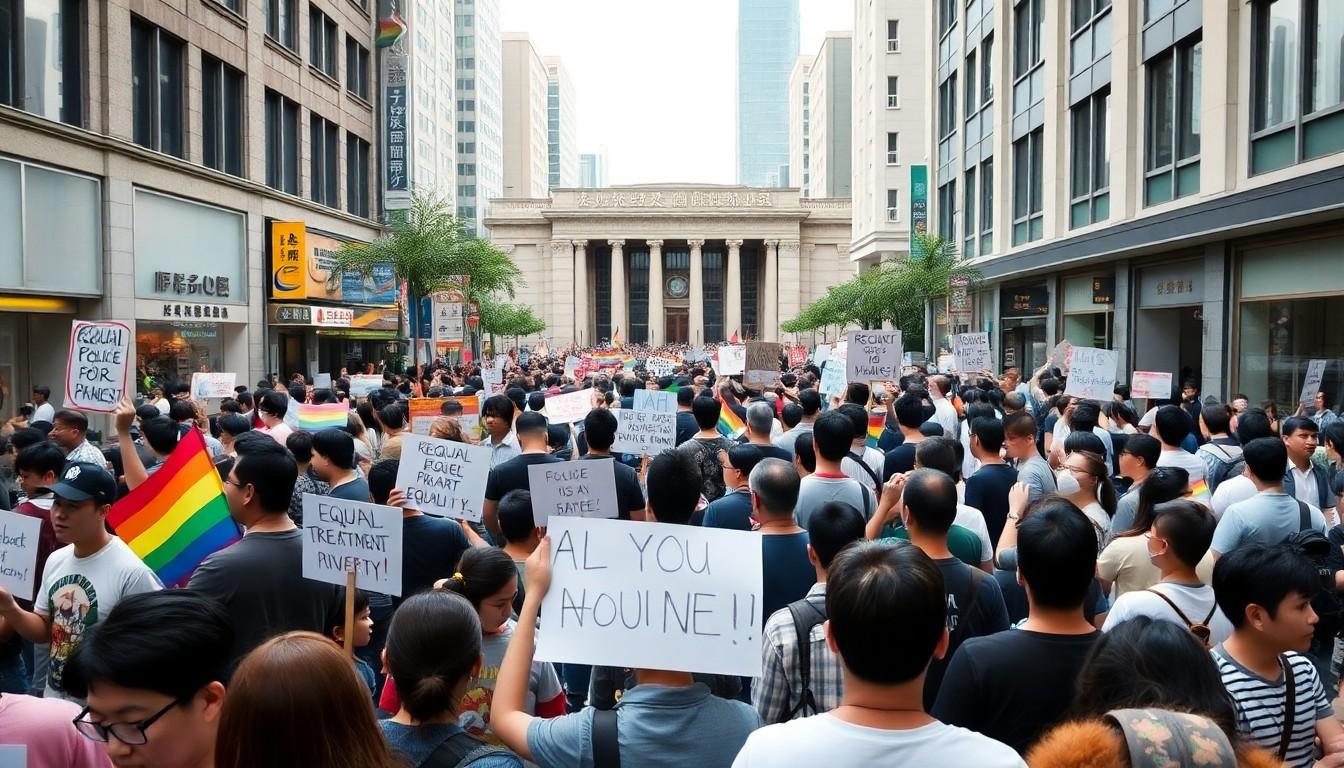
A sea of rainbow flags and protest signs filled Taipei as Taiwan's 24th LGBTQ+ Pride Parade drew an estimated 170,000 people. The march followed a disputed police search at a gay bar, bringing fresh attention to LGBTQ+ rights, public power and the freedom to live openly.
Taipei Pride became more than a celebration
Taipei's Pride march brought a bright, noisy rush of flags, music and cheering crowds, but this year's gathering also carried a pointed message. Organisers estimated that more than 170,000 people took part, with some holding signs criticising the police search of a gay bar earlier in the month.
The parade's theme, "Our Voices, Our Journey", called for people to listen and walk together. For many attendees, the event was both a celebration of LGBTQ+ life and a public response to the search, which organisers said had revived memories of state pressure on queer communities.
Why the police search struck a nerve
The search took place in early October and prompted concern among LGBTQ+ advocates and supporters. Taiwan's Pride organisers said the incident, alongside a wider international retreat from diversity, equity and inclusion initiatives, had encouraged people to speak out.
One particularly upsetting reported remark concerned disabled people's sex lives. Disabled rights advocates joined the march in wheelchairs, carrying signs asserting that disabled people have the right to intimacy, too. It was a direct, human response to language many found demeaning.
A large march, with many voices
More than 180 groups registered to participate, according to the organisers. The crowd included international representatives and community groups, as well as supporters from several Taiwanese political parties, showing how widely the issue resonated beyond LGBTQ+ organisations.
Along the route, parade floats, music and rainbow flags gave the day its celebratory energy. A rainbow market with more than 90 stalls added another layer, with around a third run by non-governmental organisations. Pride can be joyful and political at once; in Taipei, the two were hard to separate.
Taiwan's rights record still has unfinished business
Taiwan became the first place in Asia to legalise same-sex marriage, a milestone that remains significant across the region. But advocates say legal recognition doesn't settle every question, including rules around changing gender markers on official documents without surgery.
International guests also pointed to unresolved marriage rights for couples in Japan and cross-border partners. Their presence underlined that progress in one place can offer hope elsewhere, while leaving practical gaps painfully visible.
What this year's turnout says
The parade's large crowd suggests that many people saw the bar search as a reason to show up, not stay home. Organisers and visiting advocates stressed the importance of listening when communities feel their voices are being ignored.
For visitors, Taipei Pride offers both spectacle and substance: an exuberant street event, and a reminder that equal treatment depends on more than a landmark law. The signs may disappear after the march, but the questions they raise don't.
It's a celebration worth enjoying, and a conversation worth carrying beyond the parade route.
Source Reference Map
Story idea inspired by: [1]
Sources by paragraph: