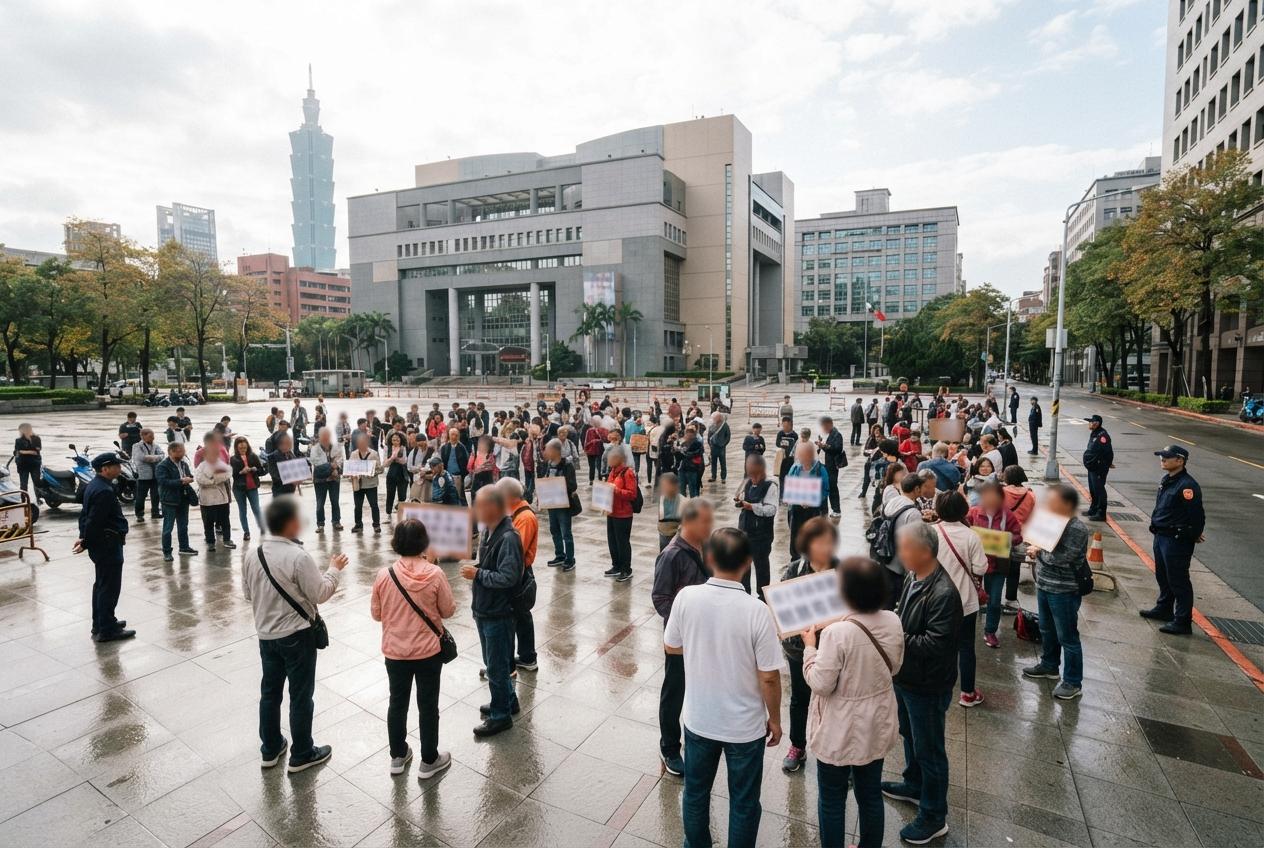
Taipei’s 2026 Taiwan Pride parade is bringing LGBTQ+ rights back into focus, as President Lai Ching-te voices support amid concerns about discrimination and a recent policing controversy. The message is clear: legal progress matters, but people also need privacy, dignity and the freedom to live openly without fear.
Key takeaways
- A milestone march: Taiwan’s 24th annual Pride parade is taking place in Taipei on 31 October 2026.
- A call for respect: Lai says public authorities must act lawfully, protect privacy and treat people equally.
- Progress isn’t the finish line: Taiwan legalised same-sex marriage in 2019, but discrimination can still shape daily life.
- This year’s theme: The parade’s message, “Listen together, walk together”, highlights solidarity and the value of hearing different voices.
Pride returns to Taipei with a timely message
Taipei’s streets are once again filling with colour for Taiwan Pride, but this year’s march carries a pointed reminder: visibility and legal rights don’t automatically make life easy. President Lai Ching-te has voiced support for the event while addressing concerns about prejudice and a recent policing dispute involving an LGBTQ+ venue.
The parade is the 24th in Taiwan, and its theme centres on listening and moving forward together. That feels especially apt when public debate can be loud, while the people most affected are still asking to be heard.
Marriage equality was a milestone, not the end
Taiwan became the first place in Asia to legalise same-sex marriage in 2019, following years of advocacy. The change gave same-sex couples the right to marry, marking a significant shift in the region.
But a law can change faster than attitudes. Lai noted that coming out to family, holding a partner’s hand in public or feeling safe to be oneself at work can still take courage. Equality on paper matters enormously; so does whether people feel it in ordinary moments.
What the policing controversy has brought into focus
A recent enforcement dispute involving a gay bar in Taipei’s Ximending district has prompted concern about how public authority is exercised. In remarks connected to those worries, Lai stressed that officials must follow the law, respect privacy and avoid treating anyone as a target because of their identity.
That principle reaches beyond one venue or one news cycle. Trust depends on people believing that rules are applied fairly, and that private information stays private. When those assurances feel uncertain, the effects can spill into everyday life.
Why listening matters as much as speaking
The discussion has also drawn attention to the experiences shared by entertainer Kevin Tsai, who spoke about growing up gay and the hostility he encountered. Lai praised the courage involved in speaking up, saying that a genuinely free society must not only protect expression but also listen to the concerns of different communities.
That is a useful measure of progress: not simply whether people can speak, but whether their words lead to understanding. For younger people watching, seeing adults take those concerns seriously can make a difference.
A practical way to support LGBTQ+ inclusion
For anyone attending Pride, the simplest approach is to follow organisers’ guidance, respect people’s privacy and ask before taking or sharing identifiable photos. Not everyone wants to be publicly out, even at an event built around visibility.
And if the parade isn’t your scene, listening still counts. Pay attention to what LGBTQ+ people say about their experiences, and support equal treatment in workplaces and public services. The march is one day; respect is a daily practice.
Taiwan’s Pride parade is a celebration, but it’s also a reminder that rights need to be protected in everyday life. Walk, listen and keep the conversation going.
Source Reference Map
Story idea inspired by: [1]
Sources by paragraph: