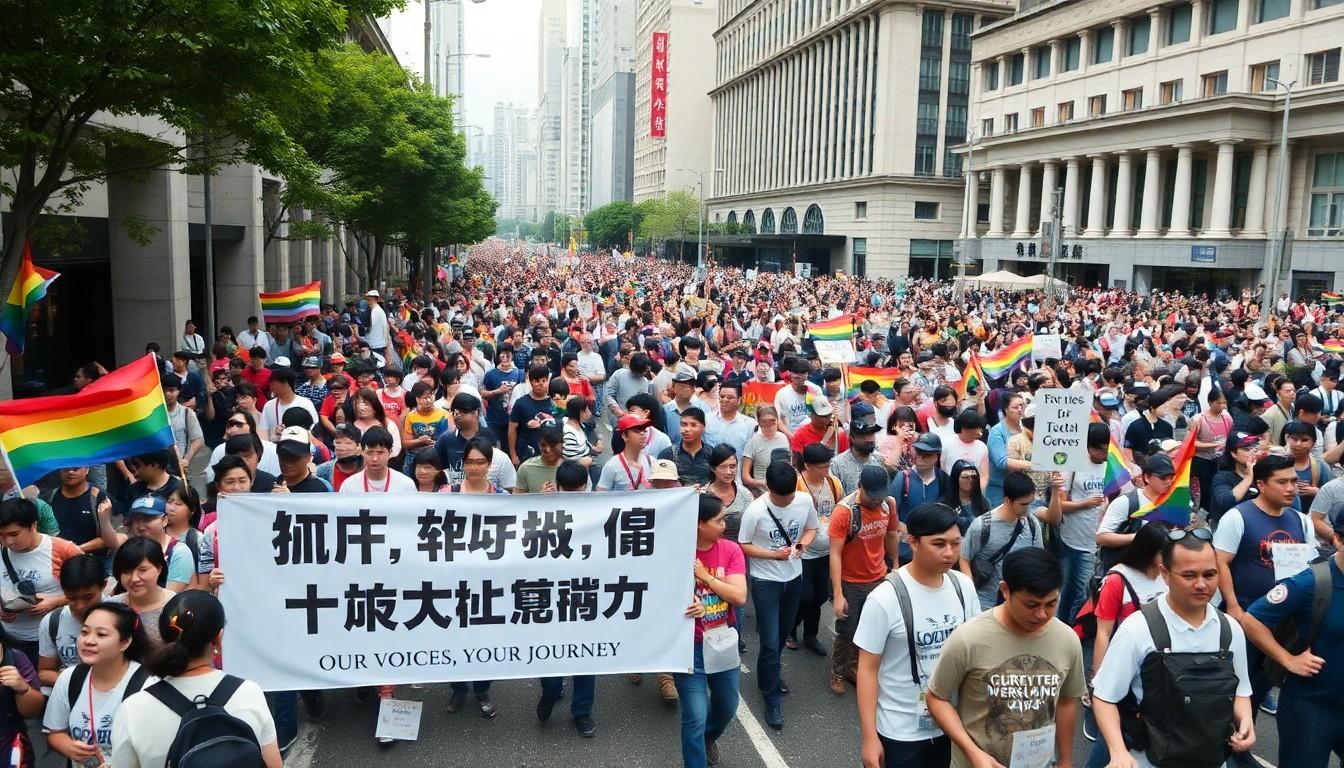
Taipei's Taiwan Pride parade brought more than 170,000 people together under the theme "Our Voices, Our Journey". Alongside rainbow flags and joyful costumes, participants called for understanding and safer treatment of LGBTQ+ people, as recent concerns about a police search of a gay bar gave this year's celebration a sharper edge.
Taiwan Pride brought a crowd and a clear message
The streets of Taipei filled with rainbow colour as more than 170,000 people from Taiwan and abroad joined the annual Pride parade, according to organisers. The event is widely described as East Asia's largest Pride gathering, but this year's message reached beyond celebration: listen to one another, and stand together against discrimination.
The theme, "Our Voices, Our Journey", put personal experience at the heart of the day. There was plenty of exuberance in the costumes and flags, but also a serious point beneath the sparkle: visibility matters most when people can be themselves without fear.
Why this year's parade carried extra weight
Taiwan's president, William Lai, used the occasion to reaffirm the importance of equality, dignity and respect. Taiwan legalised same-sex marriage in 2019, becoming the first place in Asia to do so, but Lai said more work is needed to protect people's everyday security and ensure progress isn't undone.
That concern felt especially immediate after a police search of a Taipei gay bar earlier in October. The Taiwan Rainbow Civil Action Association called for a transparent investigation and clear, binding policing guidelines, while the city government apologised and said it would investigate the incident.
Family stories made the theme personal
For one long-time participant, this year's parade marked a first: joining with his mother after a decade of attending. He said he wanted to show her the journey he'd taken and introduce her to the people who had supported him. It's a quietly powerful image of what the theme asks for: not just speaking, but making space for someone else to understand.
Another participant said the parade offered a rare chance to feel completely free to be himself. He also pointed to the judgement transgender people and people who cross-dress can face elsewhere. The contrast is hard to miss: one day of openness can feel liberating, but it doesn't erase the pressures people encounter the rest of the year.
Taiwan Pride drew visitors and political voices
The crowd included visitors from overseas, including a bisexual woman who travelled from the Netherlands with her aunt. She said she was concerned about growing conservatism at home and hoped her visit would offer lessons for her own country. Pride may be rooted in local lives, but its appeal clearly travels.
Politicians from several parties also joined the event, including Vice President Hsiao Bi-khim. Taipei Mayor Chiang Wan-an arrived near the end and apologised for the impact of the bar search, saying the city would carry out a rigorous investigation and discipline those responsible. Their presence showed how Pride has become part of Taiwan's public conversation, not simply a celebration outside politics.
What the parade asks of people beyond Taipei
The most useful response to the theme isn't complicated: listen without assuming you already know someone's story. For visitors and supporters, that means respecting people's privacy, using the names and pronouns they ask for, and challenging discriminatory behaviour when it's safe to do so.
A parade can make solidarity visible, but public authorities also have a practical responsibility to protect people's rights and privacy. That is why calls for clear policing rules matter alongside the music and celebration. The warmest moments of Pride are often personal; the lasting test is whether that sense of dignity carries into ordinary life.
Taiwan Pride's message is simple: make room for every voice, and keep listening.
Source Reference Map
Story idea inspired by: [1]
Sources by paragraph: