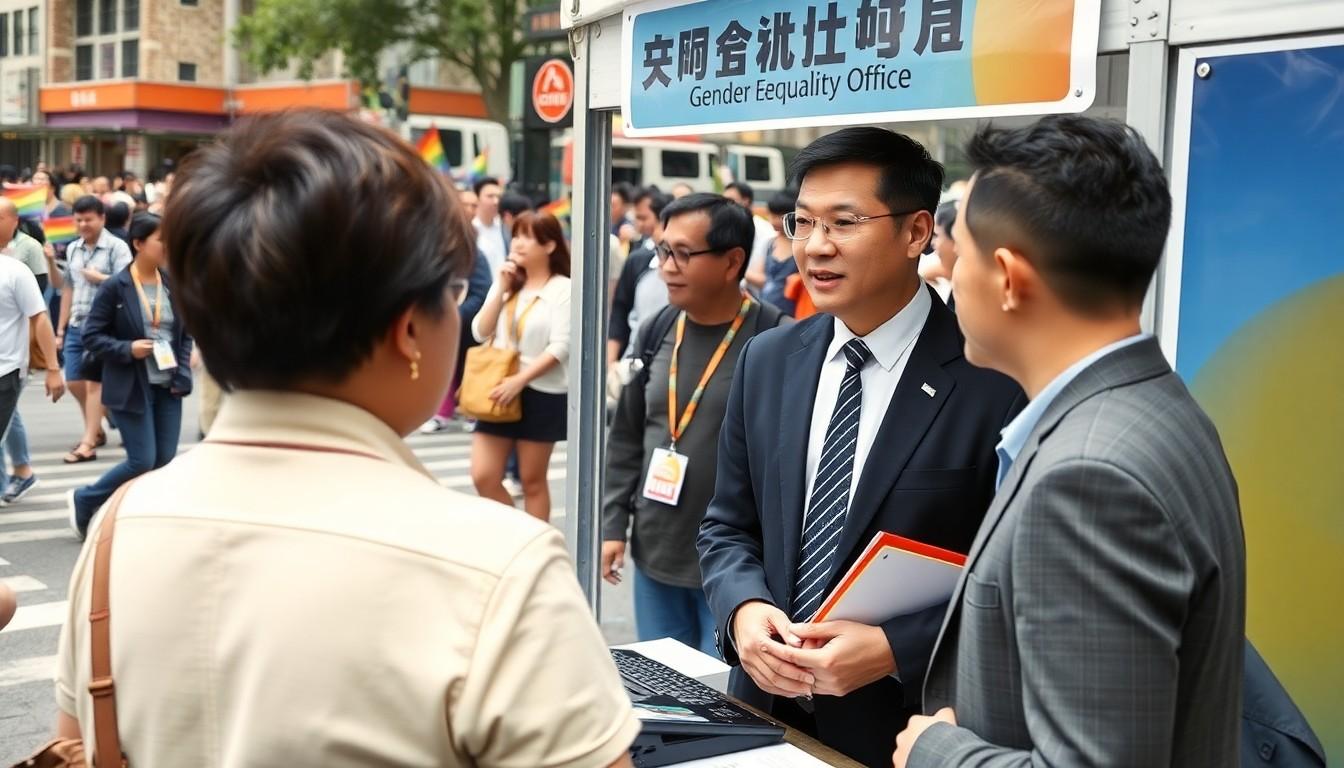
Taiwan's 24th annual Pride parade brought a charged political backdrop to Taipei on 31 October, as Mayor Chiang Wan-an visited a city equality office stall amid protests over a police search of a well-known LGBTQ+ bar. The timing, alongside the city's first televised mayoral debate, put questions about police conduct and LGBTQ+ rights firmly in the spotlight.
Essential Takeaways
- A tense parade day: Taipei's Pride march coincided with the city's first televised mayoral debate.
- A disputed police search: The search of a prominent LGBTQ+ bar had prompted concerns about equality and alleged excessive force.
- The mayor's response: Chiang said he had apologised to those affected and ordered an investigation and disciplinary action over officers' conduct.
- Promises on transparency: He said the city would disclose as much as possible, while respecting the limits of the ongoing judicial process.
Pride parade meets a difficult political moment
The Taiwan Pride parade arrived with the atmosphere already charged. On the same day as Taipei's first televised mayoral debate, a recent police search of a well-known LGBTQ+ bar was fuelling scrutiny over equality, enforcement and the treatment of people at the scene.
After the debate, Democratic Progressive Party candidate Shen Po-yang went to the parade to hand out ribbons. Chiang, the incumbent mayor, visited a stall run by the Taipei City Office for Gender Equality in an official capacity during the afternoon. Protest signs followed him in, and rival supporters shouted competing campaign slogans as he left.
Mayor says officers' conduct is under investigation
Asked about the bar search, Chiang said he had already taken a firm position on what he described as inappropriate conduct by officers. He said he had ordered an immediate investigation and disciplinary action, and apologised to the people affected.
The questions did not stop there. Reporters challenged the police account that people taken from the scene had gone voluntarily, citing video shared by people present that appeared to show them being threatened with handcuffs if they did not go along. Chiang said he had directed the police department to explain its actions and clarify its standards.
What the city says it can make public
Chiang said he wanted the administration to release as much information as possible about its investigation before the judicial process proceeded. He also stressed that disclosure would need to respect protections around an active legal investigation.
That leaves a familiar tension: the public wants a clear account, while officials say some details may be restricted. For people affected by the search, a prompt explanation of what officers were authorised to do could matter as much as a promise of transparency later.
Equality policy faces a real-world test
The mayor's visit was framed around the work of the city's gender equality office, which presented policies developed in recent years. But the protest signs and pointed questions showed how quickly a policy display can become a test of whether those commitments are being felt on the ground.
For LGBTQ+ residents, trust depends not only on stated support for equality but also on how complaints are investigated and communicated. The city's next steps, including what it publishes and how it addresses the police conduct allegations, will be watched closely.
A short walk that captured the day's mood
The competing chants turned Chiang's departure into a slow, tense scene: a route of less than 100 metres reportedly took around five minutes. It was a small stretch of pavement, but it carried the day's larger argument about politics, policing and who feels heard.
Pride is a celebration, but it can also make public accountability impossible to ignore. For Taipei, the important measure now will be whether the investigation produces clear answers.
A transparent account could be the first step towards rebuilding trust.
Source Reference Map
Story idea inspired by: [1]
Sources by paragraph: