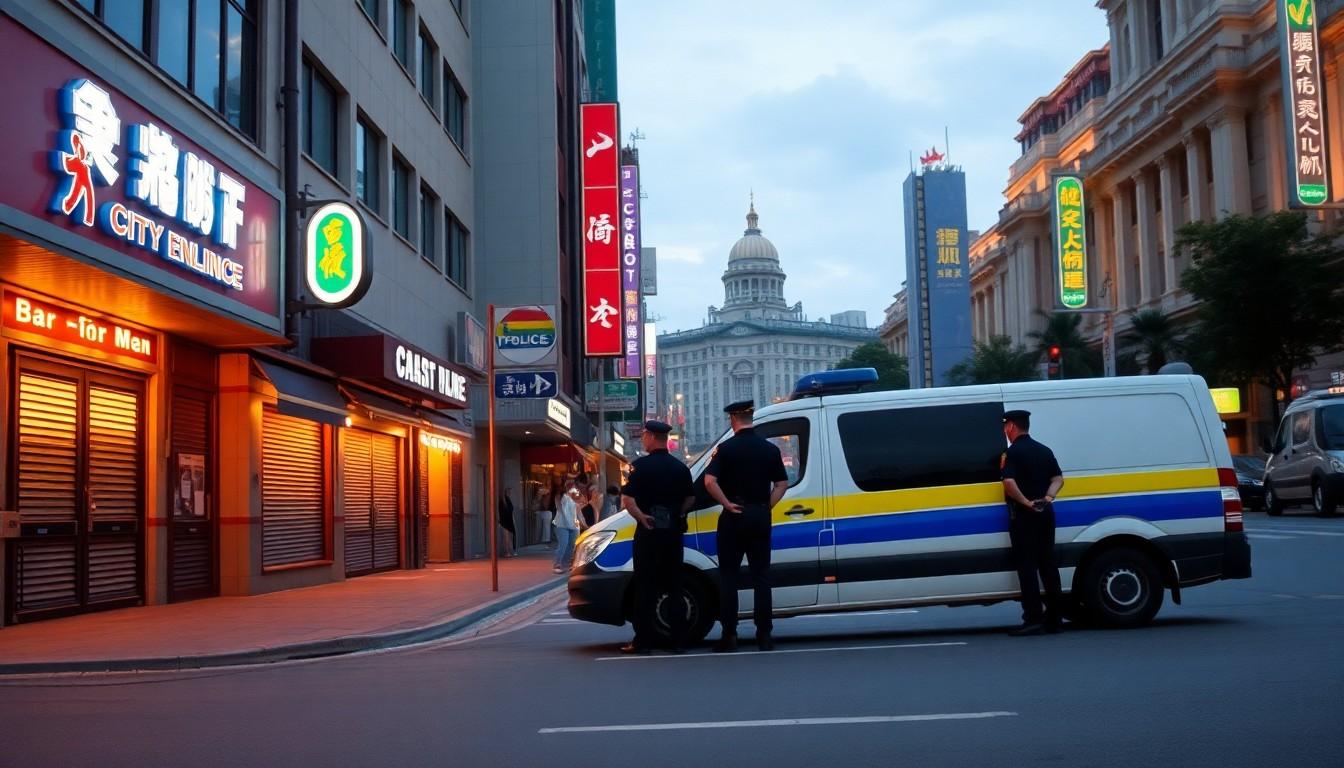
Taiwan's 2026 Pride parade brought more than 100,000 people onto Taipei's streets, celebrating a hard-won place for LGBTQ+ visibility while raising fresh concerns about equality. Activist Chi Chia-wei welcomed Taiwan's landmark same-sex marriage law, but warned that legal gender recognition without surgery remains unresolved and a police search of a gay bar is a reminder that progress can't be taken for granted.
Taiwan Pride fills Taipei's streets, but concerns remain
Colour, banners and a jubilant crowd marked Taiwan's 24th LGBTQ+ Pride parade in Taipei. But for veteran activist Chi Chia-wei, the march was both a celebration and a prompt to keep watch.
Taiwan became the first place in Asia to legalise same-sex marriage in 2019. Chi said that achievement matters, while pointing to another issue campaigners say remains unsettled: changing the gender marker on official documents without undergoing surgery. (Focus Taiwan; Taiwan Pride)
The next equality milestone is legal gender recognition
The debate over legal gender recognition highlights how progress can arrive unevenly. Marriage equality changed the law for same-sex couples, but it doesn't resolve every question about how transgender people are recognised in official records.
For people affected, the issue is practical as well as symbolic: identity documents shape everyday encounters with public services and institutions. Taiwan's gender equality agency outlines the government's wider equality framework, while reporting on Pride has kept the outstanding policy question in view. (Executive Yuan Gender Equality Committee; Focus Taiwan)
Why the gay-bar search raised alarm
A police search of a Taipei gay bar earlier in October prompted concerns about discrimination and pressure on LGBTQ+ spaces. Chi described it as a warning against complacency, not proof that Taiwan's broader gains have disappeared.
The episode landed in a politically sensitive year and drew scrutiny of how authorities handle LGBTQ+ venues. Taipei's mayor defended the city's inclusivity after the search prompted protests, while international reporting connected the incident to a wider debate about civil rights and public trust. (The Guardian; The Straits Times)
Pride is a celebration, and a reminder to stay alert
Chi pointed to a stark contrast between Taiwan's large public march and a crackdown in Türkiye, where Human Rights Watch reported arrests targeting LGBTQ+ people and groups. The comparison underlines how quickly the room for public expression can narrow when governments turn against minority communities.
Taiwan's Pride turnout is a powerful sign of visibility, but a crowd can't substitute for legal protections. That may be the quiet message behind the celebration: rights are strongest when they're supported by clear rules as well as public support. (Human Rights Watch; Taiwan Pride)
What the debate means for LGBTQ+ rights in Taiwan
For parade-goers, Pride can be joyful, communal and wonderfully ordinary: a day to walk openly with friends, partners and chosen family. Yet the issues raised this year show why campaigners treat visibility as part of a longer effort, rather than the finish line.
The practical takeaway is to follow developments on gender recognition and the response to the bar search, particularly where official policy is concerned. Taiwan has made a regional landmark, but Chi's warning is a reminder that progress needs attention to endure. (Focus Taiwan; The Guardian; Executive Yuan Gender Equality Committee)
Pride is worth celebrating, and so is the steady work of protecting the rights it represents.
Source Reference Map
Story idea inspired by: [1]
Sources by paragraph: