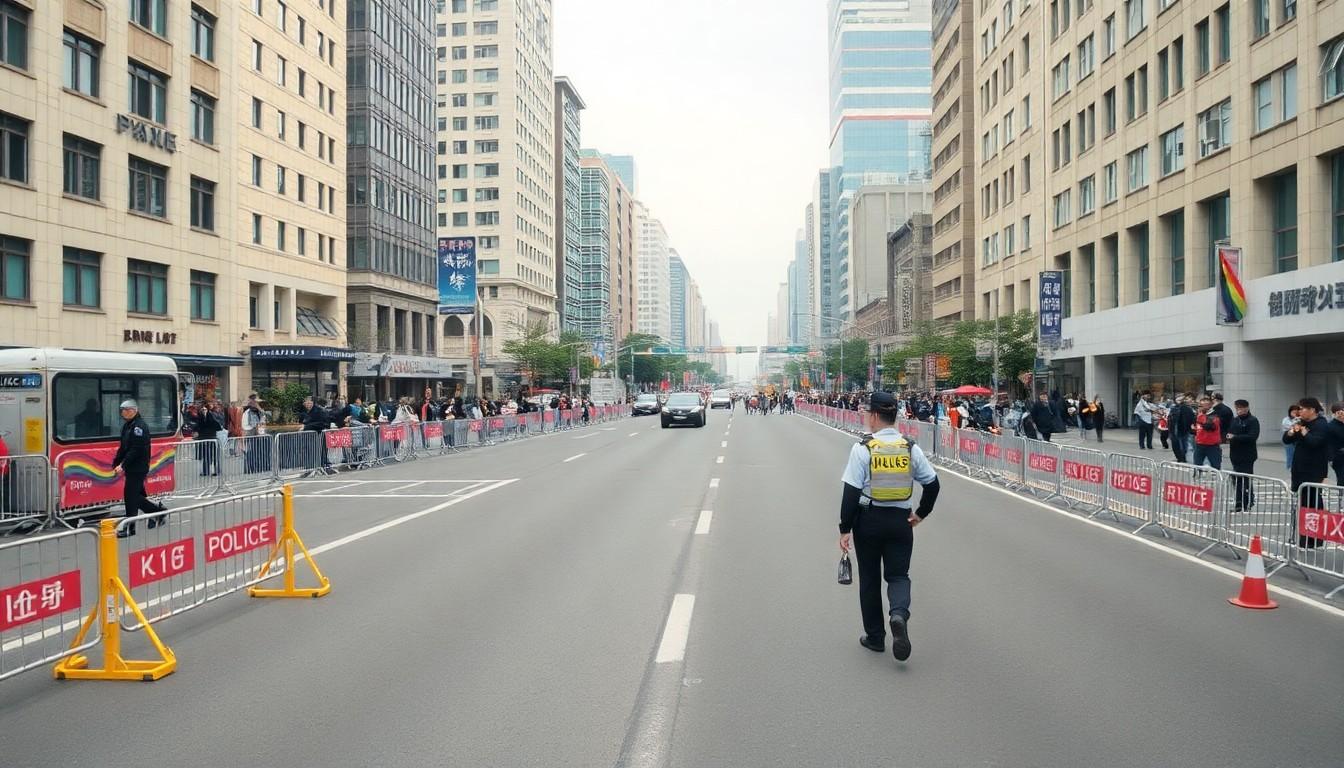
Crowds are preparing to take to the streets for Taiwan Pride in Taipei, where Mayor Chiang Wan-an says he’ll attend as usual despite a dispute over police conduct at a gay bar. The row has sharpened questions about LGBTQ+ safety and public trust, making this year’s march feel especially charged.
Essential takeaways
- The march is under way: The 24th Taiwan LGBT+ Pride event is taking place in Taipei.
- This year’s theme: Organisers chose “Together, make our voices heard; together, walk the road”.
- The controversy: A police search of a gay bar earlier in October prompted criticism over officers’ conduct.
- The mayor’s response: Chiang says he’ll join the march and has ordered an investigation, disciplinary action and a review of police procedures.
Taipei Pride arrives amid a row over police conduct
Taipei Pride has a celebratory side, but this year’s march is also unfolding against a tense backdrop. A police search of a gay bar earlier this month stirred controversy, with concerns about how officers behaved and what the incident means for LGBTQ+ spaces.
Organisers say the issue has drawn attention both in Taiwan and internationally. Their theme, “Together, make our voices heard; together, walk the road”, puts solidarity and visibility at the centre of the day.
Chiang says he’ll attend as usual
Mayor Chiang Wan-an said he would take part in the march as he has in previous years, and described his support as firm. He also said he would listen to people’s views, a message that may matter as much as his appearance in the parade.
On the bar-search case, Chiang said he had called for an investigation and disciplinary measures over what he described as inappropriate conduct by police officers. He added that the city government would review what happened and make improvements.
Why the bar search has become a political issue
The dispute has reached beyond questions about policing. Taiwanese host Kevin Tsai said the search was one reason he attended the campaign headquarters launch for Democratic Progressive Party Taipei mayoral candidate Shen Po-yang, bringing the incident into the city’s election conversation.
That crossover is a reminder that public trust can shape how political gestures are received. Turning up at Pride signals support, but people affected by the controversy may also look for clear accountability and changes in practice.
What to watch for at this year’s march
The most telling measure may be whether marchers feel able to express anger and concern alongside celebration. Pride is often joyful and colourful, but it also offers a visible space for communities to speak about safety, dignity and equal treatment.
For city officials, the practical test comes after the speeches and banners: whether the investigation is credible, whether responsibility is addressed, and whether police procedures change where needed. A firm statement is a start; follow-through is what builds confidence.
A day of celebration, with questions still open
Chiang’s decision to attend keeps his stated support visible, while the bar-search controversy leaves difficult questions on the table. For marchers, both can be true at once: Pride can feel uplifting, and the demand for accountability can remain urgent.
Source Reference Map
Story idea inspired by: [1]
Sources by paragraph: