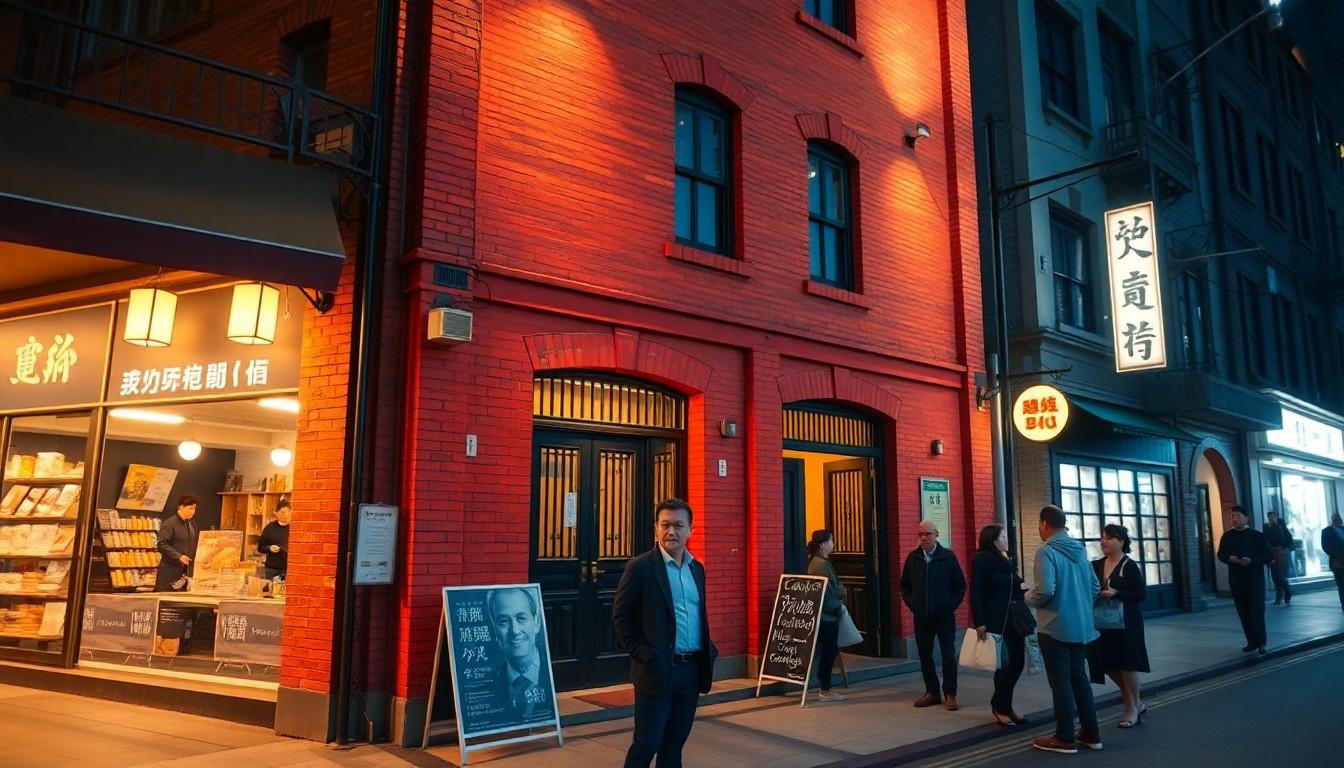
After a packed day on the campaign trail, Taipei mayoral candidate Puma Shen made a late-night visit to Ximen Red House to talk with local businesses and residents about LGBTQ+ rights and the rainbow economy. The stop drew warm welcomes and online admiration, putting a spotlight on how community issues are featuring in the city’s 2026 election campaign.
A long campaign day ended with a visit to Ximen
Shen’s day was already full before he arrived at Ximen Red House. On 31 October, he took part in a televised election debate, attended Taipei’s Pride parade and continued with campaign events, including a rally in the Zhongzheng and Wanhua districts.
Then, after wrapping up the evening event at around 10pm, he headed to the Red House. The late stop brought him face to face with traders and members of the public, with conversation focused on LGBTQ+ rights, local queer culture and the area’s rainbow economy. [2], [3]
What did Shen discuss with local businesses?
According to reports from the campaign and local coverage, Shen listened as businesses introduced him to the Red House’s development, LGBTQ+ culture and international connections. The visit was also an opportunity to hear directly from people working in and around the district.
The setting matters: Ximen is a busy commercial neighbourhood as well as a well-known gathering place for LGBTQ+ communities. Connecting rights with local businesses gives the conversation a practical dimension, too, from the visibility of queer culture to the livelihoods supported by visitors and events. [4], [5]
The late-night visit caught people’s attention
Taipei city councillor candidate Chang Ming-yu shared details of the visit on Threads, saying the group received a warm welcome. His post described Shen listening closely to business owners and learning about the district’s culture and history.
The timing prompted plenty of comments online. Some users marvelled at the length of Shen’s day, while others urged him to rest before the next round of campaigning. It’s an understandable reaction: election schedules can be relentless, but a late visit also signals which communities a candidate is choosing to meet. [3], [6]
Why the rainbow economy is part of the campaign
The phrase “rainbow economy” links LGBTQ+ visibility and rights with the businesses, cultural venues and visitors that help shape neighbourhood life. For a city candidate, that makes the issue both social and local: it touches questions of inclusion, public space and how districts welcome residents and visitors alike.
Still, a campaign appearance is a conversation, not a policy plan. Voters looking for substance will want to see how candidates turn these encounters into clear proposals, and whether those plans address the needs of LGBTQ+ residents as well as local traders. [4], [7]
What to watch as Taipei’s election approaches
The visit offers a snapshot of campaign life, where public debates, street events and community conversations can run late into the night. It also shows how candidates are making room for neighbourhood concerns alongside headline political issues.
For voters, the useful next step is to compare candidates’ stated policies with what they hear from communities on the ground. A warm welcome makes a striking campaign moment; lasting change depends on what follows. [2], [5]
A late-night visit can start a conversation, but voters will be watching for the plans that carry it forward.
Source Reference Map
Story idea inspired by: [1]
Sources by paragraph: