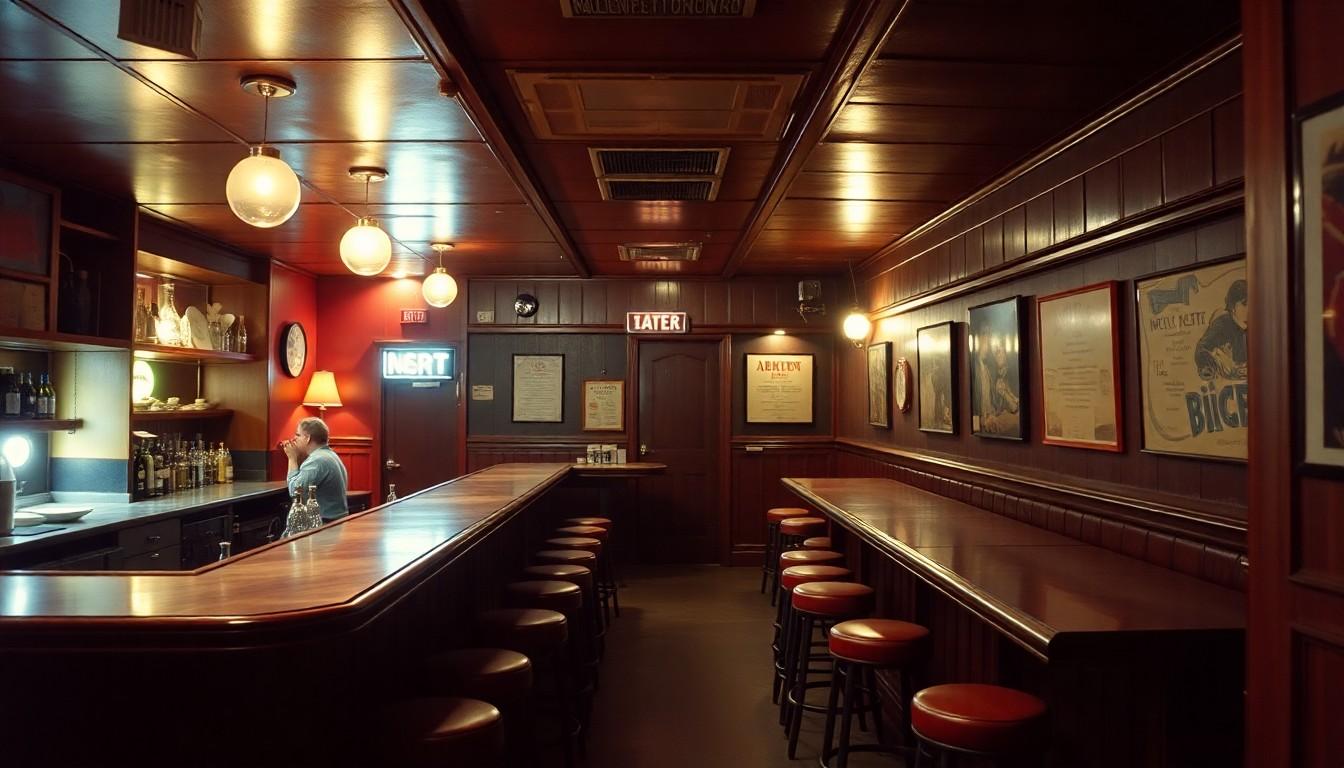
A new digital model lets anyone explore the Stonewall Inn as it looked in 1969, from its divided rooms to the sign above the entrance. Created by the NYC LGBTQ Historic Sites Project and Making Gay History, the free online experience offers a vivid way to connect with the New York bar at the centre of a pivotal moment in LGBTQ history. [2], [3]
Essential takeaways
- A detailed reconstruction: The model draws on historic research and presents the bar’s 1969 layout, rather than its present-day interior. [2], [4]
- Two distinct spaces: The ground floor was divided into left and right areas, with controlled entry points between them. [2], [4]
- More than a bar tour: Online viewpoints include the interior, the street and the area near Christopher Park. [2], [3]
- Easy to explore: The digital experience is designed to be viewed on a phone or computer with an internet connection. [2], [5]
Step inside Stonewall as it was in 1969
The Stonewall Inn’s familiar red-brick exterior may still evoke the past, but the rooms inside have changed substantially. The new 3D model brings back a more fragmented layout, with two ground-floor areas separated by a wall and entry points that controlled movement between them. [2], [3], [4]
On the left, the 1969 space had an open floor, several seats and a small bar tucked at the back. The larger main bar was on the right, a striking contrast with today’s more open ground floor. It’s the sort of detail that turns a name on a history plaque into somewhere you can begin to picture. [2], [3], [4]
How researchers rebuilt the historic Stonewall Inn
The NYC LGBTQ Historic Sites Project and Making Gay History brought together archival floor plans, photographs and oral histories to recreate the interior using ArcGIS technology. The site had occupied 51 and 53 Christopher Street, and the visitor centre next door was also once part of the bar. [2], [3], [4]
That mix of evidence matters because little of the original interior remains. Historic preservation records document the site’s importance, while the new model offers a visual companion to the memories and research that help explain what it looked like before and during the 1969 Stonewall Uprising. [2], [4], [5]
Explore the entrance, rooms and surrounding streets
The model isn’t limited to a single walk-through view. It includes perspectives on the interior, the street layout and the area outside the bar near Christopher Park, giving visitors a sense of how the building sits within its surroundings. [2], [3], [5]
There’s also a small but telling change above the doorway. The 1969 exterior included a large sign describing the Stonewall Inn as a restaurant, while the brick facade itself has retained much of its earlier appearance. That contrast makes the model useful not just for exploring the rooms, but for noticing how a place’s public image can shift over time. [2], [3], [4]
Why this digital archive matters now
Stonewall is part of the Stonewall National Monument, a site recognised by the National Park Service for its central place in LGBTQ history. Its story is also bound up with ongoing debates about how historic places are presented and whose experiences are included in public interpretation. [3], [6]
The digital model offers one practical way to keep the bar’s past accessible: anyone with an internet connection can explore it, without needing to travel to New York. And because it pairs visual detail with historic research and first-person accounts, it makes a powerful point gently: preserving history isn’t only about saving a building, but also about helping people understand what happened inside it. [2], [5], [6], [7]
Explore the model at your own pace, and take a closer look at the history behind the rooms. [2]
Source Reference Map
Story idea inspired by: [1]
Sources by paragraph: