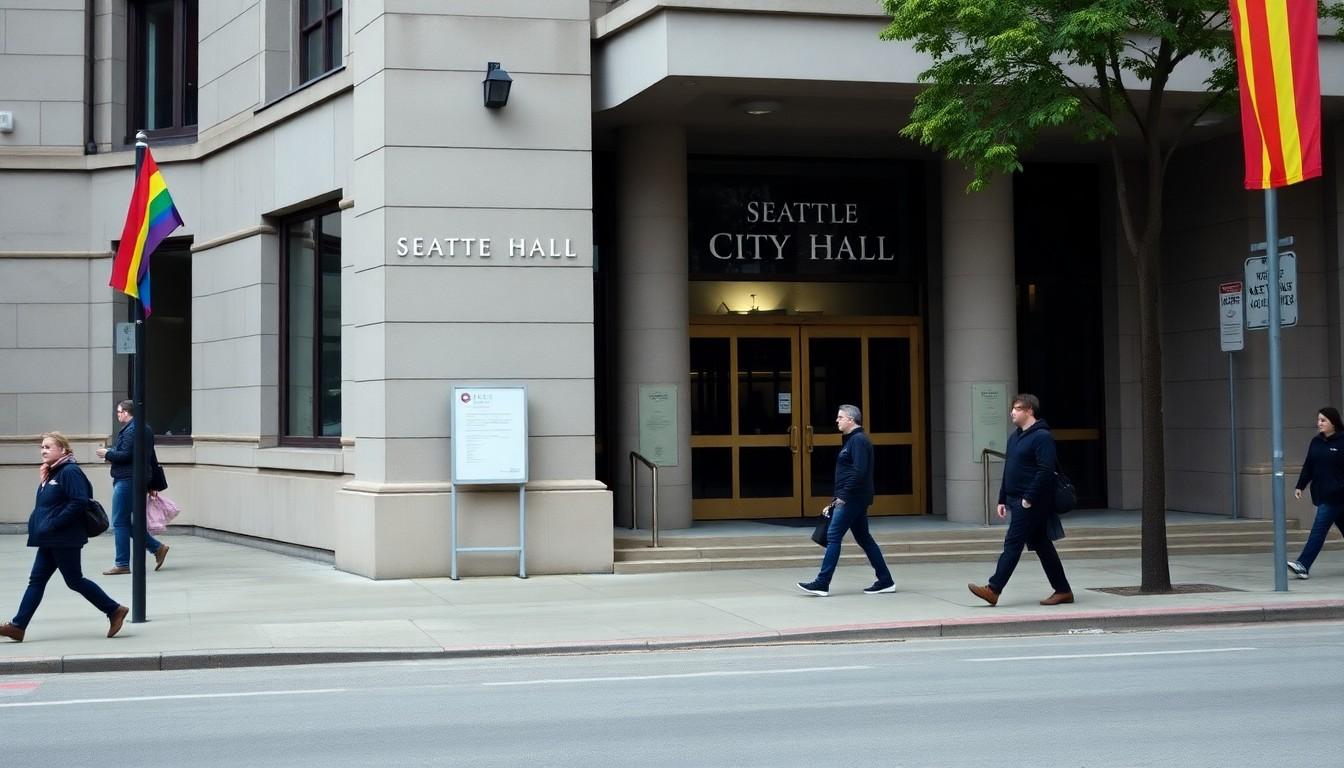
Seattle is expanding its civil rights protections to include people in polyamorous relationships, as well as people who are pansexual or asexual. The city council’s move recognises a wider range of identities and family structures under local law, with the changes due to take effect in June 2027. Here’s what the legislation covers, and why it matters.
Seattle widens its definition of sexual orientation
The Seattle City Council has amended the city code’s definition of sexual orientation. It previously named heterosexuality, bisexuality and homosexuality; the expanded definition also includes polyamory, pansexuality and asexuality. The legislation is scheduled to take effect in June 2027. (KUOW; KNKX)
The bill was sponsored by council member Alexis Mercedes Rinck. It also adds language addressing consensual non-monogamous relationships, bringing relationship structures as well as sexual orientations into the city’s protections. (Seattle City Council; KUOW)
Who the legislation is designed to protect
The legislation defines pansexuality as the potential for attraction to people regardless of gender identity. It describes asexuality as not experiencing sexual attraction, while allowing that someone may experience romantic attraction or form significant connections. (Seattle City Council)
Polyamory refers to consensual relationships involving more than two partners. The change also recognises that families can include multi-partner or multi-parent households, co-parents, stepfamilies and other arrangements beyond the traditional two-parent model. (KNKX; The Guardian)
What the change means in everyday life
Seattle’s measure is aimed at discrimination in areas covered by local civil rights law, including housing and employment. That matters because people in consensually non-monogamous relationships can face unfair treatment linked to their family or relationship structure, even when all involved have agreed to it. (Axios; The Guardian)
The council’s action doesn’t make every relationship arrangement automatically immune from legal scrutiny. Rather, it explicitly recognises these identities and relationships within the city’s anti-discrimination framework, giving people clearer grounds to seek protection when they believe they’ve been treated unfairly. (Seattle City Council; KUOW)
A broader view of what counts as family
Rinck has argued that legal protections should reflect the variety of families and chosen families in the city. In remarks reported by the Seattle legislation coverage, she said, “Chosen family is family.” (Seattle City Council; KNKX)
That message reaches beyond polyamorous households. It also acknowledges single parents, multi-generational homes, consensually non-monogamous relationships, and asexual or aromantic relationships as part of the lived reality lawmakers should consider. (KUOW; The Guardian)
When the protections take effect
The expanded protections are due to begin in June 2027, so the change isn’t immediate. Residents who want the precise wording and legal scope can consult the city council’s legislation record, while local civil rights organisations may be able to explain how the rules apply to specific situations. (Seattle City Council; Capitol Hill Seattle)
For now, the measure signals a clear shift in how Seattle’s local code describes sexual orientation and family life. It’s a practical legal change, but also a recognition that one narrow picture of a household doesn’t fit everyone. (KNKX; Axios)
Seattle’s new protections put a wider range of identities and families on the city’s legal map.
Source Reference Map
Story idea inspired by: [1]
Sources by paragraph: