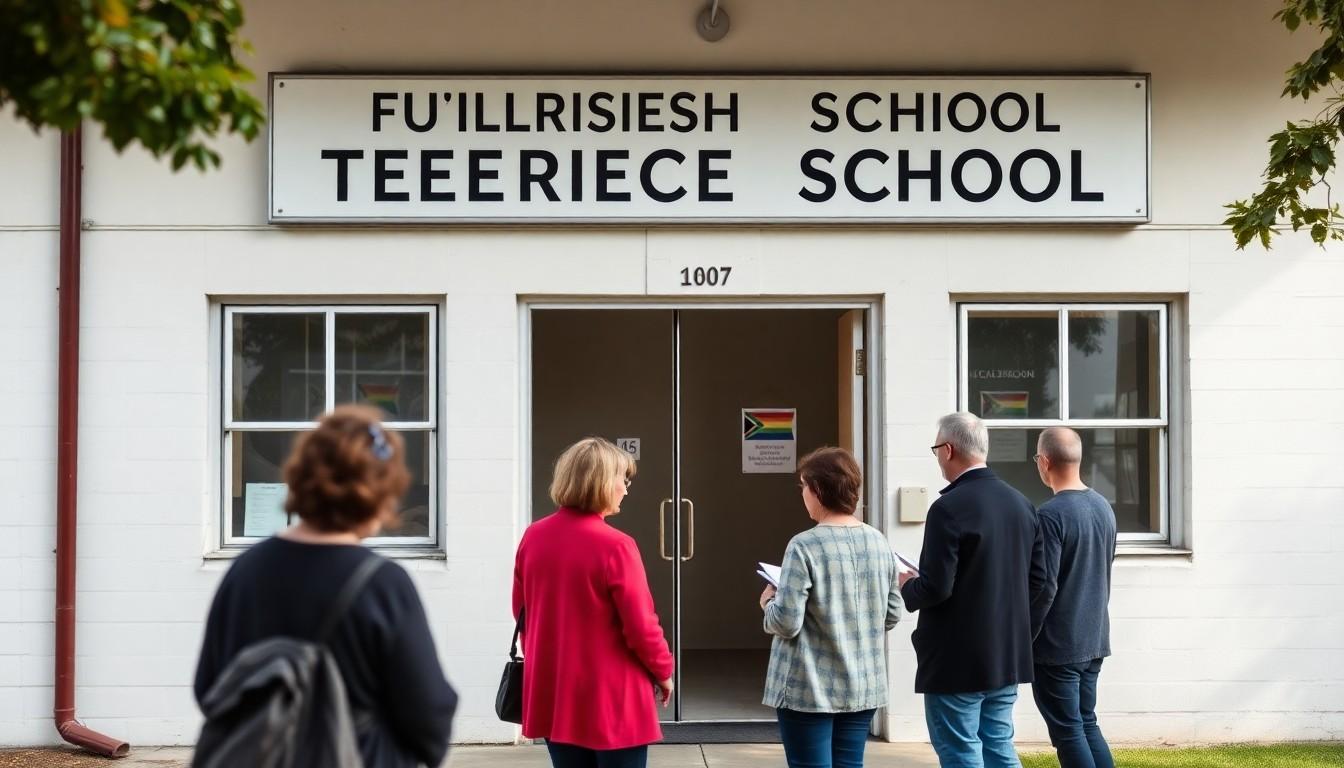
Advocates in Australia are urging Prime Minister Anthony Albanese to strengthen protections against discrimination in religious schools. Their appeal, backed by women’s organisations, legal experts and LGBTQ+ groups, comes as independent MP Allegra Spender pushes a bill to narrow exemptions that can affect staff and students. The debate centres on a difficult balance: protecting people from discrimination while preserving schools’ religious character.
Advocates say private lives shouldn’t cost people their jobs
Women’s organisations and LGBTQ+ advocates have called on the Australian government to end federal exemptions that allow religious schools to discriminate in some circumstances. The concern is practical as well as legal: a teacher’s pregnancy, relationship status or decision to pursue IVF could affect their work and career.
The open letter also highlights the risk to people who become single after leaving an abusive relationship. For advocates, the issue is whether someone’s private life should determine their livelihood, rather than their professional ability. [3], [4]
What Allegra Spender’s bill would change
Independent MP Allegra Spender introduced the Sex Discrimination and Fair Work Amendment (Equality in Treatment in Religious Schools) Bill in the House of Representatives on 12 October. It proposes removing protections that currently permit discriminatory treatment in religious schools on grounds including sexuality, gender identity, pregnancy and marital status. [3], [7]
The proposal would still allow religious schools to appoint people of faith, choose leaders on religious grounds and teach their beliefs. That distinction matters: the bill aims to limit discrimination against staff and students without requiring schools to abandon their religious identity. [5], [7]
The debate reaches beyond employment
The advocates’ case includes the experiences of LGBTQ+ students, not just workplace protections. Equality Australia has highlighted former student James Elliot-Watson, who said he was denied a chance to become a prefect after coming out as gay and was referred to counselling intended to change his sexuality. [2], [3]
Those accounts give the policy argument a human scale. A legislative exemption can sound abstract on paper, but its effects may shape a student’s school experience or a worker’s future prospects. [3], [6]
A difficult balance for religious schools
Religious freedom and equal treatment are both central to the debate. Advocates argue that schools should be able to maintain their faith-based teaching and appoint people to religious leadership roles, while still being prevented from penalising people over personal characteristics unrelated to their work or studies. [4], [5]
That balance is why the bill’s details matter. Anyone following the proposal should look at which exemptions it would remove, which religious functions remain protected and how the changes would apply to both staff and students. [5], [7]
What happens next?
Equality Australia has urged Labor to back the legislation, pointing to the government’s stated commitment to address discrimination in religious schools. The call now puts pressure on parliament to consider whether existing exemptions are too broad, and what safeguards would provide fair treatment without erasing religious practice. [2], [3]
For students and staff, the outcome could affect whether school rules leave room for personal circumstances or make them a condition of belonging. The discussion is no longer just about legal wording; it’s about who gets to learn and work without fear of being pushed aside. [3], [6]
It's worth watching how parliament handles the balance between religious identity and equal protection.
Source Reference Map
Story idea inspired by: [1]
Sources by paragraph: