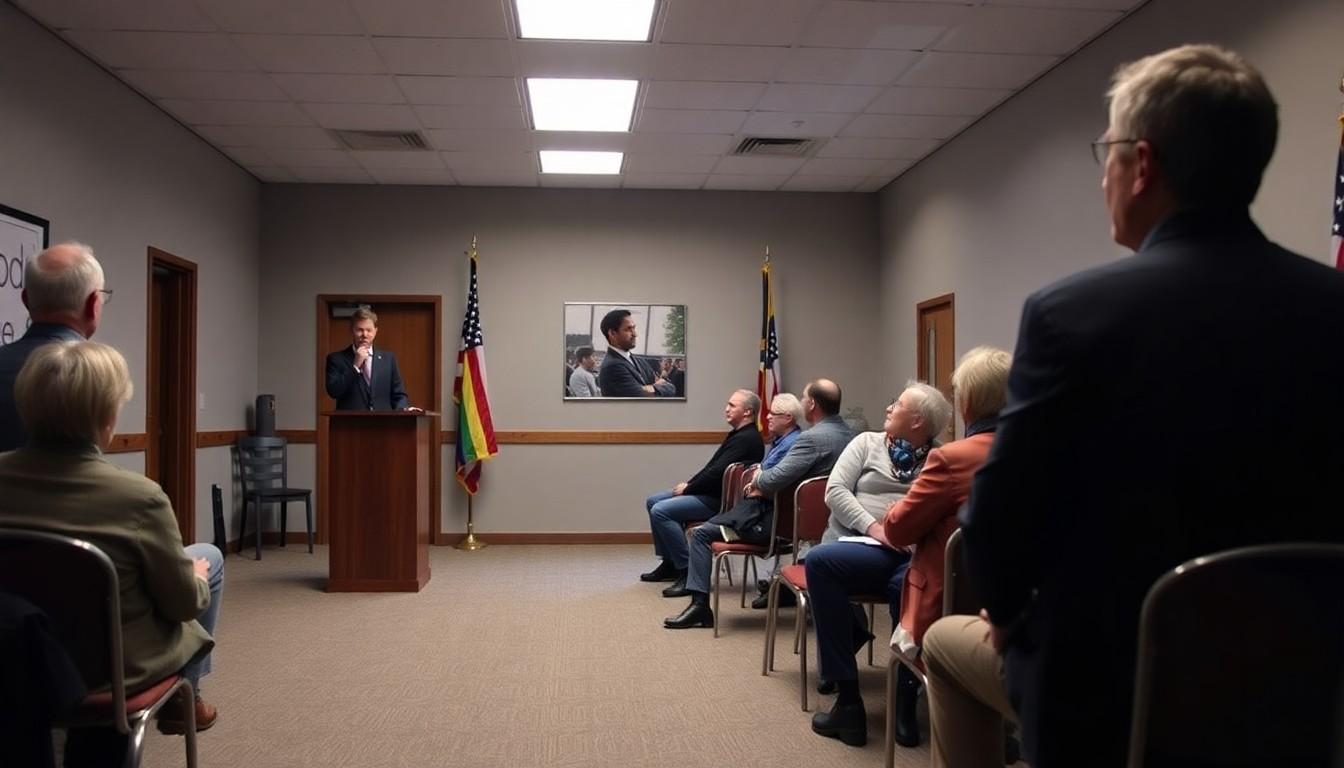
A Democratic candidate in a politically conservative state is drawing praise for refusing to take the bait on an anti-trans question. His brief reply has become a welcome reminder that political conversations about trans rights needn’t be driven by outrage, and that voters may respond to clarity more than confrontation.
A short answer cuts through the noise
The candidate’s response to a question about trans rights was striking for its simplicity: he thanked the person who raised it and moved on. The moment, reported by LGBTQ Nation, attracted praise online for not turning an attempt to provoke into a headline-grabbing argument.
That restraint matters in a debate often designed to make trans people’s lives feel like political talking points. A calm response can keep attention on the candidate’s priorities rather than rewarding a question framed to inflame.
Why the exchange resonated
The response landed amid wider coverage of LGBTQ+ stories, from trans actress Hunter Schafer talking about the “magical thing about queerness” while promoting a major role, to Brazilian President Luiz Inacio Lula da Silva celebrating an election victory alongside a trans lawmaker. Together, the stories offer a different view of public life: one in which queer people are visible not only in political disputes, but in culture and civic leadership.
There’s also a practical lesson for anyone facing a loaded question. A direct, measured answer can signal confidence without making the exchange more hostile. It won’t settle a policy debate on its own, but it may stop a provocation from setting the whole agenda.
A wider picture of LGBTQ+ public life
Other stories in the roundup put the political moment in a longer historical and legal context. LGBTQ Nation reported on the deportation of John Kyper, which became a milestone in the fight for gay liberation, and on a court decision allowing gender-affirming care and social accommodations for trans prisoners to continue while a lawsuit proceeds.
Those accounts underline that progress rarely comes from one viral moment. It’s built through public visibility, legal challenges and people making space for one another, often in quieter ways than a campaign clip can capture.
The value of refusing the bait
The candidate’s answer won’t satisfy everyone, and a tidy exchange can’t replace detailed discussion of policy. Still, there’s something refreshing about refusing to let anti-trans rhetoric dictate the terms of a conversation.
For voters, it’s a reminder to look beyond the clip: what does a candidate support, and how do they treat the people affected? A composed answer is a start. The follow-through is what counts.
It's a small but useful reminder that how politicians answer matters, too.
Source Reference Map
Story idea inspired by: [1]
Sources by paragraph: