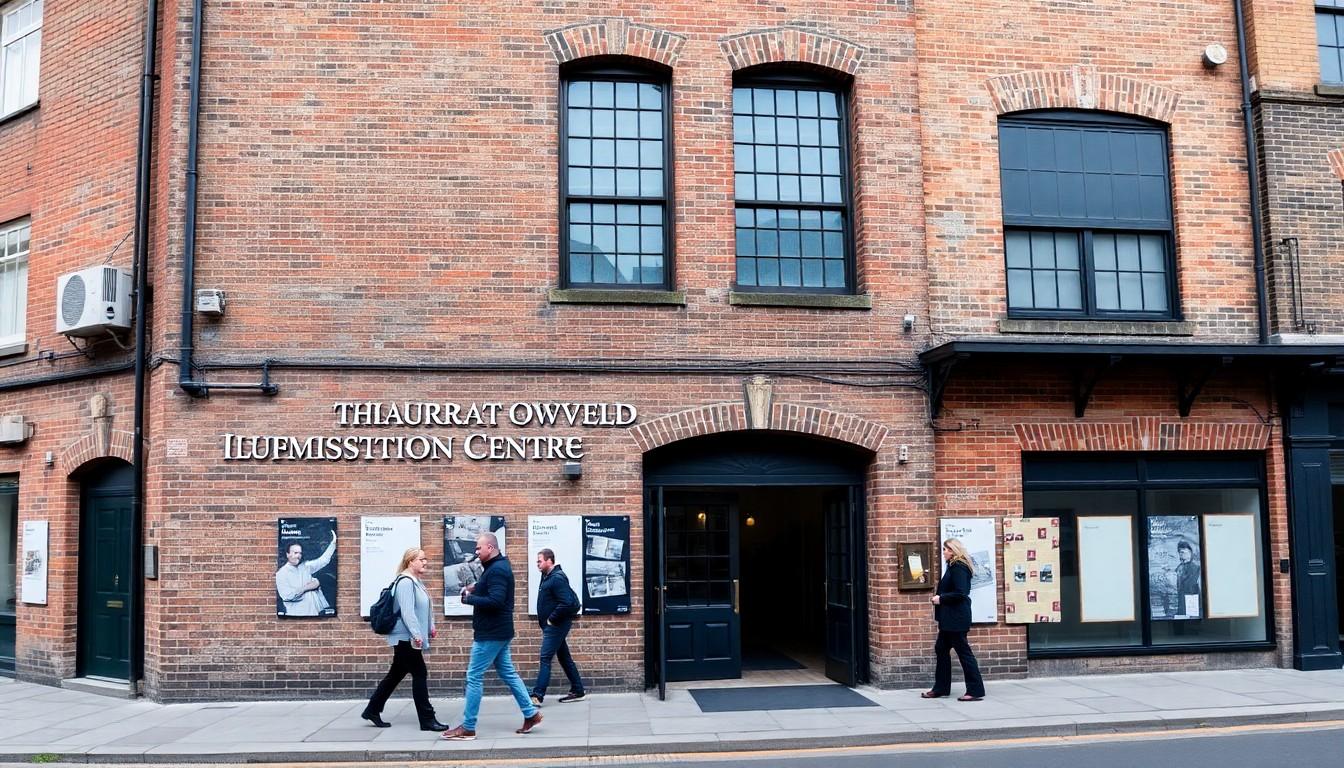
Visitors to the Quentin Blake Centre for Illustration in London can explore Queer as Comics, a thoughtful exhibition tracing LGBTQIA+ perspectives across comics, cartoons, graphic novels and zines. Arranged from the 1940s to today, it pairs original artwork with published books to browse, making the show feel less like a display behind glass and more like an invitation to read.
A comics exhibition with room to browse
One of the show’s most appealing touches is also one of its simplest: visitors can look at original art, then pick up published books and turn the pages. There’s a comic giveaway, too, giving the exhibition a welcoming, hands-on feel rather than the hush of a gallery where everything seems out of reach. (Quentin Blake Centre for Illustration; It’s Nice That)
That approach suits a medium built to be read, not just admired on a wall. The exhibition brings together comics, cartoons, graphic novels and zines by queer artists, putting LGBTQIA+ characters and perspectives at the centre of the story. (Quentin Blake Centre for Illustration; Comics Beat)
From the 1940s to queer comics today
The exhibition moves chronologically, beginning in the 1940s and continuing into the present. Its sections include “Discretion and Daring”, “Up From Underground”, “Expanding Expression” and “Queer and Now”, tracing changing ways of depicting queer lives and identities. (Quentin Blake Centre for Illustration; Comics Beat)
The displays are designed to feel calm and accessible, rather than confrontational. That choice gives visitors space to take in the work at their own pace, while the timeline makes clear that queer comics have a history as well as a lively present. (Comics Beat; It’s Nice That)
Why the venue matters
The Quentin Blake Centre for Illustration is based in a restored former pump house in Clerkenwell. The centre’s wider purpose is to give illustration a more prominent place in the cultural conversation, with a collection of more than 50,000 illustrations by Quentin Blake, best known for his work with Roald Dahl. (Visit London; Comics Beat)
Curator and comics writer Paul Gravett has described the medium as globally rich and still evolving. His point feels especially apt here: the exhibition treats comics not as a niche format, but as an art form capable of changing with the people who make and read it. (Comics Beat; It’s Nice That)
A show with ambitions beyond London
Gravett sees the exhibition as a starting point, with potential to grow, travel and include work from more countries. He has also expressed hope that it could develop into a book, extending the conversation beyond the gallery. (Comics Beat; Quentin Blake Centre for Illustration)
For visitors, the exhibition’s mix of original artwork and readable publications offers a useful way in, whether they already collect graphic novels or are simply curious. And if the show does travel, its quiet, open approach could help introduce queer comics to an even wider audience. (Comics Beat; DownTheTubes)
What to know before you go
The exhibition is at the Quentin Blake Centre for Illustration in Clerkenwell. Check the centre’s official exhibition page for current opening dates, ticket information and any related events before setting off. (Quentin Blake Centre for Illustration; DownTheTubes)
The centre’s next exhibition is planned to focus on Tove Jansson, creator of the Moomins, and her work as an illustrator. It’s a reminder that illustration can hold whole worlds, whether they arrive in a comic panel or a much-loved children’s book. (London x London; Visit London)
Queer as Comics makes a compelling case for reading illustration as well as looking at it.
Source Reference Map
Story idea inspired by: [1]
Sources by paragraph: