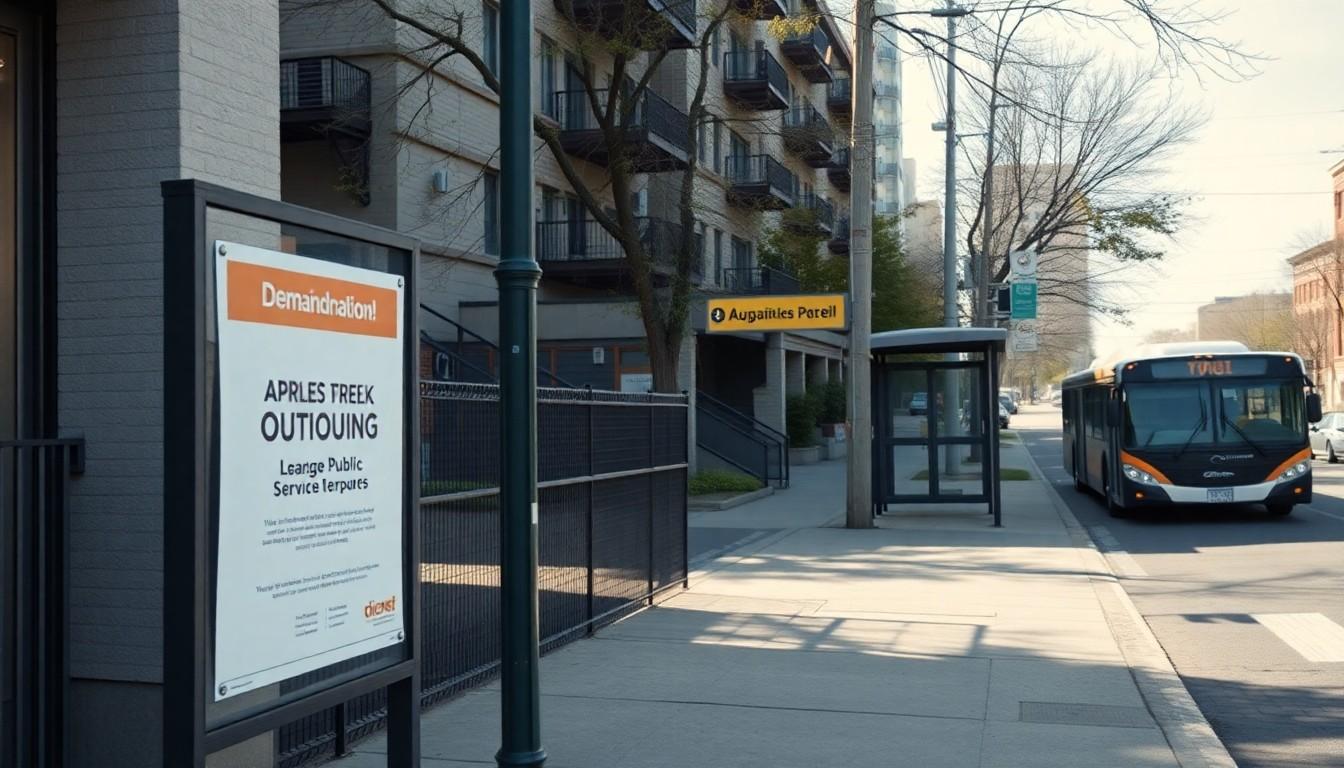
A Quebec LGBTQ+ election campaign is asking voters to look beyond polarising culture-war debates and towards pressures that shape daily life. Created by the Conseil québécois LGBT and Publicis Montréal, the work moves from LGBTQ+ issues to housing, homelessness and the cost of living, arguing these concerns affect everyone, including LGBTQ+ people.
The campaign starts with one debate and ends with another
The ads deliberately open on LGBTQ+ subjects, then turn towards housing, homelessness and the cost of living. It’s a neat creative pivot: rather than accepting the idea that LGBTQ+ communities are the problem, the campaign points to the practical challenges many Quebecers are already facing. (Grenier aux nouvelles; Conseil québécois LGBT)
Its French tagline translates as “The problem isn’t LGBTQ+ communities”, followed by “Let’s put the debates back where they belong”. That message ran across street posters, print and outdoor advertising, an online video and two radio spots, including one focused on homelessness and another on Quebec’s regions. (Conseil québécois LGBT; LBB)
Why housing and public services are part of the message
The Conseil says the cost of living is climbing, housing is harder to find, access to care is becoming more difficult and public services are under pressure. Its argument is that LGBTQ+ people aren’t outside these realities; they experience them too. (Conseil québécois LGBT; Grenier aux nouvelles)
That wider framing matters in an election campaign, where identity-related arguments can take up plenty of airtime. The Conseil’s election platform also calls for stable funding for LGBTQ+ organisations, a provincial plan to tackle online hate and increased public funding for gender-affirming surgeries. (Conseil québécois LGBT; Conseil québécois LGBT election platform)
Online hate gives the campaign extra urgency
The campaign arrives amid reported concerns about hateful online messages directed at LGBTQ+ candidates. The Conseil has warned that hate is gaining ground, while its election demands include measures to address online abuse. (Gayety; Conseil québécois LGBT election platform)
Those concerns sit alongside disagreements over LGBTQ+ policy. In 2024, Conservative Leader Éric Duhaime called for a ban on mastectomies for minors and parental consent requirements for puberty blockers for under-16s, according to The Canadian Press as reported by Gayety. Whatever their political views, voters can see why the Conseil wants the discussion to move towards concrete needs rather than letting people become a talking point. (Gayety; Conseil québécois LGBT election platform)
A book puts everyday stories in elected members’ hands
The campaign’s message also takes a literary route. The Conseil and Publicis Montréal created a limited-edition collection of short stories by LGBTQ+ authors, titled Histoires de tous genres, with stories touching on the cost of living, homelessness and an ageing population. (Grenier aux nouvelles; LBB)
A copy was sent to each newly elected member of Quebec’s National Assembly. It’s a thoughtful choice: a campaign can grab attention for a moment, but stories may give decision-makers a more personal way to sit with the issues. (Grenier aux nouvelles; Gayety)
What makes this approach stand out
Instead of treating LGBTQ+ inclusion and everyday economic concerns as separate subjects, the campaign joins them together. That’s its most useful point: housing, access to care and the cost of living aren’t niche concerns, and LGBTQ+ people are part of the communities navigating them. (Conseil québécois LGBT; Grenier aux nouvelles)
The wider lesson for political messaging is simple. Debate matters, but it can lose its way when people become symbols instead of neighbours with ordinary worries and needs. (LBB; Conseil québécois LGBT)
A good campaign can shift the conversation; the harder work is turning attention into lasting change.
Source Reference Map
Story idea inspired by: [1]
Sources by paragraph: