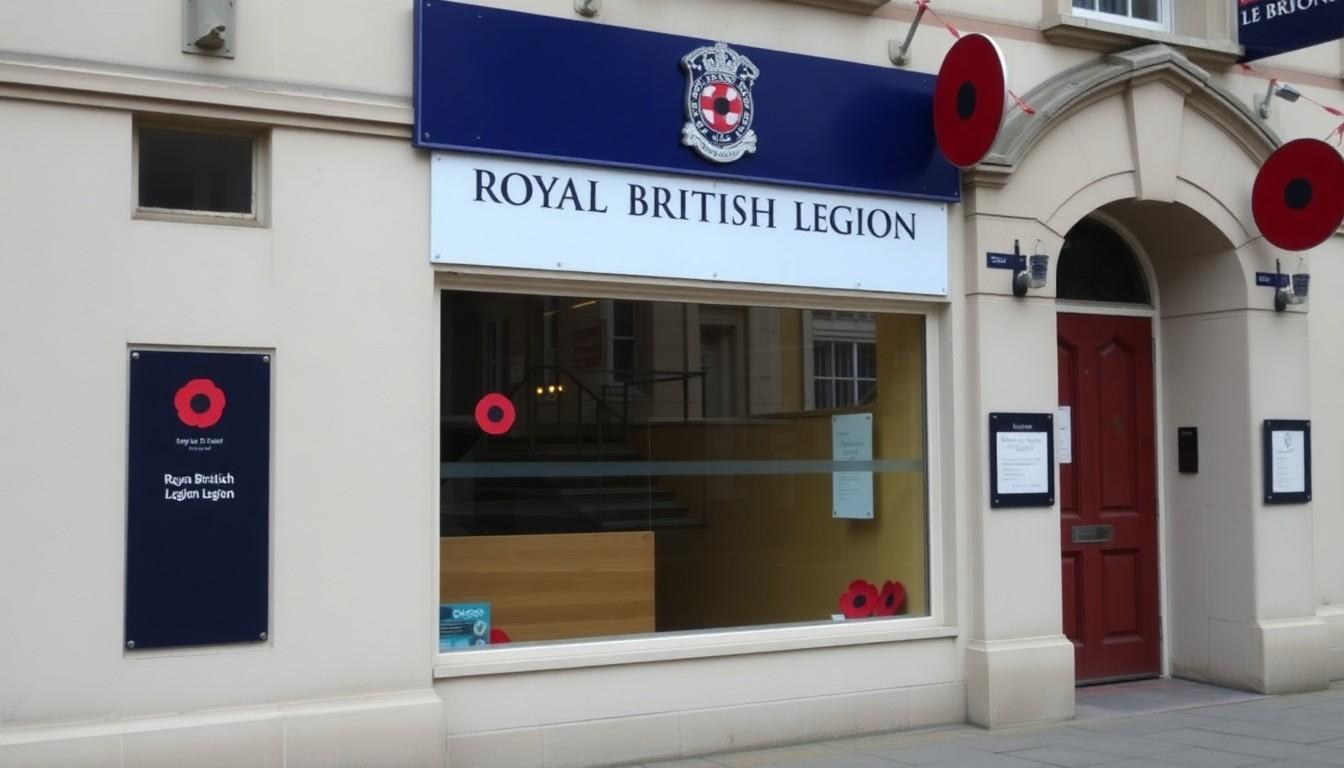
A Pride poppy badge sold by the Royal British Legion has prompted criticism from a Reform UK councillor, who says it brings politics into remembrance. The charity says the £8 pin supports LGBTQ+ people who served in the Armed Forces, including veterans who experienced discrimination. Here’s what the badge represents, and the history behind the debate.
What is the Pride poppy badge?
The badge pairs a familiar poppy with an intersex-inclusive progressive Pride flag. Available through the Royal British Legion’s online shop for £8, it gives supporters another way to wear the remembrance symbol while showing support for LGBTQ+ service personnel. (The Royal British Legion shop)
That combination has become a talking point. Joseph Boam, a Reform UK councillor representing Whitwick on Leicestershire County Council, criticised the badge on Facebook, arguing that remembrance should not be used to promote political causes. (Leicestershire County Council)
Why the Legion says the badge matters
The Royal British Legion has defended the design as a way to support its LGBTQ+ community, especially people who served when same-sex relationships were treated unfairly in the military. Its support services include guidance for LGBTQ+ people who have served in the Armed Forces. (The Royal British Legion; LBC)
The history is more personal than a badge can show. Some veterans served while facing discrimination or having to conceal part of their lives; recognition now can be meaningful, even as people disagree about how remembrance symbols should be presented. (The Royal British Legion; House of Commons Library)
Remembrance symbols, inclusion and disagreement
The poppy is widely associated with remembering those who died in war and supporting the Armed Forces community. But public symbols can carry different meanings for different people, and adding a Pride flag has prompted a familiar question: does it broaden the act of remembrance, or change its focus?
The disagreement is not simply about the price of a pin. It reflects competing views about whether remembrance should stay separate from contemporary causes, or acknowledge the experiences of groups who served and were treated unequally. The Legion’s explanation centres on support for those veterans, while Boam’s objection centres on keeping the symbol politically neutral. (LBC; The Royal British Legion)
What shoppers should know before buying
The badge is listed at £8 in the Royal British Legion’s Poppy Shop. If you’re considering buying one, check the shop listing for current availability and product details, as online stock can change. (The Royal British Legion shop)
The Legion also offers information and support for LGBTQ+ Armed Forces personnel and veterans. That may be useful for someone looking beyond the badge itself and wanting to understand the support available. (The Royal British Legion)
A small badge, a wider conversation
The debate shows how remembrance can bring deeply held values into view. For some, the Pride poppy is a welcome sign of recognition; for others, it feels out of place beside a symbol they want to keep focused on remembrance.
Either way, the conversation is also about the people behind the symbols, including veterans whose experiences have not always been recognised. A pin can’t settle that argument, but it can make the different perspectives harder to ignore.
A badge is a small object, but the question it raises is anything but small.
Source Reference Map
Story idea inspired by: [1]
Sources by paragraph: