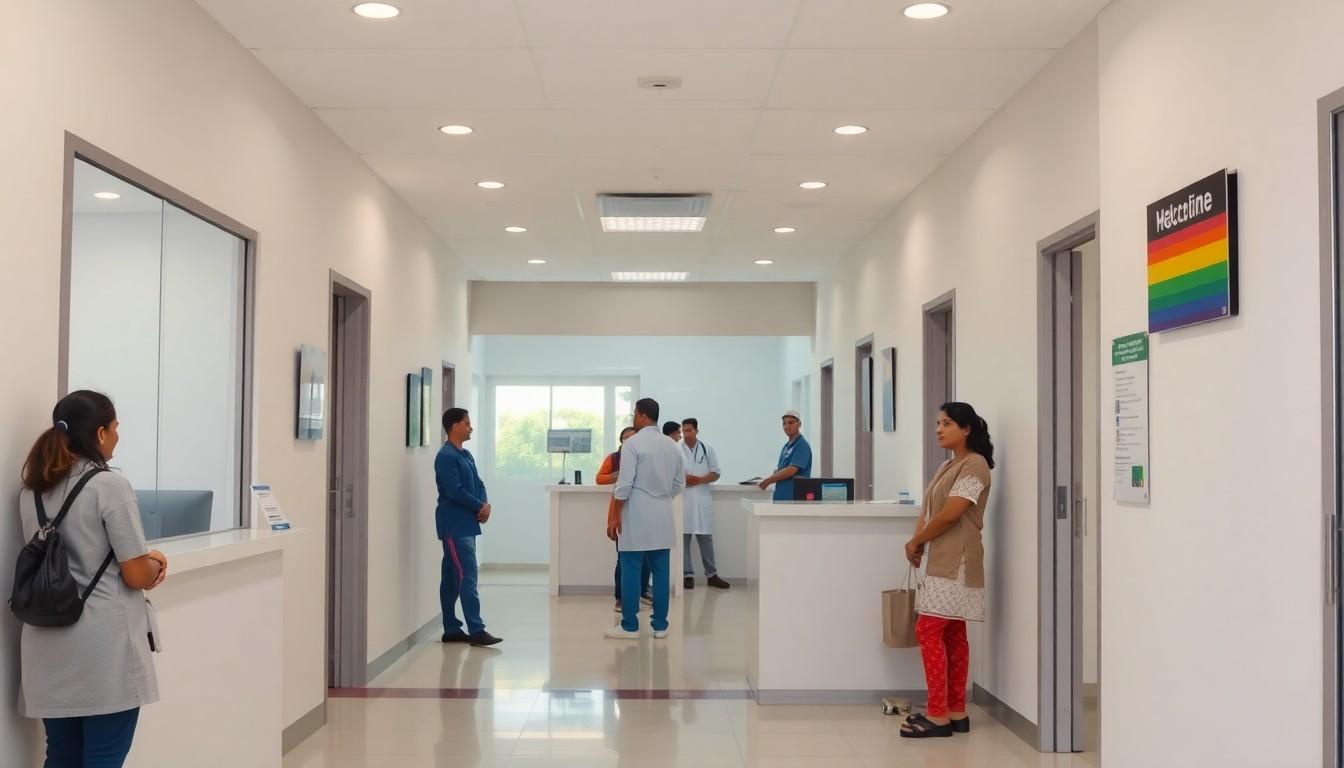
Pride celebrations bring visibility, but LGBTQ+ healthcare in India still faces deeper challenges, from stigma and gaps in medical training to barriers around family recognition. Here’s why equal access matters throughout life, and how clinicians, policymakers and health services can make care more respectful and practical for everyone.
Essential Takeaways
- Legal progress isn't the same as equal care: Key court rulings have changed the legal landscape, but discrimination and social pressure still affect access to healthcare.
- Research remains uneven: Indian LGBTQ+ health studies have often focused on HIV and sexually transmitted infections, leaving other needs less explored.
- Training matters: More LGBTQ+-affirming education can help healthcare workers offer respectful, informed care.
- Family recognition affects health: Same-sex couples may face obstacles in medical decisions and care because their relationships aren't legally recognised.
- Pride needs practical follow-through: Visibility is valuable, but everyday safety, dignity and continuity of care matter just as much.
Pride is visible. Equal care is the harder test
Pride can fill city streets with colour, yet the more difficult measure of progress is what happens in a clinic when someone needs help. In an opinion article for Telangana Today, Dr Kattamreddy Ananth Rupesh argues that stigma, inadequate training and legal gaps continue to shape LGBTQ+ people's healthcare experiences in India. The concern reaches beyond a single appointment: social pressure can affect mental health, relationships and a person's willingness to seek care.
The article describes a gay man who entered a heterosexual marriage under family and social pressure, then faced profound distress. It's a stark example of how expectations around marriage and identity can spill into health. A compassionate health system can't undo every source of pressure, but it can make sure people aren't met with judgement when they ask for support.
Legal advances haven't closed the care gap
India has seen important legal milestones, including the 2014 NALSA judgment recognising transgender people's rights and the 2018 Navtej Singh Johar ruling decriminalising consensual same-sex relations. But legal recognition hasn't automatically translated into social acceptance or equal access to services, the Telangana Today commentary notes.
The Supreme Court declined to recognise same-sex marriage in 2023, leaving questions about the protections and practical rights attached to marriage unresolved. As the Supreme Court Observer's case overview explains, the marriage-equality debate concerns legal recognition, not simply a public label. That distinction matters in healthcare, where partners may need to support one another or take part in decisions during serious illness.
Research needs to look beyond HIV
HIV prevention and sexually transmitted infections are important areas of public health, but they don't represent the whole picture. The commentary points to gaps in Indian research on mental health, chronic disease, reproductive health, ageing and access to gender-affirming care. Studies published in the Indian Journal of Community Medicine and the International Journal of Community Medicine and Public Health also explore LGBTQ+ health and the need to understand experiences beyond a narrow set of clinical concerns.
Better evidence can help services respond to people's needs at different stages of life, rather than treating LGBTQ+ health as a specialist issue that begins and ends with sexual health. Researchers also need to account for differences in age, location and social circumstances. A person with a supportive online community may have options that someone facing isolation does not.
What respectful healthcare can look like
For patients, a useful first step is to look for a clinic that describes its services clearly and treats confidentiality seriously. You can ask whether staff have experience with LGBTQ+ patients, what information will be recorded, and whether a partner or trusted person can be included in care discussions. If a conversation feels uncomfortable, it's reasonable to ask for another clinician or seek a second opinion where that's possible.
For healthcare providers, respectful care starts with listening rather than making assumptions about someone's identity, relationships or health needs. The Telangana Today article calls for LGBTQ+-affirming teaching in medical education, ongoing training and direct engagement with community members. Those measures are practical, not decorative: a patient's trust can depend on whether a clinician asks thoughtful questions and uses language that feels safe.
From symbolic support to lasting change
Pride campaigns can help make people visible, but the deeper work is quieter: better training, more inclusive research and services that don't leave patients feeling they must explain or defend who they are. The commentary also argues that professional bodies should take a clear position against conversion therapy, which international medical organisations have recognised as unethical and harmful.
There isn't one quick fix for stigma or unequal access. But when healthcare workers are prepared, evidence reflects a wider range of experiences and partners can support one another without avoidable barriers, care becomes more humane for everyone.
Equal care is measured in everyday moments, not just once a year.
Source Reference Map
Story idea inspired by: [1]
Sources by paragraph: