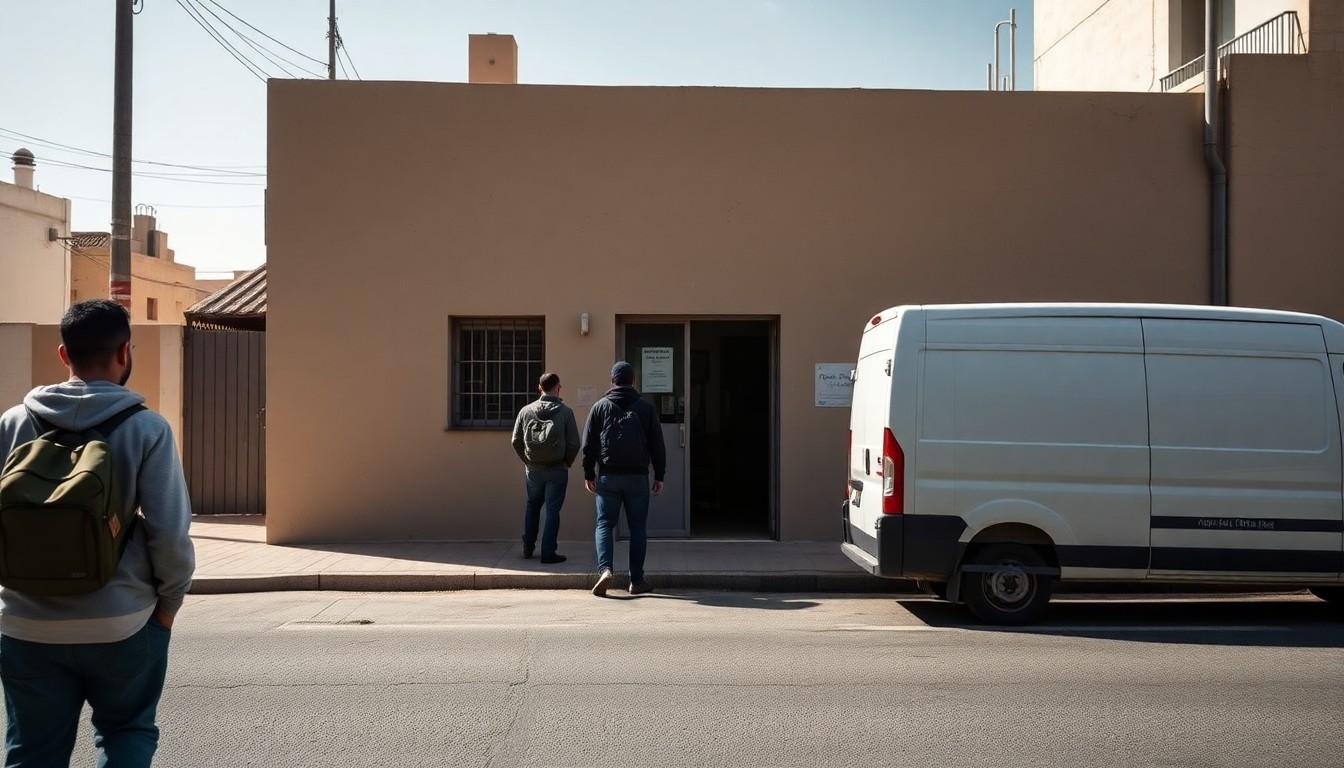
LGBTQ+ migrants in Ceuta are asking Spain for international protection after fleeing threats and violence in Morocco. Their accounts reveal the dangers some face at home and the insecurity that can follow them across the border, as they wait for asylum decisions and a chance to live safely.
For some migrants, reaching Ceuta was only the start
Some LGBTQ+ asylum seekers in Ceuta have spent months waiting for protection, with little certainty about what comes next. Their stories bring a difficult truth into focus: crossing a border can offer a route out of immediate danger, but it doesn’t automatically make someone feel safe.
The Spanish news agency EFE reported accounts from migrants who say they fled family rejection, harassment and threats linked to their sexual orientation or gender identity. One transgender woman described hiding in woodland before finding shelter. Even there, fear of further violence shaped her daily life. [2], [3]
Why they say returning to Morocco isn't safe
The migrants describe leaving after facing abuse or rejection from relatives and communities. In one reported case, a gay couple said they were forced from their home; public exposure of one partner's sexuality was followed by pressure to make a public apology. They also described facing anti-gay insults in Ceuta. [3]
Morocco's Penal Code Article 489 criminalises same-sex sexual acts, with a penalty of between six months and three years in prison. That legal backdrop helps explain why some applicants say they fear returning, although each asylum claim must be assessed on its own circumstances. [5]
Asylum claims are changing, but the wait is real
Spanish reporting has highlighted LGBTQ+ migrants seeking protection on grounds of persecution, rather than primarily for economic reasons. That shift matters because the reasons people leave can be complex, and a person's identity or family circumstances may be central to the risks they describe. [3], [7]
Spain's government has also discussed migration and the situation in Ceuta at a political level. But a policy conversation doesn't resolve an individual's case overnight. For people waiting in shelters or relying on community support, the practical question remains when their claim will be heard and where they can live meanwhile. [2], [6]
What applicants need while their cases are assessed
For anyone seeking asylum, clear information and reliable support can make a daunting process easier to navigate. Legal advice can help applicants understand how to explain their individual circumstances and what evidence may be relevant. Where someone feels unsafe, reaching out to a trusted support organisation or local authorities may also be important.
Those steps aren't a substitute for a fair, timely decision. Nor should people have to prove their story in public to be taken seriously. Safety, privacy and access to basic support matter while an application is being considered. [2], [3]
Protection means more than crossing a border
The accounts from Ceuta are a reminder that migration is rarely a neat journey from danger to security. Some people arrive frightened, without stable housing or a support network, and may face hostility even after reaching Spanish territory. [3], [4]
A safe future depends on more than reaching land: it also means a fair chance to have a claim heard and protection from violence while waiting. [2], [6]
Every person deserves a safe place to make their case and rebuild their life.
Source Reference Map
Story idea inspired by: [1]
Sources by paragraph: