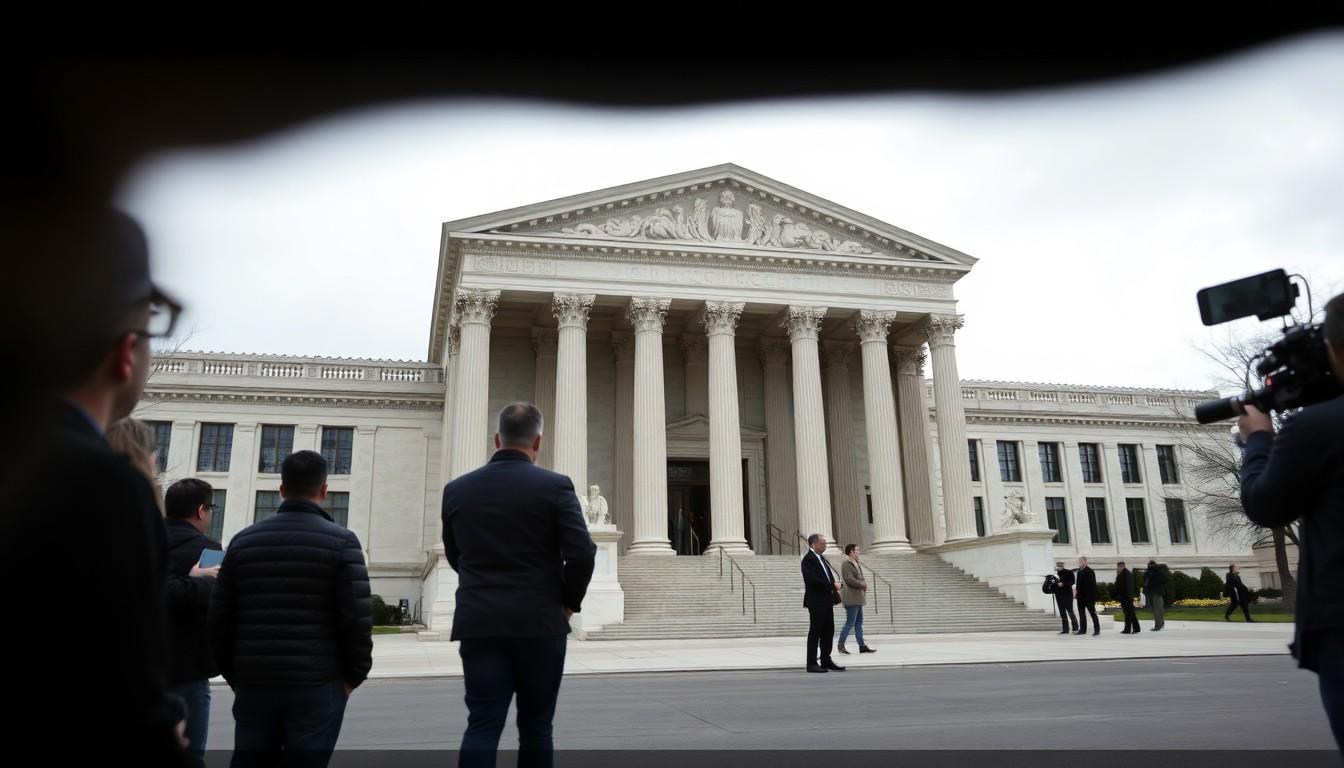
A renewed fight over LGBTQ rights in the United States is bringing old arguments back into the spotlight, from claims about transgender pupils to the legal status of same-sex marriage. The political stakes are clear: campaign rhetoric may energise a party's most loyal supporters, but it can also put it at odds with voters who have grown more accepting.
The claims about transgender care need context
The latest debate has often centred on transgender young people. But FactCheck.org has challenged claims made by Donald Trump on the issue, including suggestions that children are routinely subjected to gender-transition surgery. That distinction matters: heated campaign language can blur very different forms of care and make an already sensitive subject harder to discuss clearly.
For readers trying to sort fact from political theatre, the useful starting point is to look for precise claims and reliable evidence, rather than accepting a dramatic anecdote at face value. The same caution applies to claims about schools: a slogan may sound simple, but it can leave out important context.
Same-sex marriage rests on landmark court rulings
The legal backdrop has been shaped by two major Supreme Court decisions. In 2013, the court struck down a key part of the federal Defense of Marriage Act, which had denied federal recognition to same-sex marriages. In 2015, it ruled that same-sex couples have a constitutional right to marry across the United States.
Those decisions didn't settle every argument about religion, business or personal belief. But they changed what married couples could expect from federal law and state governments, giving same-sex spouses equal recognition in areas including federal benefits.
The clash between religious freedom and equal treatment
One earlier Supreme Court case, Burwell v Hobby Lobby, concerned whether certain closely held businesses could refuse to cover specific forms of contraception in employee health plans on religious grounds. The ruling turned on the law governing religious objections, rather than LGBTQ rights directly, but it helped shape wider debates about how religious liberty applies to employers.
That distinction is worth keeping in mind. Legal arguments about religious freedom can have consequences beyond the dispute that first brought them to court, yet each case has its own facts and limits. The question is often not simply whether a belief deserves protection, but how that protection interacts with other people's access to services and benefits.
Public attitudes have shifted, but politics can lag
Pew Research found that 87 per cent of Americans said they personally knew someone who was gay or lesbian in 2013, up from 61 per cent in 1993. Familiarity doesn't explain every change in public opinion, but it offers a human counterpoint to abstract political arguments: people are more likely to see the issue through the lives of friends, relatives and colleagues.
The gap between voters and political messaging can become a risk for parties. When leaders focus heavily on issues that divide the public, they may energise their base while making it harder to appeal to a wider electorate. The result is a familiar tension: what works in a party primary may not work as well in a general election.
What to watch as the debate continues
The Supreme Court has declined to revisit its 2015 same-sex marriage ruling in a recent case, according to The Associated Press. That doesn't mean the argument has vanished, but it does show that the legal status of marriage and the political debate around it are separate questions.
For voters, it helps to distinguish proposed policy from campaign rhetoric, and current law from arguments about what the law should become. Midterm elections are contests for seats in Congress, so control of the House and Senate can shape which policies lawmakers pursue, even when the presidency is unchanged.
The political lesson is simple: culture-war messaging can rally a loyal audience, but it can also leave a party speaking to fewer people.
Source Reference Map
Story idea inspired by: [1]
Sources by paragraph: