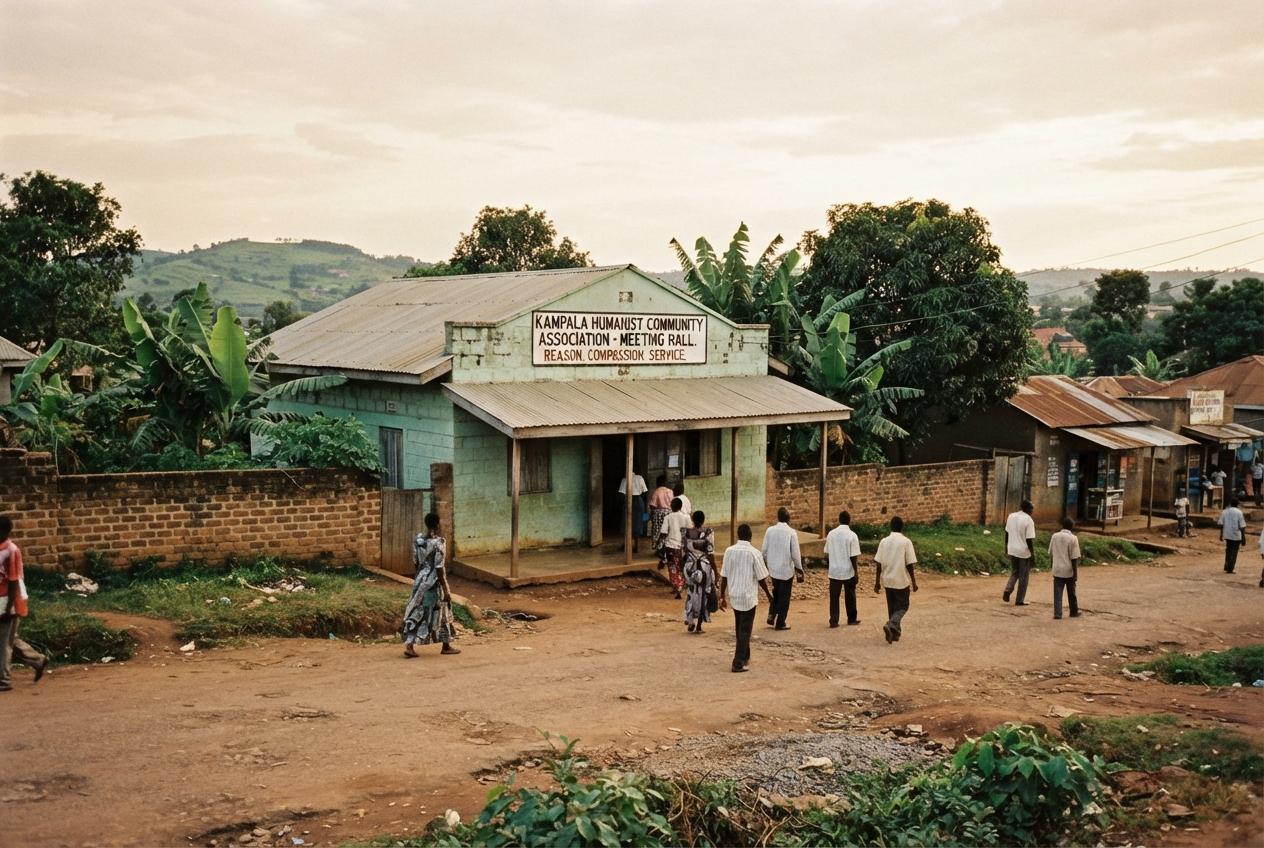
Kato Mukasa says he remains committed to humanism in Uganda, despite hostility and setbacks for people defending freedom and equality. His reflections bring a personal voice to wider debates over human rights, religious prejudice and the space available to LGBTQ+ communities. They also offer a reminder of why patient, local advocacy matters, even when progress feels fragile.
A personal commitment to humanism
Mukasa’s message is resolute: he intends to keep working for humanism, more determined than before. In the interview published by In-Sight Publishing, he describes the work as a long-term effort to encourage people to think for themselves and build a more rational, freer society. [2]
That commitment comes with a clear-eyed view of the setbacks. Mukasa says gains can be made and then undone, leaving campaigners feeling as though they have taken several steps backwards. It’s a familiar frustration for anyone working on social change, where progress rarely moves in a straight line. [2]
Why humanist voices matter in Uganda
For Mukasa, humanism is more than a personal outlook. It’s a way of putting human wellbeing, reason and freedom at the centre of public life, and of challenging prejudice without abandoning the people affected by it. [2][3]
A collection of humanist voices from Uganda provides wider context for that approach, while a 2022 webinar hosted by AHA Luxembourg explored the status and prospects of organised humanism in Africa. Together, these sources point to a movement shaped by local organising as well as international conversation. [3][4]
Rights and safety remain central concerns
Mukasa’s reflections also speak to the pressures facing LGBTQ+ people in Uganda. He says that rights to privacy, assembly and association are denied to members of the community, linking humanist advocacy with the practical question of who can live openly and safely. [2]
Human Rights Watch reported in 2025 that Uganda’s Anti-Homosexuality Act had fuelled abuse. The International Commission of Jurists has also documented the 2008 case of Mukasa and Oyo against Uganda’s Attorney General, an earlier legal challenge concerning the rights of LGBTQ+ people. [6][7]
Remembering colleagues, sustaining the work
The loss of fellow campaigners gives this work a personal weight. Humanists International remembered two Ugandan colleagues and friends, while Mukasa’s interview recalls the death of humanist colleague Collins Ayella Lacika. These remembrances show how movements are built not just through public arguments, but through relationships and shared effort. [2][5]
Mukasa’s appeal for people to stand up and be counted is direct, but his wider point is patient: advocacy should continue whether or not any one person is present. That kind of resolve can sound quiet beside the language of political conflict, yet it’s often what keeps a movement going. [2]
What readers can take from Mukasa’s message
The interview offers a useful reminder to look beyond headlines and consider the people doing the day-to-day work. Readers who want to understand humanism in Uganda can start with the interview, then explore the humanist voices collection and reporting from human rights organisations for added context. [2][3][6]
It’s also worth keeping the distinction between personal belief and equal rights in view. Mukasa’s call to “live and let live” is simple, but it points to a demanding principle: people should be able to hold different views without facing intimidation or exclusion. [2]
A more open society is built slowly, through solidarity as much as conviction.
Source Reference Map
Story idea inspired by: [1]
Sources by paragraph: