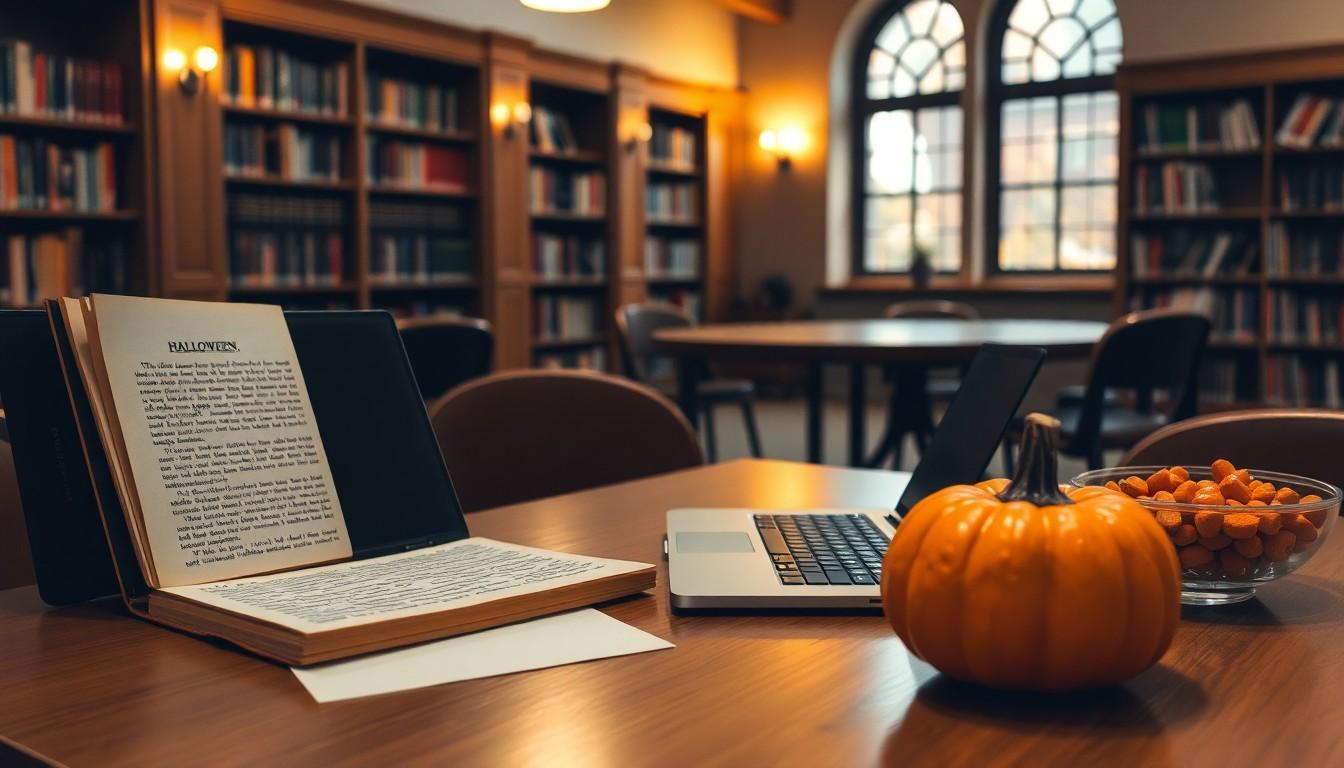
As Halloween returns each October, its mix of costumes, carved pumpkins and old customs offers more than a night of spooky fun. The holiday has roots in seasonal traditions and has changed over time, while today it also creates space for communities to celebrate identity, art and culture. Here’s a look at the history behind the familiar rituals.
Essential Takeaways
- A date with history: 31 October is closely associated with Halloween and a range of seasonal customs.
- Traditions have shifted: The holiday’s modern rituals developed over time rather than arriving fully formed.
- More than costumes: Halloween reflects changing ideas about community, creativity and celebration.
- Culture matters: LGBTQ+ history and culture are part of the wider story of how communities make meaning through art and shared traditions.
Halloween’s familiar sights have older roots
Pumpkins glowing on doorsteps and costumes filling the streets make Halloween feel wonderfully immediate. But the traditions behind the 31 October celebrations stretch back through a longer history, with seasonal observances and customs changing as they travelled across time and place.
The Library of Congress highlights 31 October in its historical record, while its Halloween guides gather material that helps trace the holiday’s changing customs. That background gives the familiar decorations a little extra texture: they’re not just seasonal props, but part of a tradition people have kept reshaping. (Sources: Library of Congress; HISTORY)
From seasonal customs to trick-or-treating
Halloween’s story is often linked to Celtic seasonal traditions, though the modern holiday is the result of many influences rather than a simple, unchanged survival from ancient times. Smithsonian Magazine explores the Celtic origins associated with trick-or-treating, while the Library of Congress’s Chronicling America guide offers a window into how Halloween appeared in American newspapers.
That evolution is part of the fun. A custom can travel, take on new meanings and become something that feels entirely its own in a neighbourhood or family. (Sources: Smithsonian Magazine; Library of Congress)
Why Halloween still brings people together
For many people, Halloween is a chance to play with identity for an evening: a dramatic costume, a favourite character or simply a bit of theatrical make-up. It’s also a communal ritual, built around decorations, parties and the familiar knock at the door.
Those traditions sit alongside broader cultural histories. The Smithsonian’s National Museum of American History documents LGBTQ+ history, a reminder that cultural life is made up of many communities and experiences. Halloween doesn’t mean the same thing to everyone, and that variety is part of its appeal. (Sources: Smithsonian National Museum of American History; HISTORY)
A thoughtful way to enjoy the night
If you’re planning a Halloween evening, the simplest traditions are often the most memorable. Choose a costume you can move around in, make decorations that suit your space and check local arrangements before setting off with children or handing out treats.
And if the holiday’s history interests you, explore a newspaper archive or museum resource alongside the spooky stories. It’s a good way to see how everyday celebrations become cultural history, one costume and carved pumpkin at a time. (Sources: Library of Congress; Smithsonian Magazine)
Halloween lasts because it can be both a playful night out and a tradition with layers beneath the surface.
Source Reference Map
Story idea inspired by: [1]
Sources by paragraph: