Ghanaian humanist Roslyn Mould is making the case for visibility, open debate and equal rights in West Africa. From a striking billboard promoting atheism to concerns over anti-LGBT legislation, her work shows why humanism matters to people seeking community and a public voice.
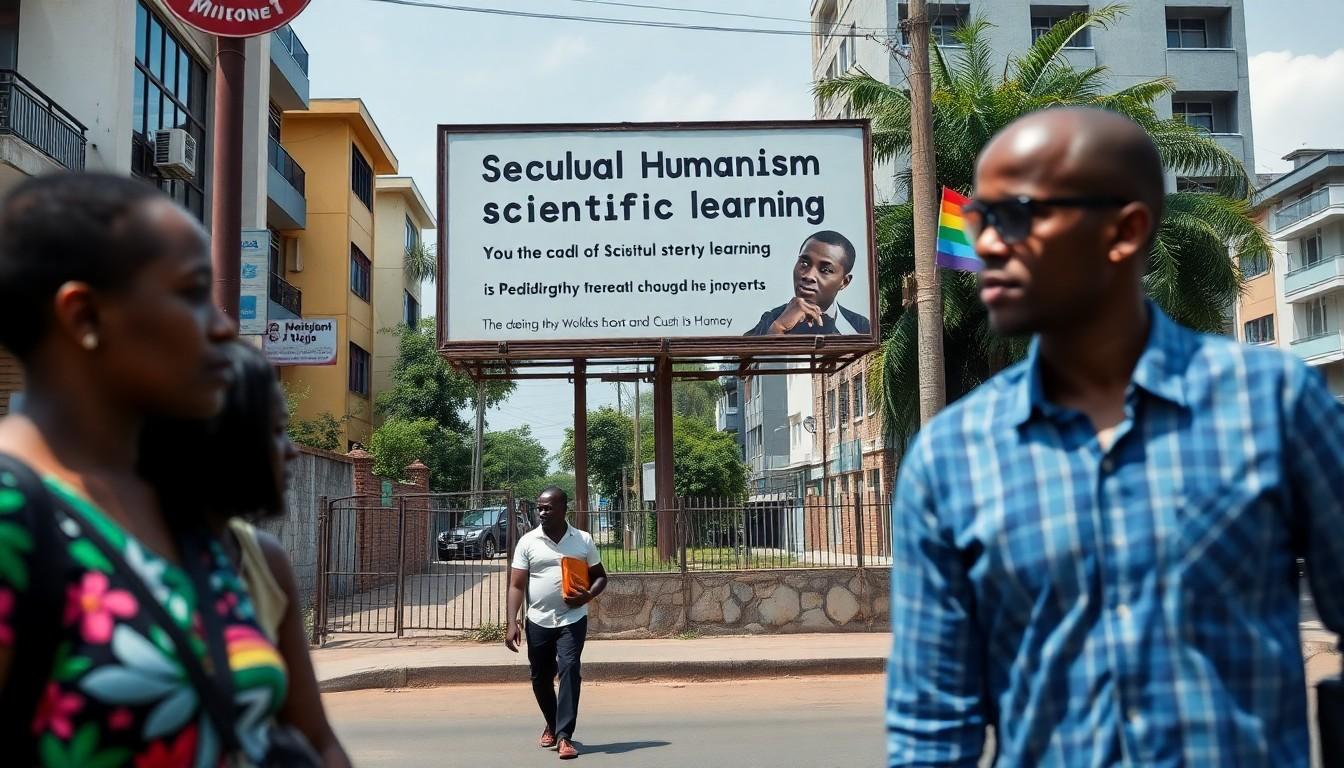
One billboard made a private belief visible
A billboard declaring that atheists exist is more than a bold piece of outdoor advertising. For non-religious people in Ghana, it can offer a rare moment of recognition: a public sign that they aren't alone.
Humanists International described the campaign as the first atheist billboard in Africa. The message was direct, and that was the point. Belief and nonbelief are often treated as private matters, but visibility can help people find one another and feel safer speaking openly.
Roslyn Mould wants room for open debate
Mould, a Ghanaian humanist and activist, has spoken about the difficulties facing people who want to question religious ideas or discuss secularism. In an interview with the Humanist Society of Scotland, she highlighted the need for more space for critical thinking and intellectual exchange.
That debate isn't simply about opposing religion. Humanism offers a way of approaching life centred on human wellbeing, dignity and responsibility, without relying on supernatural beliefs. Humanists International's guide to humanism notes that people who identify as humanists may differ in their views, though many share a commitment to reason and concern for others.
Humanism links equal rights with everyday wellbeing
For Mould, humanism's emphasis on the value of every person connects directly to LGBT rights. That makes the conversation urgent in Ghana, where proposed anti-LGBT legislation has drawn international concern.
Human Rights Watch urged Ghana's president to veto the bill in 2024, warning of its consequences for LGBT people and their rights. It's a reminder that debates about identity and equality aren't abstract: laws can shape whether people feel safe at home, in public and within their communities.
Finding community matters when people feel isolated
A public campaign can do more than raise awareness. It may help people who have kept their views quiet discover a community, exchange support and feel less exposed.
The case of Mubarak Bala, the Nigerian humanist imprisoned after being convicted of blasphemy, underscores the risks some non-religious people face. Humanists International's campaign for Bala has called for his release and drawn attention to the importance of protecting freedom of belief and expression.
A visible message is only the beginning
Billboards can start a conversation, but they can't do the whole job. Humanist groups also need opportunities to build communities, support members and encourage respectful discussion about religion, rights and public life.
For anyone exploring humanism, a useful first step is to read about its core ideas and seek out a welcoming local or online group. The label matters less than the questions it invites: how can we live well together, and how can we protect one another's dignity?
A little more visibility can help turn those questions into a shared conversation.
Source Reference Map
Story idea inspired by: [1]
Sources by paragraph: