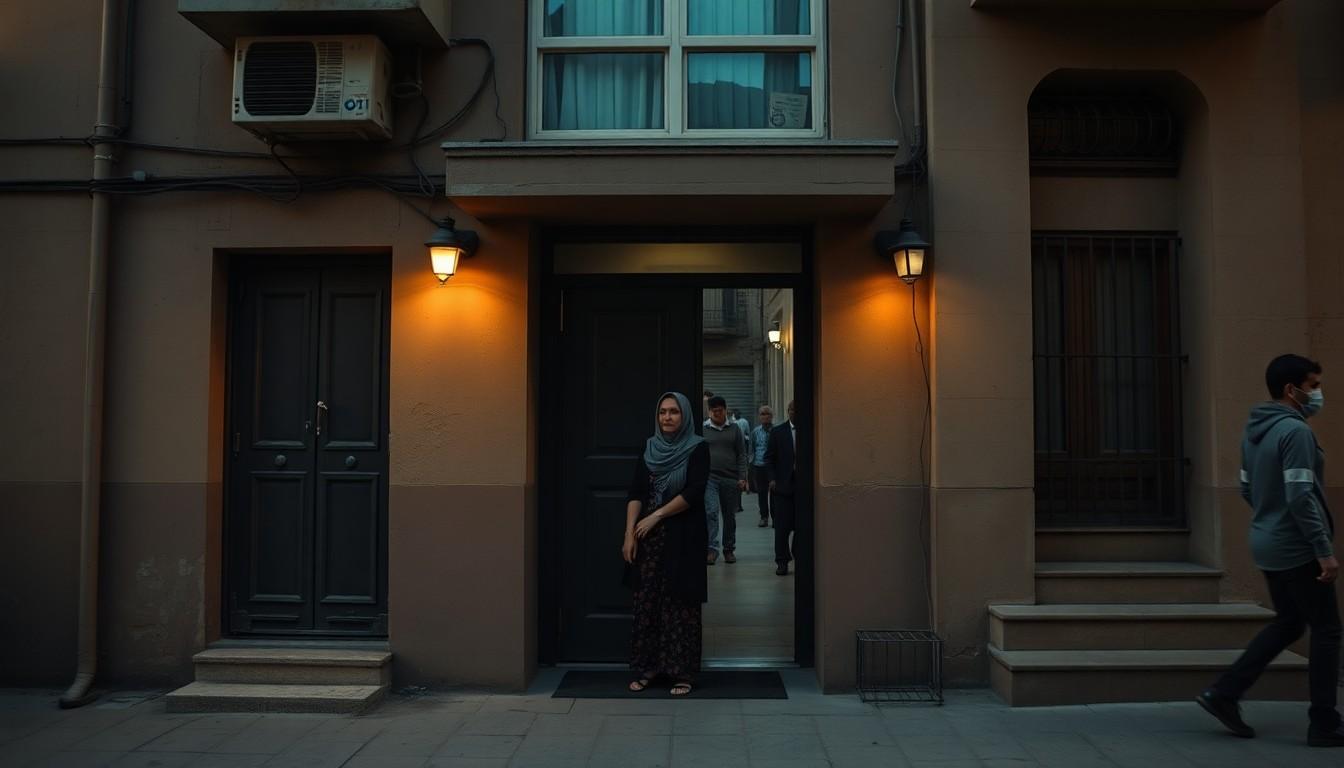
A first-person account from an anonymous LGBTQ atheist in Egypt describes how private beliefs became a source of family conflict, intimidation and fear. The interview offers a personal view of the pressures faced by some non-believers and LGBTQ people, while broader reporting on Egypt helps explain why speaking openly can feel so risky.
One woman’s private beliefs became a public danger
In an interview published by In-Sight Publishing, an anonymous woman from Egypt describes a long path towards atheism, beginning with childhood questions about suffering and faith. She says years of reflection and research led her to conclude that God was an illusion.
Her account is deeply personal, not a measure of every Egyptian’s experience. But it shows how belief, sexuality and family life can become tightly entangled when someone fears rejection or exposure. The interviewee says she is bisexual and that her views were shared with her family without her consent.
A breach of trust brought threats and bullying
The woman says a man she met through Facebook claimed to love her and wanted to marry her. After she trusted him with information about her atheism and bisexuality, she says he sent screenshots of her posts to her family.
She describes facing hostility from relatives and neighbours, including insults and threats. She says she left her family home and now lives with a friend in Cairo, while still feeling unsafe when visiting her mother in Alexandria. That sequence is her account of events, and the interview does not independently establish every detail.
What wider reporting says about rights in Egypt
The interview sits within a wider human-rights context. Human Rights Watch has documented concerns in Egypt around freedom of expression, association and the treatment of critics, while the US Commission on International Religious Freedom has published country updates examining religious freedom there.
Those broader reports don't verify the interviewee's individual claims, but they help explain why she describes public disclosure as dangerous. The risk she conveys isn't simply social awkwardness; it's the fear that personal information could trigger consequences at home or beyond it.
Why the internet can feel both open and exposed
Online spaces can offer connection and a way to find others with similar experiences. Yet the interviewee says the internet also became the route through which her private posts were exposed, and she worries about government monitoring.
The risks facing online expression are part of a wider debate about civic space in Egypt. The International Center for Not-for-Profit Law tracks restrictions affecting civil society and association, while the Associated Press has reported on the experiences of non-believers in the Middle East. Together, these sources underline a difficult contrast: digital platforms can offer a voice, but they don't guarantee privacy or safety.
Read the account with care, not as a stereotype
A single interview can't stand in for all LGBTQ people, atheists or families in Egypt. It can, however, make the stakes of disclosure vivid: a person may be weighing honesty and connection against the possibility of rejection, harassment or worse.
For readers, the most useful response is to listen without treating someone's identity as a debate topic, and to respect the limits they set around what can be shared. In situations involving threats, practical safety and trusted support matter more than public declarations.
A personal story can make a wider issue harder to ignore, while still leaving room for each person's experience to be their own.
A little privacy and trust can make a world of difference.
Source Reference Map
Story idea inspired by: [1]
Sources by paragraph: