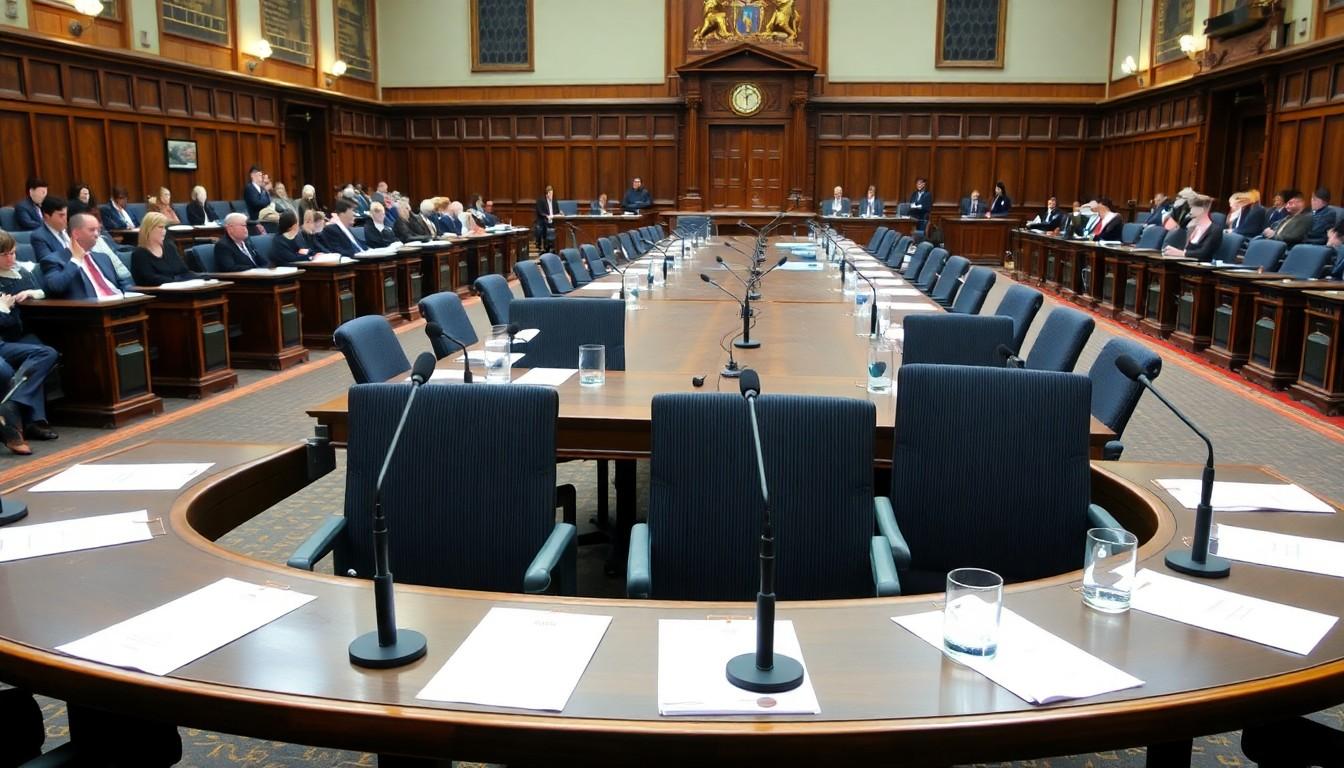
Parliament’s scrutiny of the draft conversion practices bill has begun, with campaigners and legal voices warning that its wording could affect healthcare, family conversations and people seeking support. The proposals would criminalise certain forms of emotional pressure linked to sexual orientation or transgender identity, making the committee’s examination important for professionals and the public alike.
What the draft bill would make an offence
The proposed law would target “emotional pressure” that causes someone to believe they do, or do not, have a particular sexual orientation or transgender identity. A person convicted could face a fine, up to five years in prison, or both, according to the Government’s published draft bill.
That broad description has prompted questions about where the boundary would lie between harmful coercion and ordinary discussion, support or clinical care. The draft legislation is now under parliamentary examination, where witnesses can raise how its terms might work in practice. (Sources: Government draft bill; House of Lords debate.)
Clinicians warn of a chilling effect
At an evidence session, Helen Joyce of Sex Matters told the committee that a study involving 30 medical professionals found they expected the bill to have a serious chilling effect on their work. Some participants, the Christian Institute reported, had previously been whistleblowers at the Tavistock.
Criminal barrister Dennis Kavanagh, speaking for the Gay Men’s Network, argued that the prospect of prosecution could make clinicians reluctant to act. He described the likely result as a “deep freeze”, rather than merely a chilling effect, according to the account of the hearing. (Sources: Parliament committee event; Sex Matters campaign; Christian Institute report.)
The legal certainty question
Kavanagh also raised concerns about whether the bill would give professionals and families enough clarity about what conduct could lead to prosecution. He warned that uncertainty could invite inconsistent enforcement and leave people unsure where the law draws the line.
Those are arguments made by critics, not settled conclusions about how a final law would operate. The bill remains a draft, and the committee’s role is to consider its possible effects as scrutiny continues. (Sources: House of Lords debate; Parliament committee event.)
Why the committee’s scrutiny matters
The proposals touch on sensitive conversations involving identity, health and personal relationships, so the definitions matter. A law intended to prevent coercive practices will need to distinguish them clearly from legitimate care and everyday support, critics argue.
The committee is hearing from different groups as it examines the legislation. Its findings may help clarify the concerns raised by witnesses and inform any changes before the draft bill proceeds further. (Sources: Parliament committee event; Government draft bill; House of Commons debate.)
What to watch as the draft bill develops
For readers, the key issue is not simply whether conversion practices should be addressed, but how the law would define them and protect people from harmful conduct without creating avoidable uncertainty. The committee’s evidence sessions are one place those competing concerns are being aired.
Further parliamentary debate and scrutiny will show whether the draft’s wording is revised. For now, the practical question remains a simple one: can the proposed rules be clear enough for people to understand what is prohibited? (Sources: House of Lords debate; House of Commons debate; Government draft bill.)
A clearer bill could help protect people while giving professionals and families firmer ground to stand on.
Source Reference Map
Story idea inspired by: [1]
Sources by paragraph: