Chicago’s first Pride march took place on 27 June 1970, just a year after the Stonewall uprising. As LGBTQ+ History Month renews interest in the city’s role, local advocates are working to make sure this early act of protest gets the recognition it deserves. Its beginnings were modest, but the message was anything but.
Essential Takeaways
- A landmark date: Around 150 people gathered in Chicago on 27 June 1970 for a march demanding equal rights.
- A different kind of Pride: The event was a protest, not the float-filled celebration many people picture today.
- A route through the city: Participants gathered in the Gold Coast, rallied at Washington Park, then marched along Michigan Avenue.
- History needs preserving: Local advocates are seeking a plaque in Washington Park to commemorate the march.
Chicago’s first Pride march began as a protest
The crowd was small by today’s standards, but the atmosphere carried a clear sense of purpose. On 27 June 1970, about 150 people gathered in Chicago’s Gold Coast, rallied for equal rights in Washington Park and marched towards Michigan Avenue.
The date came one year after police raided the Stonewall Inn in New York. Chicago’s march took place on the Saturday; New York and Los Angeles held their marches the following day. The Gerber/Hart Library’s archive of historic publications helps document this early chapter of the movement.
What made the 1970 march different?
There were no elaborate floats or polished parade spectacle. Gary Chichester, co-founder of the Chicago LGBTQ Hall of Fame and a participant in the march, has described it as very different from the Pride celebrations people know today.
That distinction matters. The first march was a public demand for equality, not simply a community festival. Chicago’s Pride history also sits within a broader local story of LGBTQ+ organising and activism, preserved through archives and historical collections.
Why advocates are protecting Chicago’s Pride legacy
During LGBTQ+ History Month, Chichester and other local advocates are working to bring the march’s significance to wider attention. Their concern is straightforward: if the history isn’t shared, it can slip from public memory, even in the city where it happened.
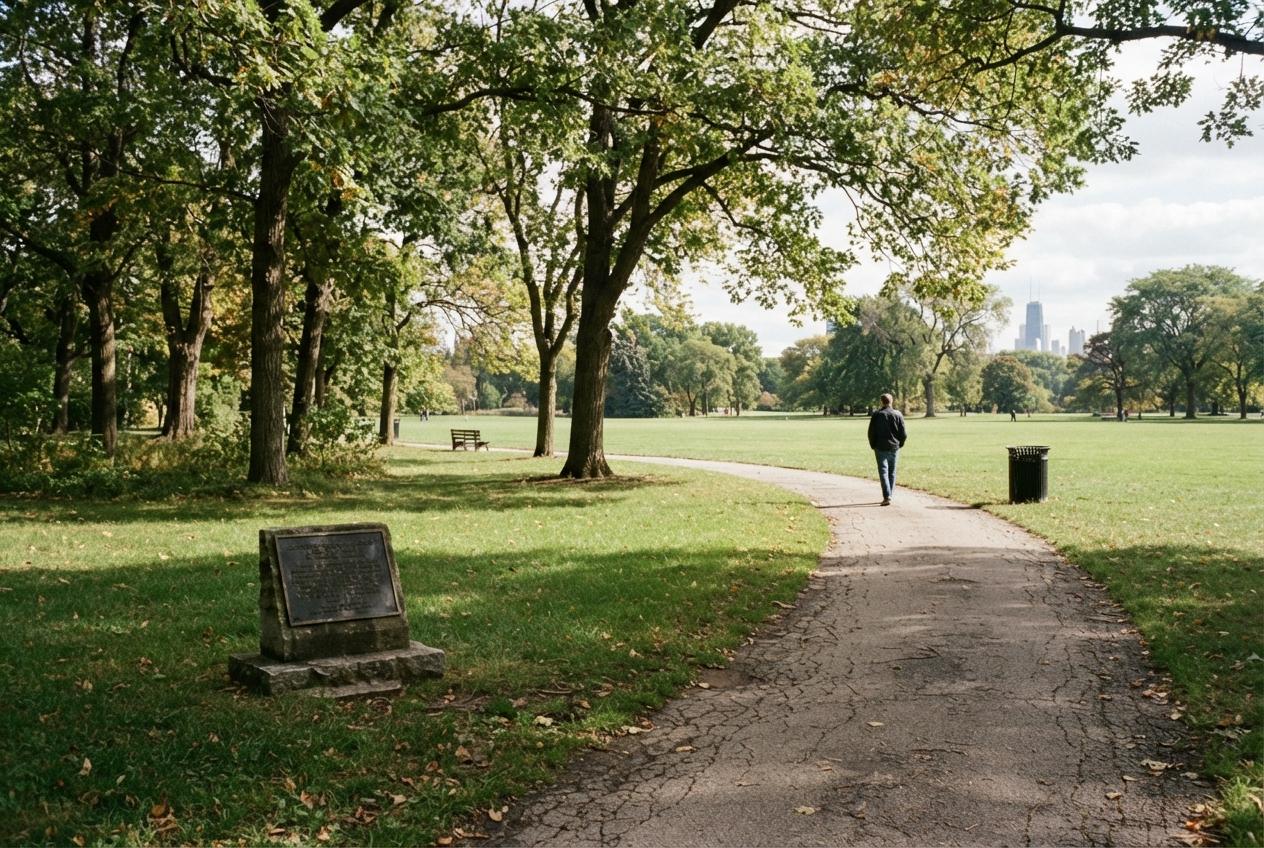
The group, alongside Congressman Mike Quigley, is pushing for a plaque in Washington Park. It would give visitors a visible reminder of the march and its place in Pride history, rather than leaving the story tucked away in old newsletters and archival records.
How to learn more about Chicago LGBTQ+ history
For a fuller picture, start with archival material from the Gerber/Hart Library and Chicago-focused historical resources. These records offer useful context around the people, places and organising that shaped the city’s LGBTQ+ history.
It’s also worth remembering that early Pride events weren’t identical across cities. Chicago’s Saturday march came before the Sunday marches in New York and Los Angeles, making the local story a particularly important part of the movement’s timeline.
A small gathering with a lasting message
Today’s Pride celebrations may be louder and more colourful, but the 1970 march began with people willing to be seen and heard. A plaque would be a small marker for a moment that helped shape a much larger movement.
Source Reference Map
Story idea inspired by: [1]
Sources by paragraph: