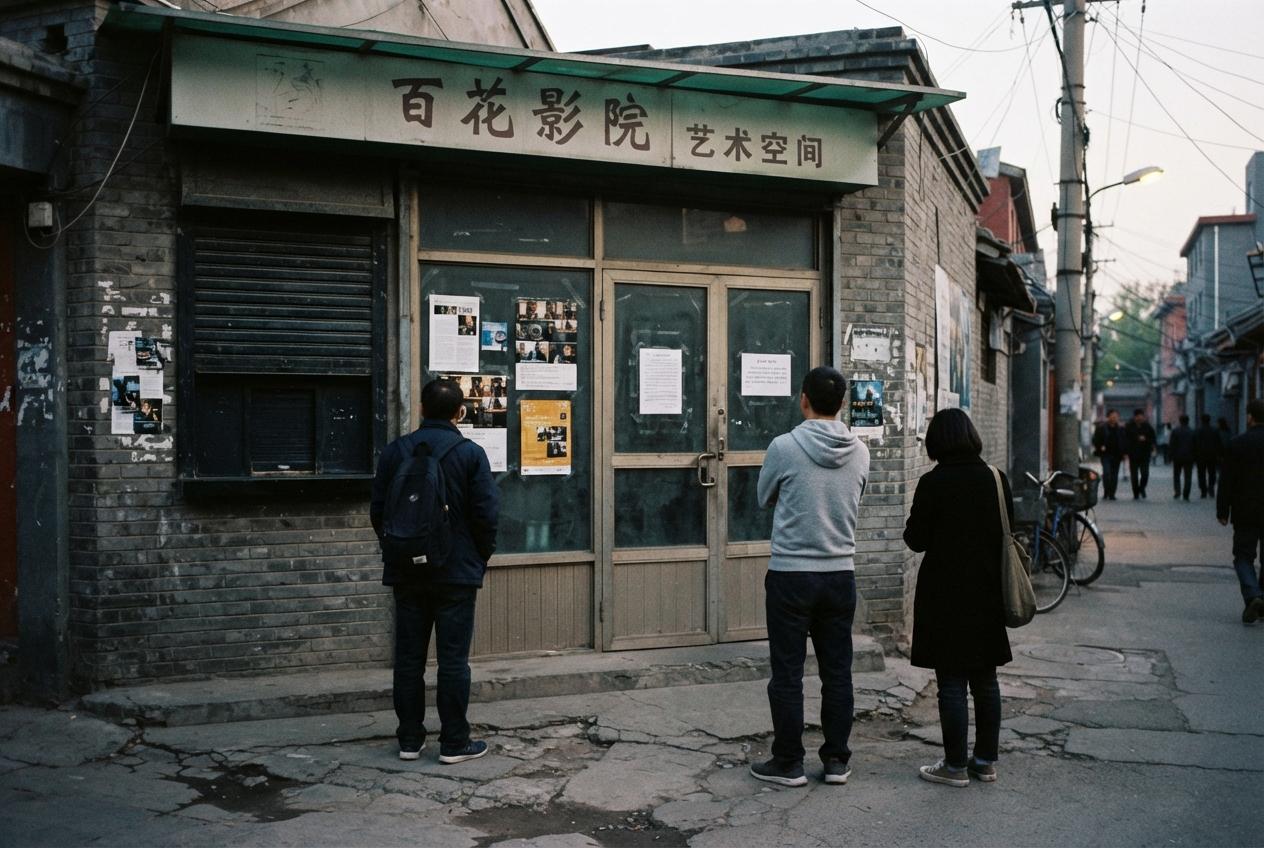
A quarter-century-old Beijing queer film festival was cancelled hours before its scheduled opening, after reports of repeated police calls to organisers. The abrupt halt has disappointed filmmakers and audiences, and renewed concern over the room for LGBTQ+ storytelling in China. Here's what the festival's history and recent restrictions mean for queer cinema.
Essential Takeaways
- Cancelled at short notice: Love Queer Film Week was due to begin on 30 October 2026; organisers announced it would not go ahead the night before.
- A long-running platform: The Beijing Queer Film Festival began in 2001 and has created space for independent LGBTQ+ films and audiences.
- Pressure reportedly preceded the decision: The Guardian reported repeated calls from police to organisers, though no official reason for the cancellation was given.
- Not an isolated setback: LGBTQ+-themed screenings at Beijing's Institut Français were also cancelled in June 2026 after reported police pressure.
A festival stopped just before opening
The timing was especially stark: Love Queer Film Week was called off only hours before its first screenings, leaving filmmakers and audiences without the gathering they had planned for. Organisers announced the cancellation on Instagram on Thursday evening, but did not publicly explain why.
The Guardian reported that police had made repeated calls to organisers in the weeks before the event. That account has sharpened concerns about pressure on independent cultural groups, although the circumstances have not been formally confirmed by organisers or authorities.
25 years of queer cinema in Beijing
Founded in 2001 by students at Peking University, the festival has offered a rare public space for films exploring sexuality, gender identity, relationships and everyday queer life. Its programme has included independent work from China and abroad, alongside discussions that are often hard to find in mainstream media.
The event has had to adapt over the years, with previous editions facing cancellations, venue changes and restrictions. Yet interest has continued: The Guardian reported that around 200 people applied to volunteer in 2025, about four times the previous year's number. Some international filmmakers had reportedly already travelled to China for this year's programme.
Why a film festival matters beyond the screen
A queer film festival is more than a run of screenings. It can give people a chance to recognise parts of their own lives on screen, meet others and talk openly about identity and belonging. When public discussion is constrained, those shared moments can carry particular weight.
The festival's earlier editions show the breadth of that work. At its 2023 event, 74 independent films from 25 countries were screened, with discussions covering queer identity, family and community. The cancellation therefore removes not just a cultural event, but a meeting point for filmmakers and audiences.
A wider pattern of pressure on independent events
The latest cancellation follows other disruptions to LGBTQ+-related cultural events in Beijing. In June 2026, screenings at the Institut Français featuring films about same-sex relationships were halted after reported police pressure, according to Le Monde. Human Rights Watch also raised concerns about queer films and social media content being censored around Pride Month.
Independent film events have faced scrutiny beyond LGBTQ+ programming, too. Beijing's Independent Film Festival was shut down in 2014 after organisers were detained and the venue's electricity was cut, The Guardian reported. Taken together, such episodes point to the challenges facing groups that operate outside officially approved cultural structures.
What happens to Love Queer Film Week now?
Organisers have not said whether the festival will be rescheduled or return in another format. The reported police pressure remains central to accounts of the cancellation, but there has been no public explanation from organisers confirming the reason.
For queer filmmakers and audiences, uncertainty is part of the loss: a festival with 25 years of history has once again had to stop short. And while screenings can be postponed, the appetite for stories that reflect real lives is harder to switch off.
It's a sobering reminder of how much a shared screen can mean.
Source Reference Map
Story idea inspired by: [1]
Sources by paragraph: