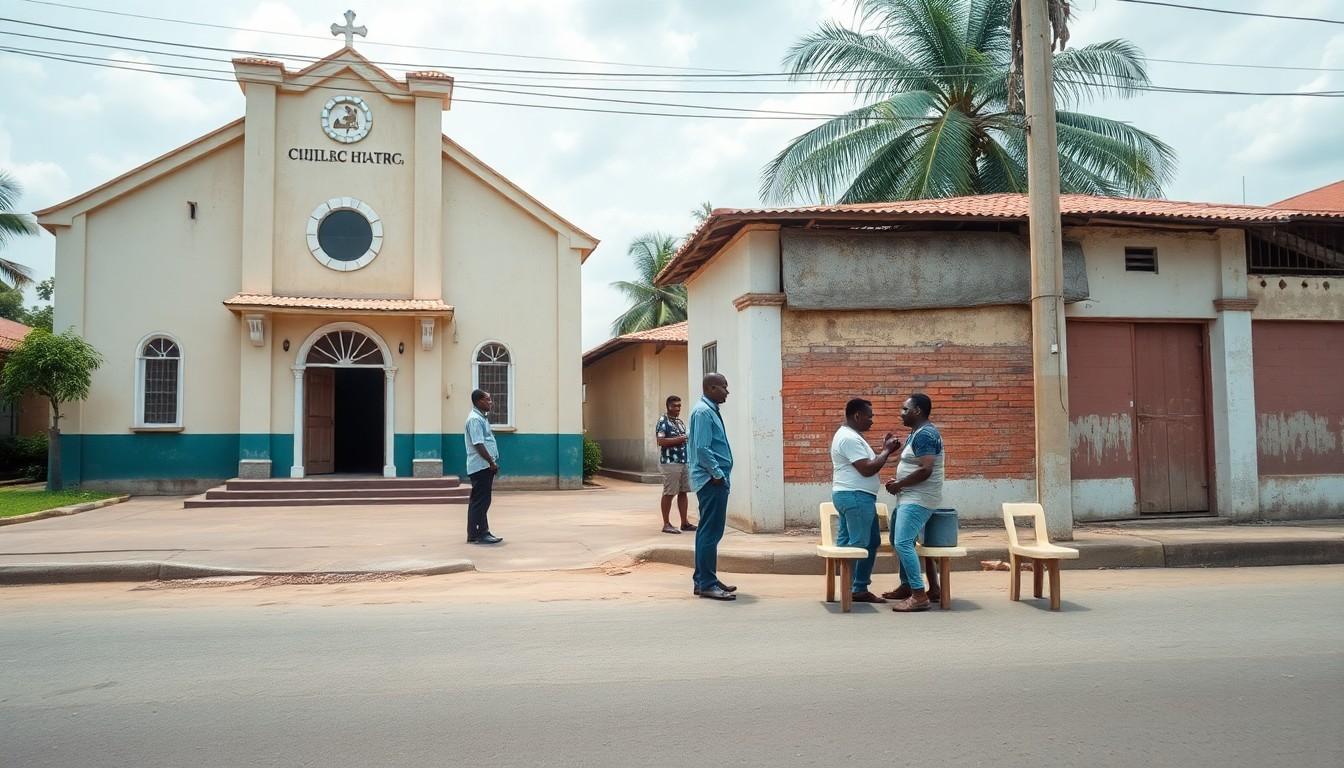
Alex Kofi Donkor’s journey from church life to human rights advocacy reflects a personal search for honesty and a wider concern about the treatment of LGBT people in Ghana. In an interview with In-Sight Publishing, the activist discusses coming to terms with his sexuality, finding a humanist outlook and why speaking openly about injustice matters.
A personal decision with a public meaning
Leaving the church wasn’t a sudden break for Alex Kofi Donkor. In his account to In-Sight Publishing, he describes gradually accepting his sexuality while still holding church positions, then deciding in 2017 that he could no longer reconcile that role with his identity. He also points to church rhetoric he considered discriminatory and harmful. [2], [4]
His reflections place a private question, how to live honestly, alongside a public one: what happens when LGBT people face hostility or abuse? Donkor has described moving towards activism and human rights advocacy as a way to address those wider injustices. [2], [3]
Why humanism became part of the picture
Donkor describes humanism through a focus on people’s rights, dignity, respect and wellbeing, alongside critical thought. That outlook, he says, gave him a framework for examining beliefs and institutions rather than accepting them without question. [1]
It’s a practical idea as much as a philosophical one. Looking at debates through a human rights lens can shift attention away from abstract arguments and towards how real people are treated in everyday life. [2], [3]
From personal experience to LGBT rights advocacy
Donkor’s professional work is connected to LGBT rights and sexual health in Ghana. Earlier interviews describe his work as director at LGBT+ Rights Ghana and discuss programme priorities, including rights and health needs. [2], [3], [5]
His public profile also includes writing on LGBT issues, while broader reporting on Ghana documents challenges faced by LGBTQI people. That context matters: advocacy isn’t simply about making a case in public, but about responding to conditions that affect people’s safety and ability to live openly. [6], [7]
Why speaking up matters
In the interview, Donkor says silence worries him most when people avoid discussing human rights and LGBT issues. It’s a pointed observation: when difficult subjects are left untouched, the people most affected can be made to feel invisible, too. [1]
Earlier conversations with Donkor also address the work of defending rights and improving sexual health. Taken together, they show how personal testimony and organised advocacy can support each other, even when speaking plainly takes courage. [2], [3]
A human rights lens starts with listening
For readers trying to understand LGBT advocacy in Ghana, a useful starting point is to listen to people directly involved, then compare personal accounts with reporting and research on the wider context. Donkor’s story offers one perspective, not a substitute for the many different experiences within Ghana’s LGBT community. [2], [6], [7]
And that distinction matters. Human rights debates can become abstract quickly, but dignity is lived person by person, often in ordinary decisions about identity, safety and belonging. [1], [7]
Listen closely, and the bigger picture becomes harder to ignore.
Source Reference Map
Story idea inspired by: [1]
Sources by paragraph: