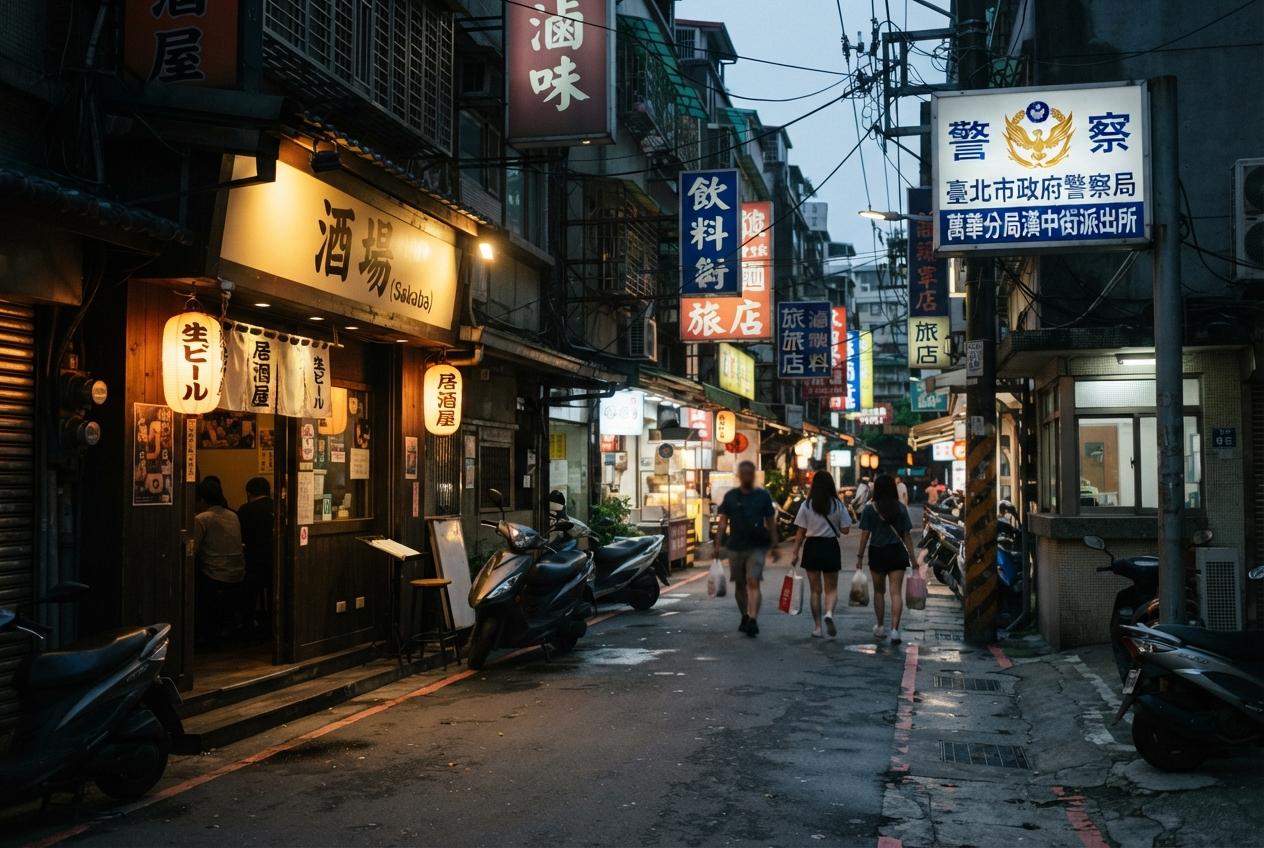
A public argument in Taiwan over LGBTQ+ rights and a police raid on a Taipei gay bar has reopened a bigger question: can people defend freedoms that aren’t their own? The controversy, and entertainer Kevin Tsai’s decision to speak out, offer a timely reminder that civil rights matter well beyond party lines, especially to young people who deserve to live without fear or stigma.
A bar raid sparked a wider conversation
The dispute began after Taipei police raided Commander D, a gay bar in the Ximending district, on 3 October. The operation drew criticism and prompted questions about how the authorities treat LGBTQ+ people and venues. For many, the concern wasn’t only about one bar, but about the possibility of old patterns of discrimination returning. [4], [5]
Tsai’s public stance has also attracted criticism, with some commentators interpreting his appearances at political events as a straightforward declaration of party allegiance. But he has pointed to LGBTQ+ rights as a reason for speaking up, while appearing at campaign events associated with politicians from different camps. That makes the issue harder to reduce to a simple party label. [2], [3]
Rights aren’t reserved for people directly affected
The central point is easy to lose in partisan argument: defending someone else’s rights doesn’t require sharing their identity or political views. People can support equal treatment for gay and lesbian citizens because they believe everyone should be free to build a life without discrimination. That principle applies just as readily to gender equality, poverty or opposition to political repression. [2], [6]
Taiwan legalised same-sex marriage in 2019, after years of public debate and campaigning. The change was a major milestone, but legal recognition doesn’t automatically remove stigma or guarantee that rights will never be challenged. Progress depends, in part, on whether people continue to care when the issue affects someone else. [2], [6]
What makes a free society feel real?
Freedom is more than the ability to make personal choices. It also means allowing other people to make choices we might not understand or would never make ourselves. In practice, that calls for public institutions and communities to protect people from fear and discrimination, not simply to celebrate rights when they benefit us personally. [2], [6]
That idea connects with philosopher Bertrand Russell’s image of life as a river, moving from a narrow, self-focused stream towards a wider current that joins the sea. In his essay “How to Grow Old”, Russell argued that looking beyond the self can soften the fear of death: the causes and concerns we care about can continue after we do. [2], [7]
Speaking out can carry a real cost
The article argues that Tsai has faced professional and commercial consequences after entering a heated political debate. His choice, it suggests, is significant not because public figures are always right, but because he appears willing to accept personal costs for values he considers important. That distinction matters: courage can be worth recognising without treating any individual as beyond criticism. [2], [3]
Nor does everyone need to take the same public route. Some people speak at rallies; others support community groups, challenge a discriminatory remark or simply make clear that harassment isn’t acceptable. A society’s rights culture is built through both visible gestures and the quieter choices people make in everyday life. [2], [6]
The next generation inherits today’s decisions
Rights that now seem ordinary were won through sustained effort, from Taiwan’s democratisation to the campaign for marriage equality. Their continued protection isn’t automatic, so each generation has to decide what kind of society it wants to pass on. For teenagers and young adults, that can mean the difference between growing up with dignity and learning to expect exclusion. [2], [6]
No one should have to wait for a celebrity to defend their right to live safely and openly. The lasting test of solidarity is whether people protect others’ freedom even when there’s no personal reward, applause or easy political advantage. [2], [6]
It's a small but powerful measure of democracy: how safely people unlike us can live.
Source Reference Map
Story idea inspired by: [1]
Sources by paragraph: