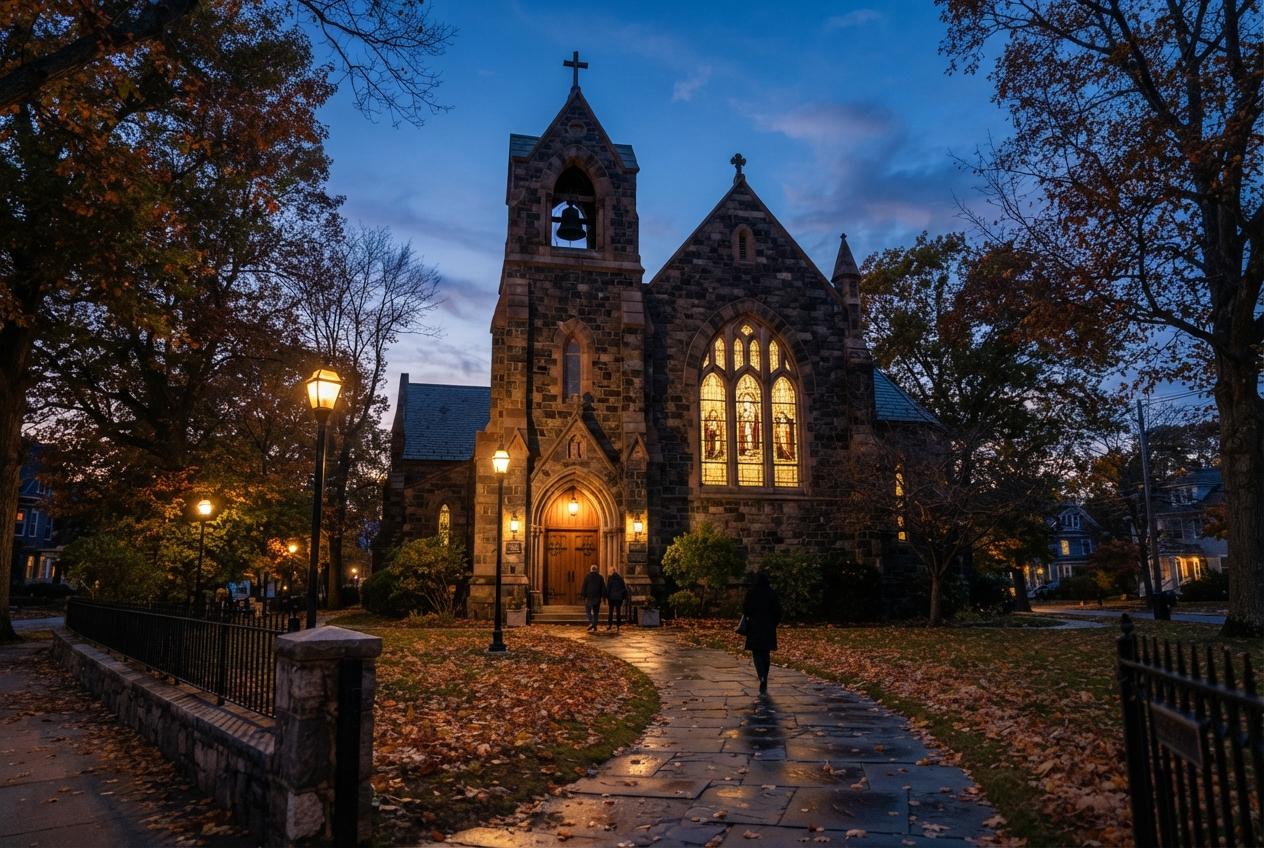
People are rethinking Halloween as more than costumes and sweets, especially within LGBTQ Catholic communities. Its links to All Hallows' Eve, horror's history of coded outsiders and long-standing queer celebrations offer a powerful way to remember ancestors, reclaim identity and find belonging.
Essential Takeaways
- A night of remembrance: Halloween connects with All Hallows' Eve, All Saints' Day and All Souls' Day.
- Horror's queer resonance: Monsters and outsiders have often reflected LGBTQ experiences of marginalisation.
- A tradition of freedom: Historical Halloween gatherings gave queer people rare opportunities to dress and socialise openly.
- Community matters: Chosen families and queer ancestors can be honoured alongside biological relatives.
- Hope sits beside fear: Its focus on mortality can also speak to Catholic ideas of resurrection and renewal.
Halloween's outsider stories still resonate
Long before Halloween became a parade of pumpkins and party playlists, horror was giving marginalised people a language for being seen. Frankenstein's creature, Dracula and the werewolf are frightening figures, certainly, but they're also outsiders: rejected, misunderstood and forced to build lives beyond respectable society.
That pattern has made horror unusually meaningful to LGBTQ audiences. Research and commentary on LGBTQ themes in horror films and fiction show how monsters have often carried ideas about forbidden desire, difference and social anxiety. The effect can be oddly comforting. When the world insists you're the problem, a story about the supposed monster may feel like a quiet act of recognition.
From coded horror to queer cinema
Film history adds another layer. During periods when openly LGBTQ characters were restricted or discouraged on screen, horror could smuggle questions about identity and desire into the shadows. The result wasn't always deliberate representation, but viewers learned to read between the lines.
That legacy continues in queer horror, where LGBTQ characters and creators are increasingly placed at the centre rather than hidden inside metaphor. Documentaries such as Queer for Fear have helped trace that relationship, while films including Nightbreed have become touchstones for audiences drawn to stories about communities of outsiders. The visual language remains deliciously dramatic, but the emotional question is simple: who gets to call somewhere home?
A Catholic calendar with a different meaning
For LGBTQ Catholics, the religious history of Halloween can make the evening feel more layered than its commercial image suggests. All Hallows' Eve leads into All Saints' Day and All Souls' Day, traditions built around holiness, memory, death and the continuing presence of those who've gone before.
That creates space to remember queer ancestors, including people whose names, identities or stories were never safely recorded. Some may have lived openly, while others navigated secrecy, family pressure or religious rejection. Lighting a candle, setting a place at the table or sharing a story can turn a familiar celebration into a gentle act of remembrance.
Why costumes once offered real freedom
Dressing up isn't always just play. In earlier eras, laws and social rules restricted how LGBTQ people could dress, gather and express themselves in public. Halloween offered unusual cover, allowing people to step outside expected gender roles with less risk of immediate punishment or scrutiny.
That history helps explain why queer Halloween events have often been about more than spectacle. Balls, bar-crawling traditions and community parties created temporary zones where people could meet others like them and be recognised. The costume may have been theatrical, but the relief was real. For one evening, the disguise could paradoxically reveal the person underneath.
Making a queer Halloween meaningful today
A thoughtful celebration doesn't need to reject the fun. Watch a queer horror classic, support an LGBTQ venue, invite chosen family over for dinner or create a small altar for people and communities you'd like to remember. Even a shared film night can become a way to connect entertainment with history.
It also helps to keep the atmosphere welcoming rather than treating horror as an excuse for cruelty. Choose stories with care, check that guests are comfortable and remember that not everyone experiences Halloween's imagery lightly. For many LGBTQ people, death and violence aren't abstract themes, so a little tenderness matters.
Halloween's meaning will keep evolving, but its invitation remains strikingly clear: make room for the people who were once pushed to the edge.
Source Reference Map
Story idea inspired by: [1]
Sources by paragraph:
- Paragraph 1: [2], [4]
- Paragraph 2: [3], [5]
- Paragraph 3: [2], [4]
- Paragraph 4: [6], [7]
- Paragraph 5: [3], [6]
- Paragraph 6: [4], [5]
- Paragraph 7: [2], [7]
- Paragraph 8: [3], [4]
- Paragraph 9: [5], [6]
- Paragraph 10: [2], [7]
- Paragraph 11: [3], [5]
- Paragraph 12: [4], [6]
- Paragraph 13: [2], [7]
- Paragraph 14: [3], [5]
- Paragraph 15: [4], [7]
- Paragraph 16: [2], [6]
- Paragraph 17: [3], [4]