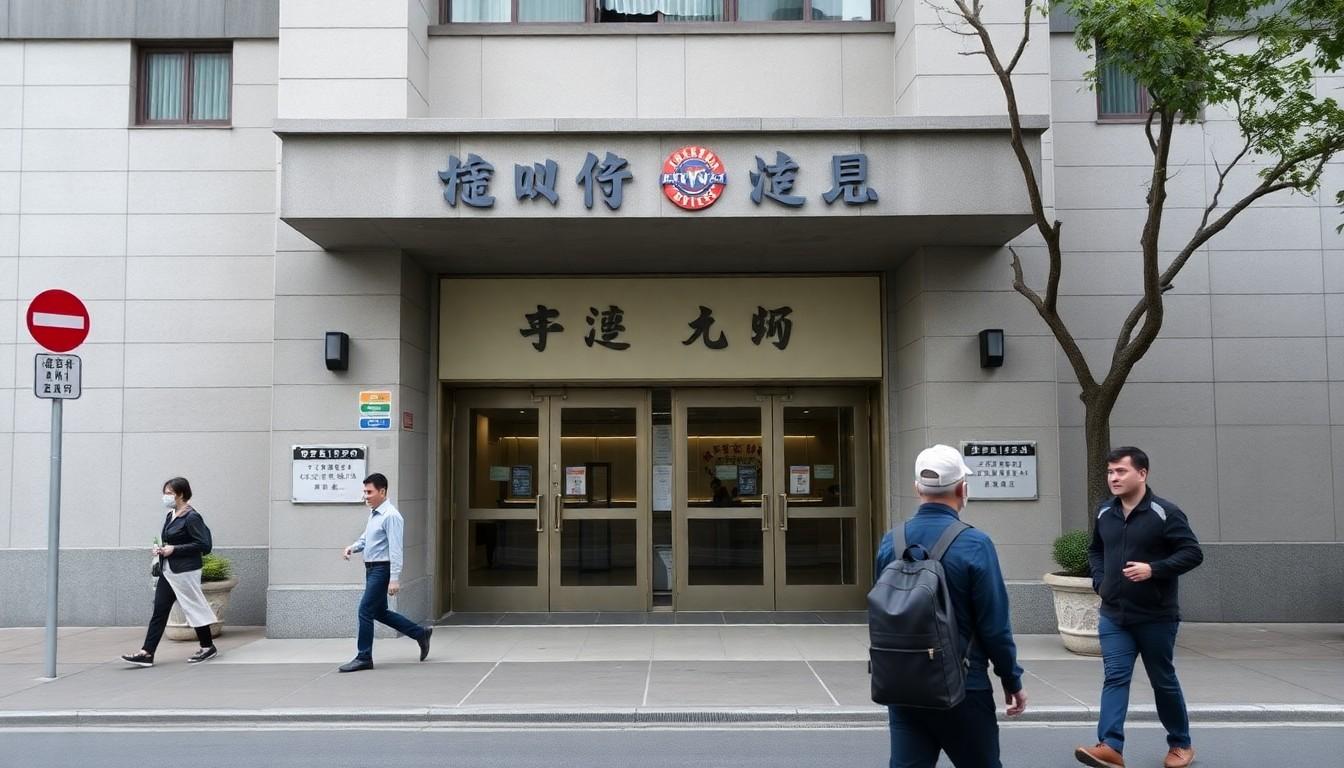
Questions over a police raid at a Taipei LGBTQ+ bar have returned to the fore, as lawyer Li Hui-hsuan urges the city government to publish its completed investigation. The case has drawn attention from affected patrons, LGBTQ+ groups and public figures, and the timing matters: officials have apologised again, but key questions about the search and detentions remain unresolved.
At the heart of the Taipei bar search dispute
The controversy centres on a police search at a gay bar in Taipei's Ximending district on 3 October. Officers entered with a search warrant and took the venue's operator and dozens of patrons to a police station, prompting concerns about how customers were searched and whether their freedom to leave was restricted. Taiwan's Central News Agency reported that six officers were disciplined two days later over inappropriate remarks and supervisory failures. [2]
That response did not settle the central questions raised by Li, a lawyer and prospective local councillor. She says the city has yet to explain the legal basis for searching customers' belongings, restricting their movements or taking them to the station. Those are not fine-print details; they go to the limits of police authority and people's basic rights. [2], [3]
An apology, but what about the findings?
Taipei City Government issued another apology to those affected and the LGBTQ+ community shortly before the city's Pride parade. It also said the administrative investigation had been completed and reviewed by the National Police Agency, while outlining plans for further training and guidance. [5]
But Li argues that an apology is hard to assess without the findings behind it. The city has not publicly explained what the investigation concluded about the search, the handling of patrons or responsibility within the police chain of command. A statement can express regret; a published account would show what officials believe went wrong. [5], [6]
Were patrons free to refuse?
One of the sharpest disputes concerns whether the people taken to the station went voluntarily. Li has pointed to video in which an officer appears to warn that people who did not go along could be handcuffed. She says that kind of warning makes it difficult to accept a blanket claim that everyone freely agreed. [3], [4]
The distinction matters. A search warrant authorises a search within legal limits; it does not automatically answer whether every person present can be searched or detained. The available summaries do not resolve those legal questions, so they should be treated as allegations and matters requiring investigation, rather than settled findings. [2], [3]
Why the report's release matters
The government says the administrative report is complete, but the public still lacks its detailed conclusions. Li says any sensitive personal information or material linked to an active criminal investigation could be redacted, while the reasoning and findings on police conduct should still be made clear. [5]
That would also help separate two processes that are often blurred together. Criminal investigators and courts assess whether an offence may have been committed; police and city officials can separately examine whether officers followed rules and exercised their powers appropriately. Waiting for one process need not leave the other unexplained. [3], [5]
What residents should look for next
For anyone following the case, the practical questions are straightforward: will the report be released, what parts will be withheld, and will the city explain how it reached its conclusions? Li has also called for officials to identify responsibility and describe changes intended to prevent a repeat. [5], [7]
Singer and television host Tsai Kang-yung has said the incident was among the reasons he chose to appear at a campaign event for Taipei mayoral candidate Shen Po-yang, bringing fresh attention to the dispute. That visibility may keep pressure on officials, but a clear public account is what would let residents judge whether the response matches the seriousness of the concerns. [6], [7]
A meaningful apology starts with a clear account of what happened and what will change.
Source Reference Map
Story idea inspired by: [1]
Sources by paragraph: