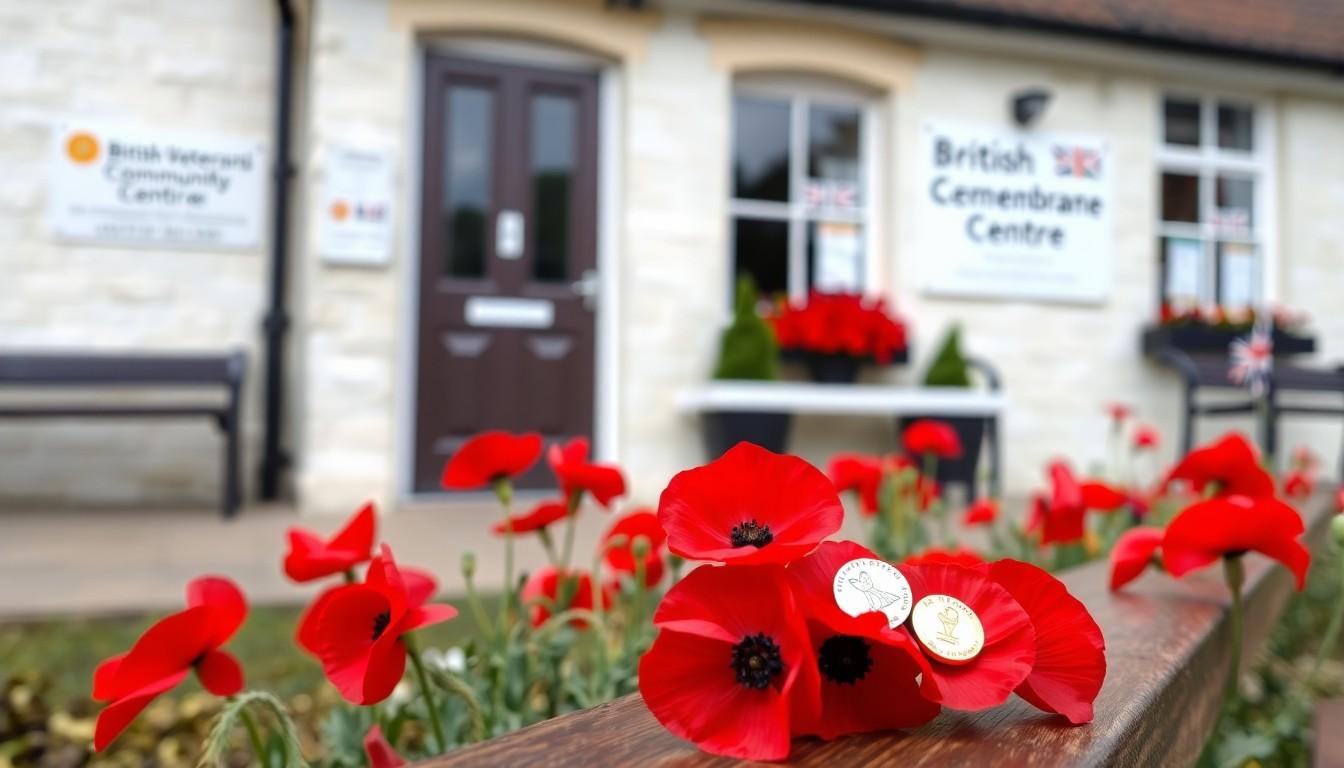
A rainbow Poppy Pride badge has prompted criticism from a Reform UK councillor, but the Royal British Legion says it recognises LGBTQ+ people in the Armed Forces who faced discrimination. The discussion touches on remembrance, the military's former ban on openly LGBTQ+ service personnel and how a small symbol can offer visible support. [2]
Key takeaways
- The badge's purpose: The Legion says it supports LGBTQIA+ members of the Armed Forces who have faced discrimination or marginalisation. [2]
- A ban ended in 2000: LGBTQ+ personnel had previously risked dismissal if their sexuality became known. [3]
- The criticism: Leicestershire councillor Joseph Boam called the badge political in a Facebook post. [2]
- Remembrance has different expressions: The Legion's guidance explains that poppies can be worn in different ways. [7]
A small badge, a wider debate
The Poppy Pride badge is modest in size, but its meaning has become the focus of a public disagreement. After Reform UK councillor Joseph Boam criticised it in a Facebook post, the Royal British Legion said the badge recognises LGBTQIA+ service people who have experienced discrimination because of their sexual orientation or gender identity. [2]
Boam argued that the badge politicised remembrance. The Legion, by contrast, described visible support for LGBTQIA+ Armed Forces communities as a sign of allyship and said it wanted to be a safe, inclusive space. Those positions point to a familiar tension: whether a symbol can honour service while also acknowledging the experiences of people who served. [2]
Why the badge looks back to military history
The Legion's explanation specifically refers to the former ban on LGBT personnel serving openly in the British Armed Forces. The restriction was lifted in January 2000; before then, gay, lesbian and bisexual service personnel could face dismissal if their sexuality became known. [2]
The government has also commissioned an independent review into the experiences of LGBT veterans who served before the ban was lifted. Its existence underlines that the impact of the policy is not simply a matter of historical symbolism: it has been examined as an issue affecting former service personnel. [3]
Remembrance isn't one-size-fits-all
Poppies are widely recognised as a mark of remembrance, but the way people wear them can vary. The Legion's own guidance covers different ways to wear a poppy, while its LGBTQIA+ branch provides a point of connection for people in that community. [6] [7]
That context helps explain why the Poppy Pride badge is not just a seasonal accessory. For some, it can signal that LGBTQ+ service members and veterans are seen and welcomed; for others, any added meaning attached to remembrance may invite debate. The badge makes that disagreement visible, but it doesn't erase the shared act of remembering. [2] [6]
What the Legion's wider response means
The badge also sits within a broader conversation about the Armed Forces' past treatment of LGBTQ+ people. The government review and the Legion's own recognition of those affected both point to the importance of hearing veterans' experiences, rather than treating the former ban as a closed chapter. [3] [8]
For anyone choosing a poppy or related badge, the practical point is simple: the Legion's guidance allows for different ways of wearing one. A visible sign of support may be small, but for someone who once had to hide who they were, it can carry real weight. [7] [2]
Remembrance can make room for shared service and the different experiences of those who served. [2] [3]
Source Reference Map
Story idea inspired by: [1]
Sources by paragraph:
- Stand-first: [2], [3]
- Key takeaways, bullet 1: [2]
- Key takeaways, bullet 2: [3]
- Key takeaways, bullet 3: [2]
- Key takeaways, bullet 4: [7]
- Paragraph 1: [2]
- Paragraph 2: [2]
- Paragraph 3: [2]
- Paragraph 4: [3]
- Paragraph 5: [6], [7]
- Paragraph 6: [2], [6]
- Paragraph 7: [3], [8]
- Paragraph 8: [7], [2]
- Closing line: [2], [3]