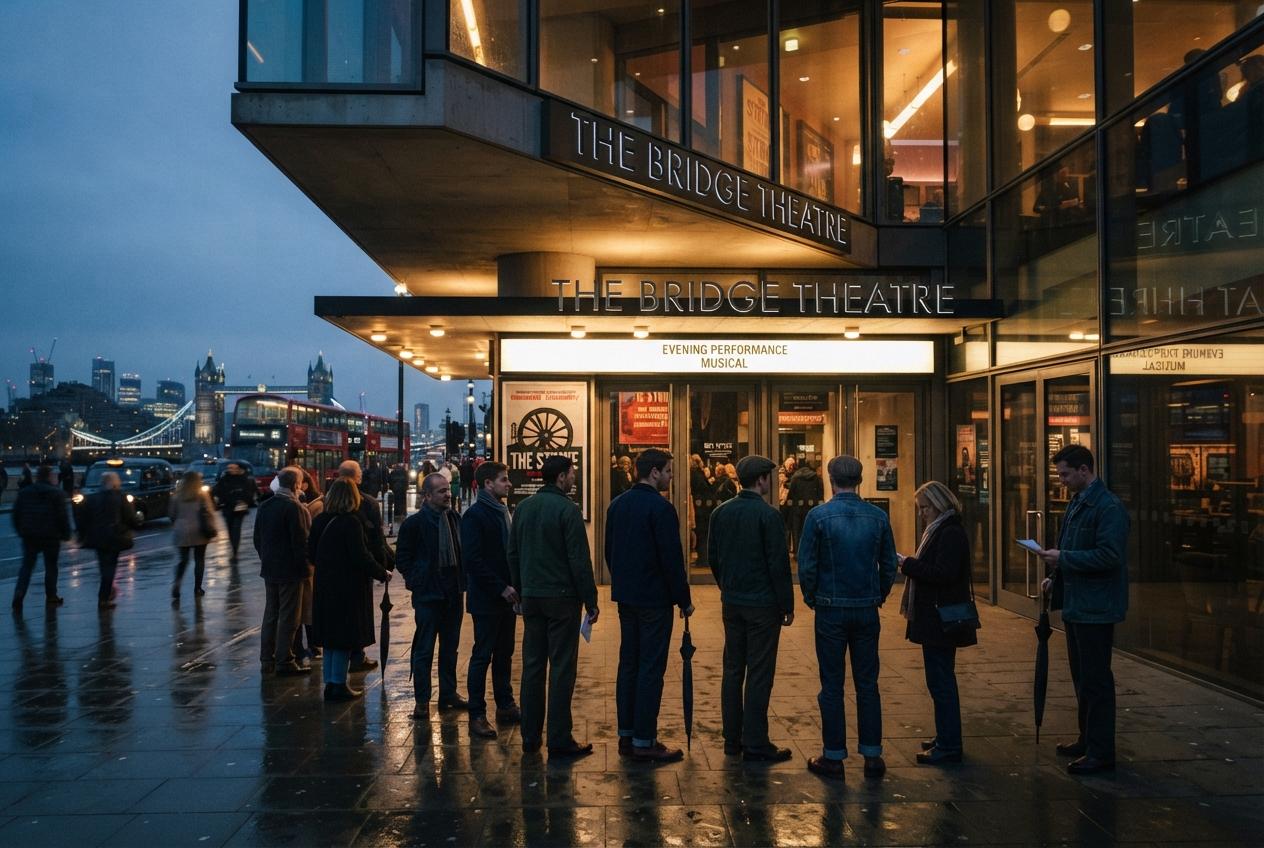
A real-life alliance between queer activists and striking miners is back in the spotlight as Pride the Musical reaches London’s Bridge Theatre. Rooted in the 1984–85 miners’ strike, the show follows Lesbians and Gays Support the Miners and the unlikely friendships built through its fundraising campaign. Its appeal lies not just in the music, but in a story of solidarity that still feels strikingly current.
A powerful story of solidarity takes centre stage
Pride the Musical brings together two communities that might not, at first glance, seem natural allies: gay activists and mining families caught up in a bitter industrial dispute. In 1984, Lesbians and Gays Support the Miners, known as LGSM, raised money for mining communities in Wales. The group’s history is documented by the Royal Commission on the Ancient and Historical Monuments of Wales and by LGSM itself. [2][3]
That real-life connection gives the musical its emotional charge. The story isn’t simply about a campaign raising funds; it’s about people making room for one another, then discovering that their struggles are connected. The miners’ strike lasted into 1985, but the friendships formed around the campaign left a legacy beyond the dispute. [2][3]
From screen story to stage musical
The musical grew from Stephen Beresford’s screenplay for the 2014 film Pride, directed by Matthew Warchus. Sony Pictures describes the film as being inspired by the true story of gay and lesbian activists who supported striking miners in 1984. [4]
Turning that material into a stage show means finding a different way to tell it. A musical can bring personal stories into the room through songs and performance, while still asking audiences to consider the history behind them. The production’s journey through Cardiff and the National Theatre before its London engagement reflects the continued interest in this unlikely alliance. [6][7]
Real people, real responsibility
The challenge of adapting true events is that some of the people involved are still here to see their lives represented. That calls for care, especially when the story includes painful experiences as well as moments of warmth and humour. The show’s creators have described it as an artistic interpretation rather than a documentary, a distinction worth keeping in mind when history meets the stage. [6][7]
One of the real people represented is Jonathan Blake, an activist and an early person in the UK to be diagnosed with HIV. HIV Story records his experiences and his work as an activist, offering a reminder that the musical’s characters are rooted in lives far bigger than any single performance. [5]
Why this story still resonates
Pride’s central idea is refreshingly simple: solidarity can start between people who don’t expect to agree, let alone become friends. The original LGSM campaign linked support for miners with the fight against discrimination, turning practical fundraising into a relationship between communities. [2][3]
That message has helped the story travel from film to theatre and into a new generation of audiences. When public conversation can feel divided into separate camps, watching people cross those lines is a welcome change of pace. And the history behind the musical shows that solidarity isn’t just a stirring word; it can mean showing up, raising money and building trust. [4][6][7]
A theatrical retelling, not a history textbook
For anyone seeing Pride the Musical, it helps to approach it as both entertainment and a prompt to learn more. The production gives the story a theatrical shape, while the historical record and LGSM’s own account offer a deeper look at the people and events that inspired it. [2][3][6]
If the show leaves you curious, start with LGSM’s history and the heritage account of the miners’ strike, then explore Jonathan Blake’s story through HIV Story. It’s a useful way to appreciate the performance while remembering that behind every song are real people and communities. [2][3][5]
Pride the Musical shows how one act of solidarity can keep finding new audiences.
Source Reference Map
Story idea inspired by: [1]
Sources by paragraph: