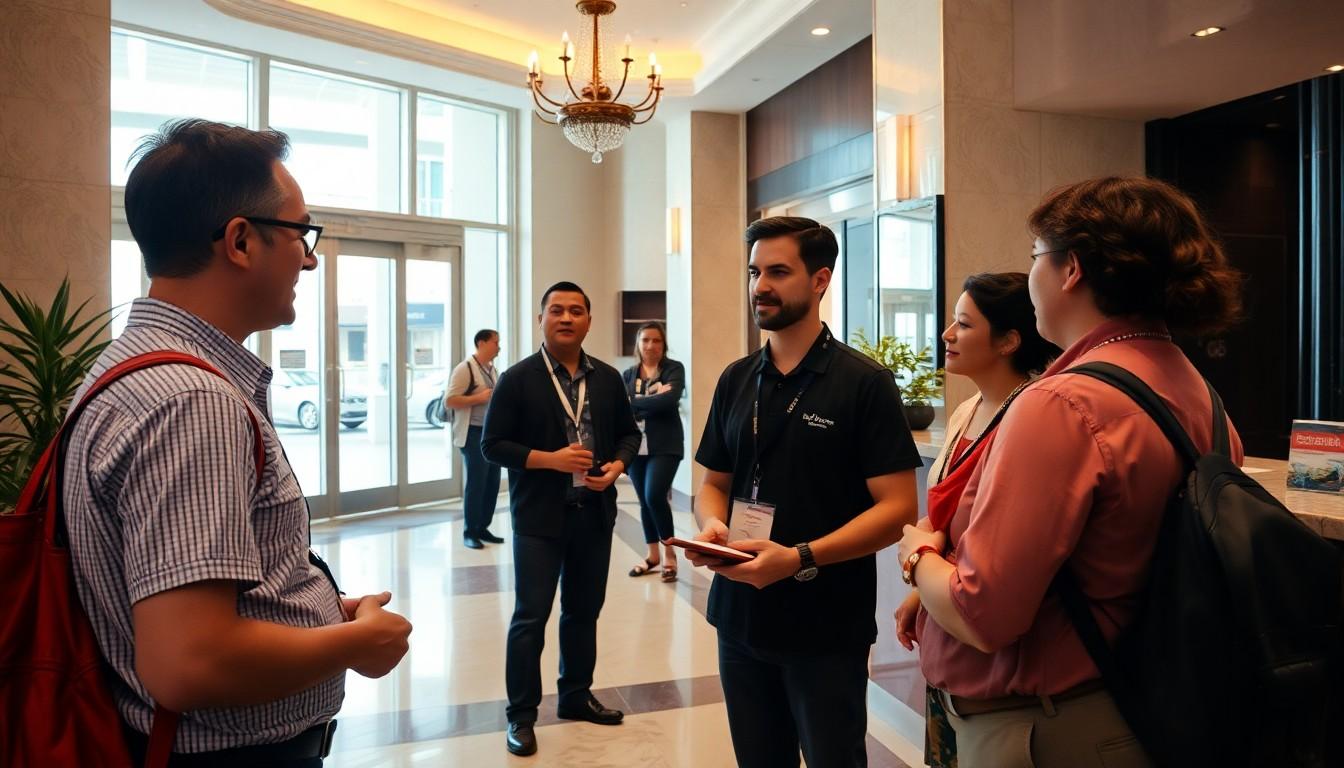
LGBT+ tourism is projected to grow into a US$521 billion market by 2031, but travellers aren’t choosing destinations on scenery alone. Research in Brazil points to a clear priority: feeling safe and respected, from the hotel reception desk to the restaurant table. For destinations hoping to attract these visitors, inclusion has to be part of the experience, not just the marketing.
Essential Takeaways
- A fast-growing market: LGBT+ tourism was valued at US$311 billion in 2024 and is forecast to reach US$521 billion by 2031.
- Welcome affects choices: In a Brazilian survey, 58% of LGBT+ travellers said a destination’s reputation for inclusion influences where they go.
- Poor treatment remains a concern: 44% of respondents said they’d encountered uncomfortable or discriminatory behaviour from hotel or restaurant staff.
- Local people matter: Miami tourism executive Dan Rios says residents are central to how a destination welcomes visitors.
- Recognition for inclusion work: Rios is set to receive the Cores do Turismo Award at Festuris in Gramado.
LGBT+ tourism is growing, but welcome matters
A destination can have a glossy campaign and a beautiful beach, but a traveller’s sense of safety may shape the trip more than either. That’s the tension behind a market forecast to rise from US$311 billion in 2024 to US$521 billion by 2031, according to figures from Grand View Research cited in PANROTAS LGBTravel.
The opportunity is substantial, but it comes with a practical test for tourism businesses: visitors need to feel respected throughout their stay. A welcoming message loses its shine quickly if the service at a hotel or restaurant makes someone feel singled out. [2], [4]
What Brazilian travellers say about inclusion
A survey presented at Brazil’s 10th International Diversity Conference offers a useful snapshot of how inclusion shapes travel decisions. It found that 58% of LGBT+ respondents considered a destination’s reputation for inclusion when choosing where to visit.
There’s a less comfortable finding, too: 44% said they’d experienced awkward or discriminatory treatment from hotel and restaurant staff. The figures don’t describe every traveller or every trip, but they make one point hard to miss: the everyday interactions of travel can matter as much as a destination’s public image. [3], [7]
Miami puts community at the heart of its welcome
Dan Rios, director of LGBT+ tourism marketing at the Greater Miami Convention & Visitors Bureau, works to connect destination promotion with the local community. The aim is to present Miami and Miami Beach as places where visitors can find experiences that respect different identities and ways of travelling.
That approach makes residents more than a backdrop in the marketing. Rios has said that people who live, work and spend time in Miami are among the destination’s strongest ambassadors. It’s a grounded idea: a warm welcome is more convincing when visitors encounter it in real life, not only in a campaign. [2], [6]
What makes a destination feel genuinely welcoming?
For travellers planning a trip, a destination’s reputation can be a helpful starting point, but it’s worth looking beyond a slogan or a single inclusion badge. Check whether hotels, restaurants and attractions explain their policies clearly, and look for practical information from local tourism organisations and community groups.
Booking platforms and destination guides can help with research, but no one source can guarantee how every interaction will feel. If something matters to your comfort, contact the accommodation or tour provider before booking and ask a specific question. A clear, thoughtful response can tell you more than polished promotional copy. [6], [7]
An award recognises work across the tourism industry
Rios is due to receive the Cores do Turismo Award at Festuris, the Gramado International Tourism Fair, scheduled for 12 to 15 November. The award recognises tourism professionals working to promote diversity, respect and inclusion across the industry.
The recognition also points to a wider challenge: inclusion can’t rest on one executive or one marketing team. It has to be reflected across the visitor journey, from the first booking enquiry to the final meal of the trip. For travellers, that consistency is what turns a welcome into something they can actually feel. [5]
A destination’s strongest invitation is simple: visitors should be able to enjoy the trip without having to hide who they are.
Source Reference Map
Story idea inspired by: [1]
Sources by paragraph: