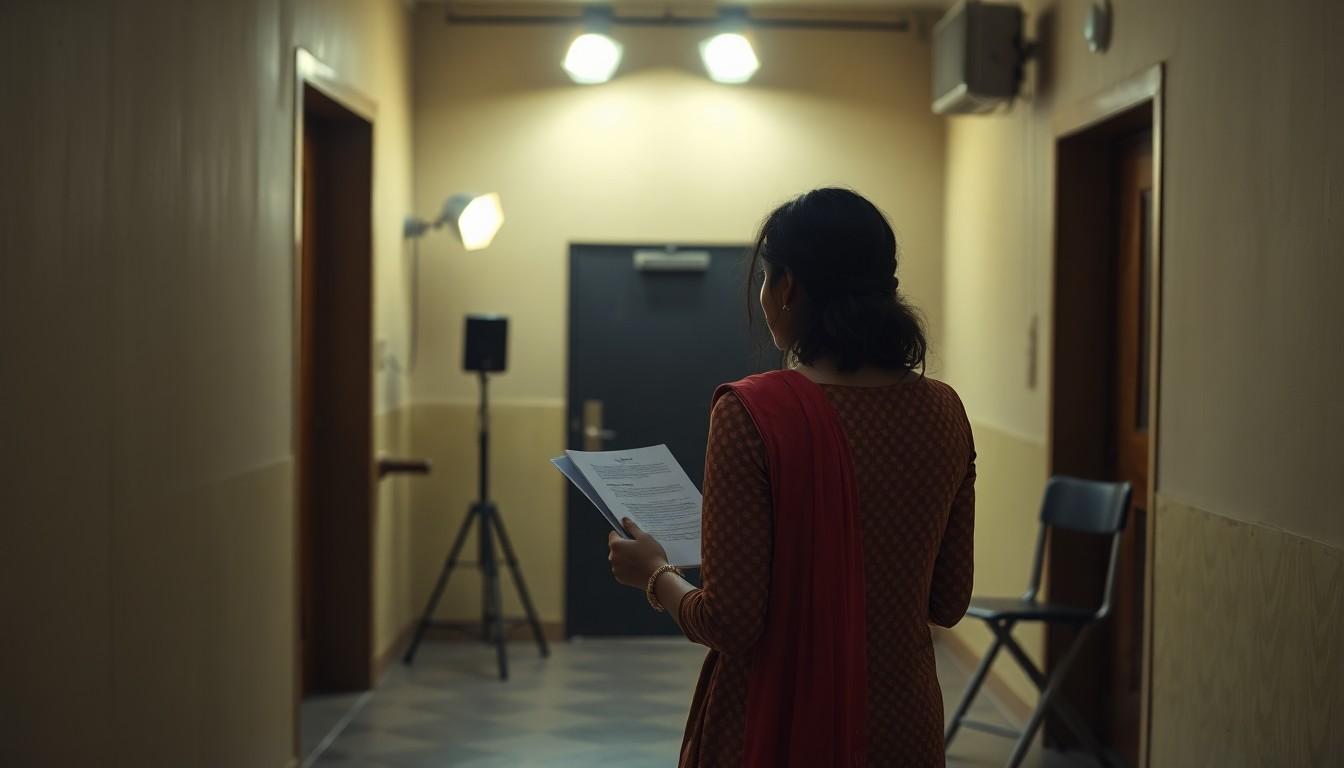
Jeeva’s work in Tamil film Dorothy puts a familiar question in sharp focus: when will transgender actors be judged for their craft, not only their identity? Her experience reflects a wider push in Indian cinema for meaningful roles and fair opportunities, so visibility can lead to lasting careers rather than being treated as a one-off milestone.
Jeeva wants to be seen as an actor
Jeeva has had to contend with a reality in which being transgender can overshadow her talent. Yet she’s clear that breaking barriers isn’t the only story she wants told: she wants audiences to notice her performances, her skill and the characters she brings to life. That’s a simple wish, but one the industry still needs to take seriously. (The Better India; The Times of India)
In Dorothy, her presence invites viewers to look beyond a label and towards the work itself. That shift matters. Representation is not just about appearing on screen; it’s also about having room to act, grow and be recognised as a professional. (The Better India; Silver Screen India)
Visibility is only the beginning
Transgender representation in Indian cinema has often been discussed in terms of who gets seen and how their identities are portrayed. But visibility alone doesn’t guarantee complexity, respect or opportunity. Reporting on transgender identities in Indian cinema has highlighted the gap between appearing in a story and being represented with care. (Outlook India; The Indian Express)
That distinction is especially important for performers. When a role is treated as a rare exception, the actor can be asked to carry the weight of representation as well as the demands of the character. A healthier screen culture would make space for transgender performers across a wider range of stories, rather than expecting each appearance to prove that they belong. (Silver Screen India; Outlook India)
What Dorothy says about Tamil cinema
Dorothy has also become part of a broader conversation about queer stories in Tamil cinema and how audiences respond to them. The discussion around the film shows that representation can prompt strong reactions, but it also makes clear why filmmakers and viewers need to engage with these stories thoughtfully. (The New Indian Express; The Better India)
There’s a useful difference between a film simply including a queer character and giving that character a story with emotional substance. As Indian films continue to explore LGBTQIA+ lives, the choice of roles, the quality of the writing and the care behind the portrayal all shape what audiences take away. (South First; Outlook India)
A fairer path for transgender actors
For viewers, one practical way to support better representation is to talk about performances as performances. Praise the acting, discuss the character and share work that makes room for transgender artists without reducing them to a headline about identity. It’s a small change in conversation, but it helps put the craft where it belongs. (The Better India; The Times of India)
For the industry, the challenge is bigger: offer meaningful roles, fair access to auditions and the chance to build a career over time. Jeeva’s story is a reminder that inclusion shouldn’t depend on an actor repeatedly proving they deserve a place on screen. (Silver Screen India; The Indian Express)
The next step is letting talent lead
A stronger screen industry won’t be measured only by how many transgender actors appear in a film. It will also be measured by whether they get varied roles, thoughtful scripts and recognition for their work. That’s a more lasting kind of representation, and one audiences can help champion by looking beyond the label to the performance. (Outlook India; South First)
Closing Line
Watch the performance, celebrate the craft and keep asking for stories with room for everyone.
Source Reference Map
Story idea inspired by: [1]
Sources by paragraph: