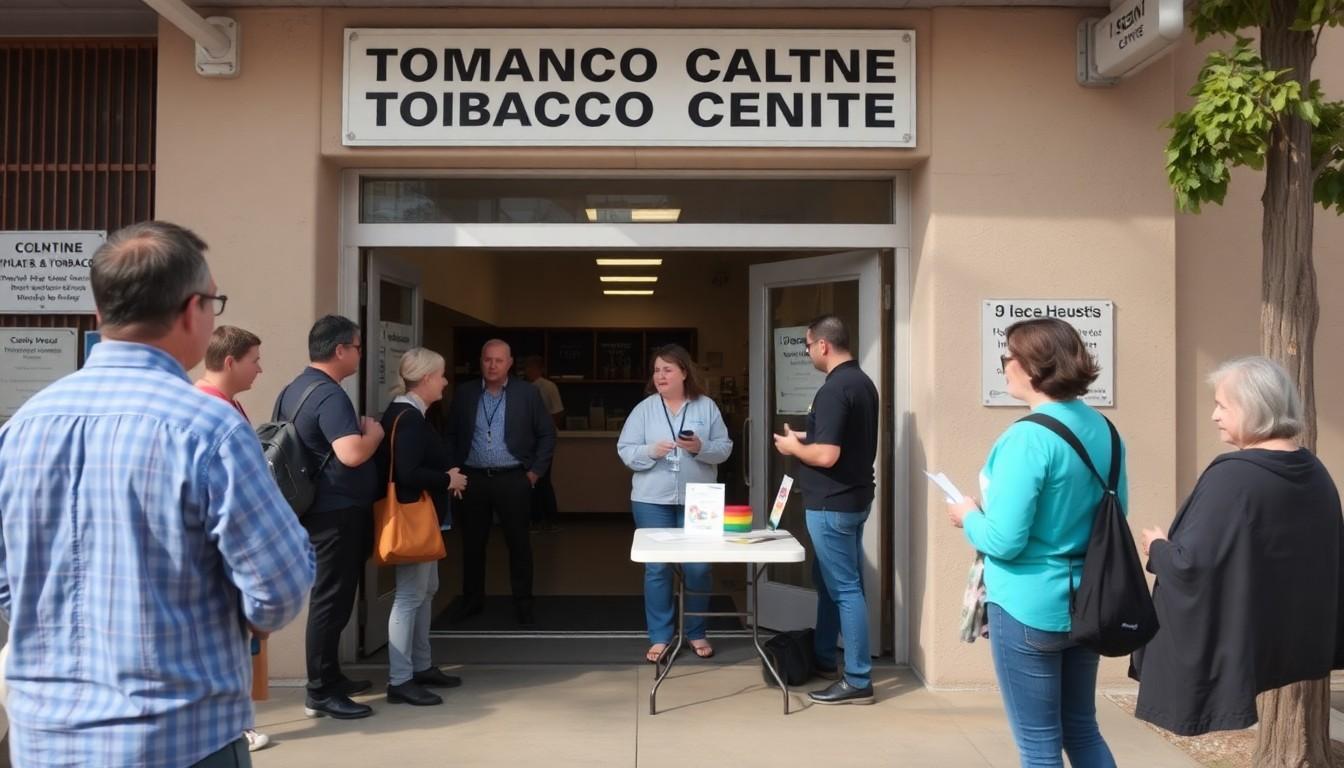
People trying to quit smoking can face more than nicotine cravings, especially when healthcare feels unwelcoming or everyday needs take priority. In Los Angeles County, The Quit Alliance is training healthcare workers and community organisations to offer LGBTQ+-affirming support, practical quit-smoking advice and links to further help. The approach matters because quitting is easier to consider when care feels safe and realistic.
A more welcoming route to quitting
The Quit Alliance is bringing smoking cessation support into clinics and community organisations across Los Angeles County. Its aim is to help LGBTQ+ residents access evidence-based guidance without stigma, while recognising that discrimination and other pressures can make quitting harder. (Sources: Cedars-Sinai; The Quit Alliance.) [2], [3]
Rather than relying only on specialist appointments, the programme trains nurses, medical assistants, case managers and outreach workers to raise tobacco use in everyday conversations. That could mean a gentle check-in during an appointment, rather than a lecture that leaves someone feeling judged. (Sources: Cedars-Sinai; The Quit Alliance.) [2], [3]
Why inclusive care can make a difference
The training covers nicotine dependence and its health effects, alongside factors that may influence tobacco use, including minority stress, housing insecurity and negative experiences with healthcare. It’s a useful reminder that quitting isn’t simply a matter of willpower; circumstances and trust matter, too. (Sources: Cedars-Sinai; LGBTQ+ inclusive tobacco-control report.) [2], [7]
Staff practise a straightforward approach: ask about tobacco use, offer advice without judgement, then refer people who want more help. Role-playing helps workers prepare for conversations with people who have relapsed, felt unwell using nicotine replacement products or aren’t ready to quit just yet. (Sources: Cedars-Sinai; The Quit Alliance.) [2], [3]
What support can people access?
The alliance also runs community workshops covering quit plans, triggers, withdrawal and medical options, including cessation medicines and nicotine replacement patches or lozenges. For personalised guidance and support, Californians can contact Kick It California, which offers help with quitting tobacco. (Sources: Cedars-Sinai; Kick It California.) [2], [4]
Los Angeles County also publishes a directory of tobacco cessation resources, giving residents another way to look for local support. Availability and suitability can vary, so it’s sensible to ask a healthcare professional or cessation service about options that fit individual needs. (Sources: LA County Public Health; Kick It California.) [4], [5]
Quitting advice works better when life is considered
For some people, tobacco use sits alongside urgent concerns such as housing, food access or mental health. The Quit Alliance works with community partners to connect clients with these wider forms of support, recognising that a quit plan can be difficult to follow when basic needs are unsettled. (Sources: Cedars-Sinai; The Quit Alliance.) [2], [3]
The project also backs community education and advocacy for smoke-free shared spaces, workplaces and public settings. That broader work matters because reducing exposure to second-hand smoke can benefit people who don’t use tobacco as well as those trying to quit. (Sources: Cedars-Sinai; LGBTQ+ inclusive tobacco-control report.) [2], [7]
A practical first step, without pressure
If you’re thinking about quitting, you don’t need to have a perfect plan before asking for help. A healthcare provider, community organisation or cessation service can talk through possible approaches, including counselling and medication, and help you decide what feels manageable. (Sources: Kick It California; LA County Public Health.) [4], [5]
The Quit Alliance’s model puts that conversation closer to where people already receive care and community support. It’s a small but meaningful shift: less judgement, more practical help, and room to take things one step at a time. (Sources: Cedars-Sinai; The Quit Alliance.) [2], [3]
A supportive conversation can be a good place to start.
Source Reference Map
Story idea inspired by: [1]
Sources by paragraph: