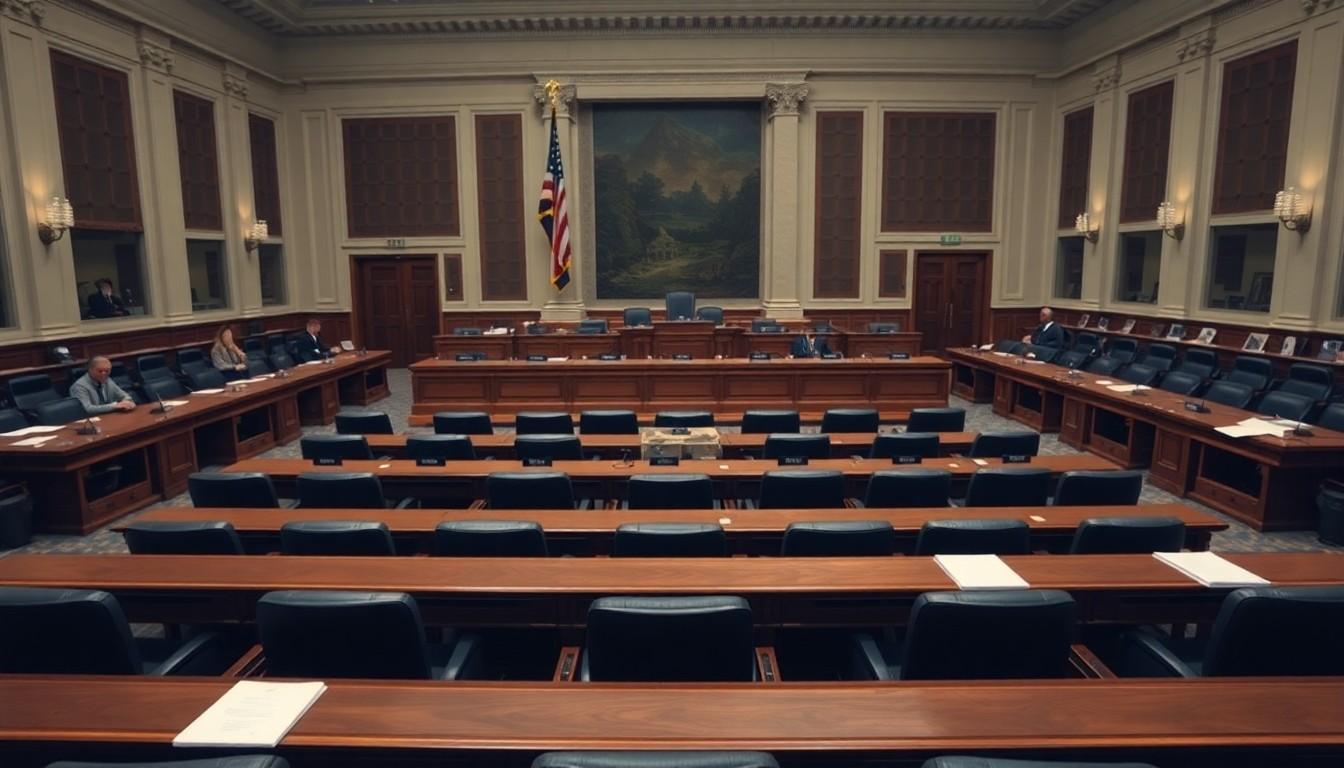
A possible Democratic midterm wave could give the party new power to investigate the Trump administration, with LGBTQ+ rights and HIV funding among the issues at stake. The White House ballroom may grab the cameras, but the larger test would be whether Congress can trace decisions, question officials and make government answer for its actions.
The ballroom may be the spectacle, but oversight is the point
The proposed White House ballroom is a striking target for congressional scrutiny: it has a visible footprint, a cost and a donor list. But a Democratic House majority could investigate far more than construction, including how the project is funded and what donors might expect in return.
FactCheck.org has examined questions about who is paying for the ballroom, while the Associated Press has reported on a court ruling related to the project. An investigation could demand answers, but it wouldn't stop work already under way or automatically undo approvals.
That distinction matters. The ballroom could draw attention, but hearings into military policy, HIV programmes and federal recognition of transgender people would carry greater consequences for people's lives.
Military policy raises questions for LGBTQ+ service members
A 2025 executive order on military service described transgender identity as incompatible with an "honorable, truthful, and disciplined lifestyle". The language, set out in the White House order, gives Congress a concrete place to start: how the directive was written, how the military applied it and what effects it had on service members.
Those questions aren't answered simply by holding a hearing. Legislators would need records, testimony and evidence that could withstand challenge. For people whose careers are affected, though, having decisions examined in public could be meaningful in its own right.
PEPFAR offers a test of where HIV funding went
The President's Emergency Plan for AIDS Relief, or PEPFAR, was created under President George W. Bush to support the global response to HIV and AIDS. The Health Resources and Services Administration describes it as a US government programme, making funding decisions and their implementation a potential focus for congressional oversight.
The practical questions are straightforward, if not necessarily easy to resolve: which funds were approved, where they went and whether services were delivered. Following that trail could help establish what happened to a programme's resources, though an inquiry alone wouldn't restore any disrupted support.
A committee gavel brings power, not instant change
House Democrats have highlighted Representative Robert Garcia's role on the Oversight Committee. If Democrats took control of the House, leadership of the committee could give him a stronger platform to demand documents and question officials.
But investigations take patient work. Records must be preserved and collected; witnesses must be questioned; and findings need to stand up to scrutiny after the cameras move on. A memorable hearing may travel widely, but the paperwork is what can show how a decision was made and who was responsible.
The midterm outcome would still set limits
A Democratic victory wouldn't reverse every policy. The president would retain executive powers, including the veto, while control of the House, Senate and nominations process would shape what Congress could do next.
That makes the choice of priorities important. Oversight can clarify what happened, and spending negotiations can influence what gets funded, but neither guarantees that a programme or protection will be restored. For LGBTQ+ Americans, representation at the committee table would matter; the harder measure would be whether federal institutions become more accountable in practice.
A stronger Congress could ask sharper questions, but answers and lasting change would still take work.
Source Reference Map
Story idea inspired by: [1]
Sources by paragraph: