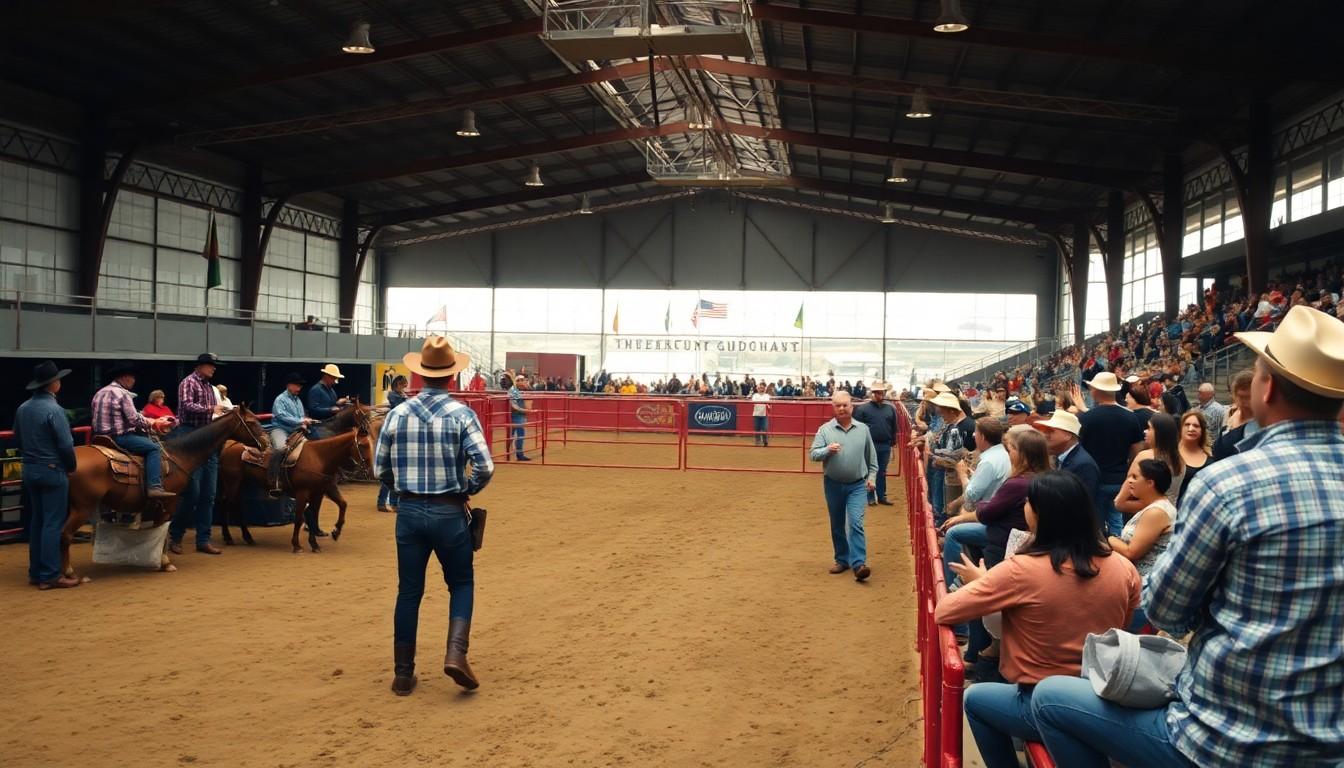
Gay rodeo has spent decades bringing LGBTQ+ people and western traditions together, creating a place where competition, community and self-expression can share the same arena. From its roots in the 1970s to today’s events, its story offers a fresh view of who gets to belong in rodeo culture.
Gay rodeo makes room for a different kind of western tradition
A rodeo arena is all dust, noise and split-second nerve. Gay rodeo adds another layer: the chance to take part without being asked to leave part of yourself at the gate. Its history reaches back around 50 years, with events helping LGBTQ+ cowboys and cowgirls build community through a sport often associated with narrow ideas of western identity.
That welcome doesn't mean the competition is any less real. Riders and ropers still need skill, grit and practice; the difference is that the arena has made space for people who haven't always felt at home in mainstream rodeo circles. [2], [5]
From early gatherings to an organised circuit
The International Gay Rodeo Association, or IGRA, describes its mission as promoting the sport and preserving western heritage while supporting an inclusive community. That combination matters: gay rodeo isn't simply a themed event, but an organised sporting tradition with its own history and network.
Reno's event illustrates how that tradition has endured. Nevada coverage has traced the rodeo's past and its return, showing how local gatherings can carry both sporting purpose and community significance. [2], [3], [4]
The events challenge expectations, not just stereotypes
Gay rodeo has also made room for events that sit alongside familiar rodeo contests, reflecting a culture shaped by participants rather than by one fixed image of a cowboy. That variety helps explain the appeal: people can come for the competition, the atmosphere, or the chance to see a broader version of western life.
Researchers and historians have increasingly documented queer cowfolk and the sport's less visible past. A University of Idaho publication and a collection of primary sources held by the Autry Museum offer ways to explore that history beyond the arena itself. [5], [6]
What newcomers should know before attending
If you're thinking of going, start with the event's schedule and venue details. Rodeo programmes can include different contests and activities, so check what is on, whether tickets are needed and what the organisers say about access, seating and weather. A hat and water are sensible choices for a warm outdoor day.
Most of all, arrive ready to watch rather than assume. The atmosphere may feel more like a community gathering than a conventional sports fixture, but the contestants are there to compete. A little curiosity goes a long way, and the best way to understand the sport is to see the skill up close. [2], [3]
The history is still being brought into view
The story continues to attract attention from historians and journalists. A 2025 KJZZ feature followed a professor who found community in gay rodeo and later compiled material about its history, a reminder that personal experience and sporting archives can illuminate each other.
That work matters because communities are often remembered through the records they leave behind. Gay rodeo's history is not only about challenging stereotypes; it's also about people building a place to compete, gather and be recognised on their own terms. [6], [7]
It's a western tradition with room for more than one kind of cowboy.
Source Reference Map
Story idea inspired by: [1]
Sources by paragraph: