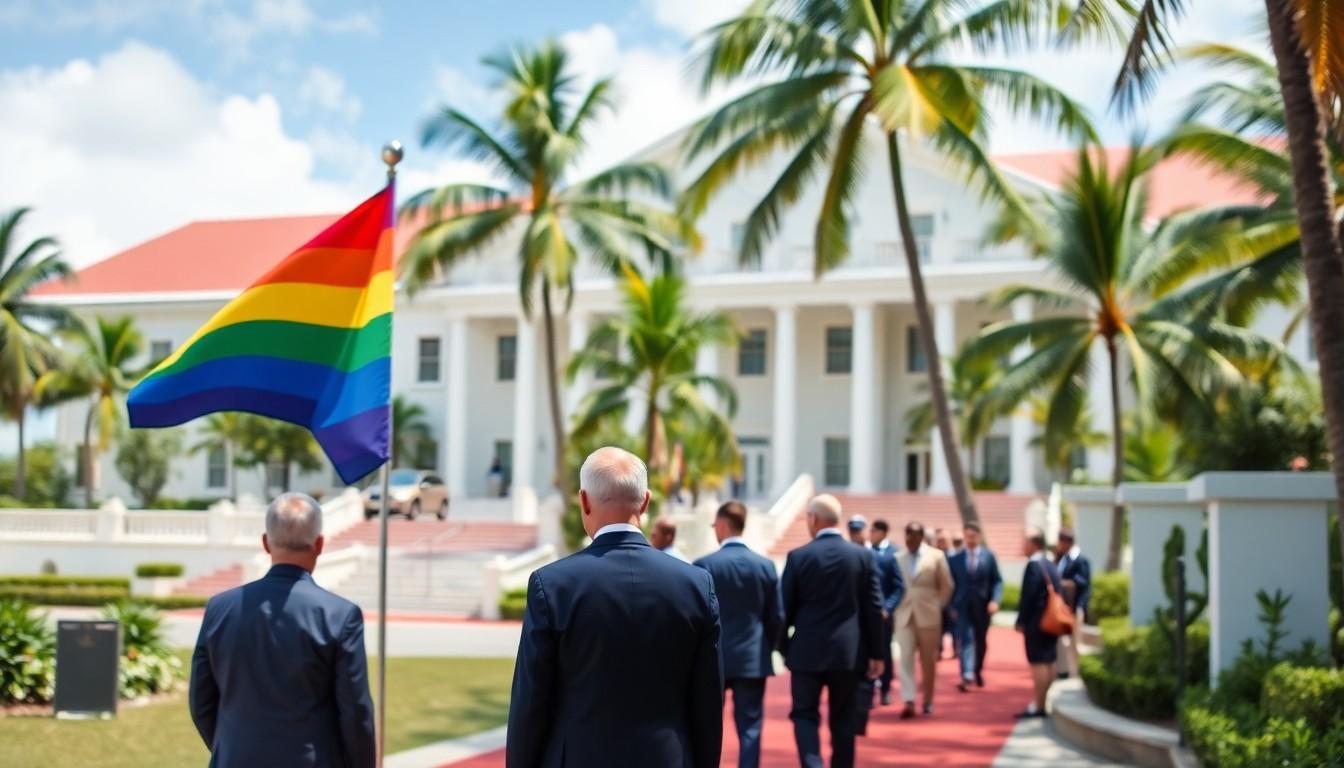
MPs are urging the UK Government to make LGBTQ+ equality a priority at the next Commonwealth summit. With criminal penalties for same-sex relationships still in force in many member states, the call raises a pressing question: can diplomatic pressure help shift laws that put people at risk?
The Commonwealth summit is becoming a test of leadership
A cross-party group of MPs wants the UK to use the next Commonwealth Heads of Government Meeting to press member states to repeal laws targeting same-sex relationships. The summit is scheduled for 1 to 4 November 2026 in Antigua and Barbuda, giving the Government a high-profile opportunity to raise the issue with leaders from across the association. [4], [6]
Liberal Democrat MP Ben Maguire has tabled an Early Day Motion and helped organise a cross-party letter to the Prime Minister and Foreign Secretary. The message is that human rights and dignity should be upheld in practice, not just praised in principle. [3], [4]
Criminalisation remains widespread
Consensual same-sex relationships are criminalised in 29 of the Commonwealth's 56 member countries, according to the campaigners' appeal. The laws and penalties vary, but in some places people can face long prison sentences, and in a small number of jurisdictions the death penalty may apply. [4], [5]
The Human Dignity Trust's country-by-country tracking illustrates how uneven legal protections remain across the Commonwealth. For LGBTQ+ people living under these laws, the consequences are not abstract: legal risk can shape everyday choices about safety, privacy and whether to seek help. [5], [7]
Why the cross-party approach matters
Maguire has welcomed support from MPs across the Commons, framing the campaign as a human rights issue rather than a party-political contest. That breadth could help make the request harder to dismiss as a narrow political gesture, although the motion's early support remains limited. [3], [4]
An Early Day Motion records MPs' views and can draw attention to an issue, but it doesn't itself change the law or compel ministers to act. The cross-party letter and the upcoming summit therefore matter as parallel routes: one builds public parliamentary backing, while the other creates a diplomatic moment to raise the issue directly. [3], [7]
What the UK can ask for at CHOGM
The letter calls on the UK Government to encourage states that criminalise or discriminate against same-sex relationships to reconsider their laws and policies. In practical terms, the clearest outcome would be public commitments to review or repeal those laws, followed by steps that can be checked after the summit. [4], [6]
For readers following the issue, the useful signals will be whether LGBTQ+ rights feature in the summit's official discussions, whether leaders make specific commitments, and whether progress is reported afterwards. Diplomatic language can sound polished; follow-through is what gives it weight. [6], [7]
A chance to turn words into action
The campaign arrives amid a stark divide between the Commonwealth's stated values and the legal reality faced by LGBTQ+ people in some member countries. The summit won't resolve that divide by itself, but it gives UK ministers a clear platform to raise it with fellow leaders. [4], [5], [6]
Maguire has argued that silence is no substitute for leadership. The next test is whether the Government uses the meeting to seek concrete commitments, rather than allowing a difficult conversation to fade once the cameras have moved on. [4], [6]
It's worth watching what leaders promise, and what happens after they leave the summit.
Source Reference Map
Story idea inspired by: [1]
Sources by paragraph: