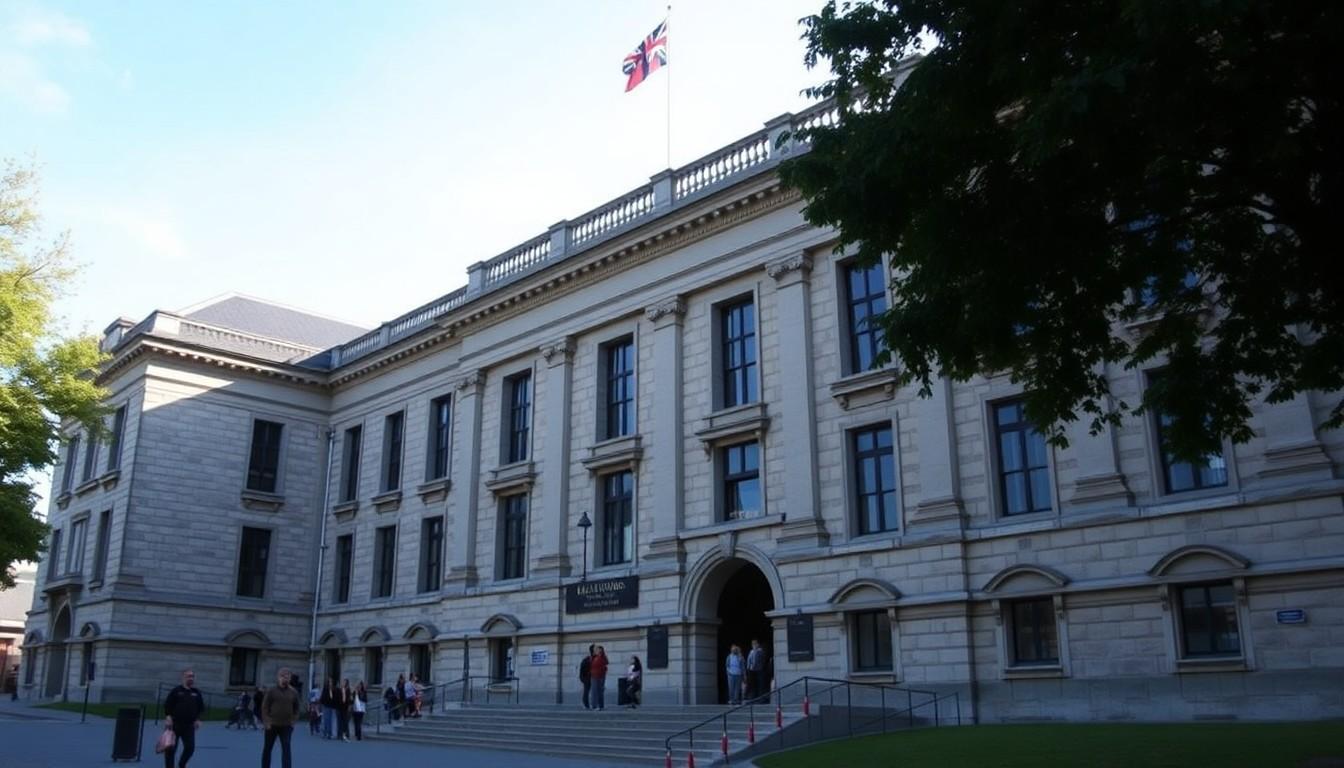
Tasmanian MPs have backed a landmark conversion practices ban in the lower house, bringing the state closer to outlawing attempts to change or suppress sexual orientation or gender identity. The bill now heads to the upper house, where survivors and advocates are watching closely after years of campaigning.
Essential Takeaways
- Lower house backing: The bill passed on the voices, with support from Labor, Greens, several independents and three Liberal MPs.
- What it targets: Practices intended to change, suppress or eradicate someone’s sexual orientation or gender identity.
- Why it matters: Research has linked conversion practices with serious psychological harm and increased suicide risk among young queer people.
- What remains lawful: The bill excludes religious prayer, online discussion, some healthcare and ordinary conversations between parents and children.
- Next step: Tasmania’s upper house must consider the legislation before it can become law.
A major step for Tasmania’s LGBTIQA+ community
Tasmania’s lower house has taken a decisive step towards banning conversion practices, after nearly 20 hours of debate and years of campaigning. The Greens-backed legislation passed without a formal division, reflecting support across much of the chamber, including from Premier Jeremy Rockliff and Liberal MPs Bridget Archer and Roger Jaensch.
For survivors, the moment carried more than parliamentary significance. Campaigners described it as a long-awaited recognition of experiences that have often been hidden behind euphemisms and misplaced claims of therapy. The legislation would make Tasmania one of the strongest jurisdictions in Australia on this issue. According to ABC News, only Western Australia and the Northern Territory would still lack a ban if the bill clears the upper house. [2], [6]
The proposed law follows a Tasmanian Law Reform Institute recommendation made four years ago. That delay has added emotional weight to the vote, particularly for people who shared deeply personal accounts to support the campaign. [3], [4]
What does the bill actually ban?
The legislation focuses on efforts to change, suppress or eliminate a person’s sexual orientation or gender identity. That can include practices presented as counselling, spiritual guidance or treatment, but which are directed at making someone heterosexual or cisgender rather than accepting who they are.
The wording matters because the debate has included claims that the bill could criminalise ordinary religious belief, family conversations or professional healthcare. The bill specifically states that religious prayer, online debate, appropriate health services and parents discussing identity, sexuality or religion with their children aren't automatically conversion practices. [5], [7]
That distinction will be central as the legislation moves through the upper house. A law needs to protect people from coercive and harmful conduct without making everyday discussion impossible, and supporters argue the current wording is designed to draw that line. The practical test will be how clearly the final law is understood by survivors, families, faith communities and professionals. [5], [7]
Survivors say the harm is real and lasting
Research from La Trobe University found that one in 20 young queer Tasmanians had experienced conversion practices. The same research linked those experiences with a higher risk of suicide, underlining why campaigners have treated the bill as a public health measure as well as a human rights reform. [2], [3]
Rodney Croome of Equality Tasmania said survivors had spoken publicly about traumatic events to help secure the legislation. His comments captured the personal cost behind the parliamentary process: people weren't simply arguing over policy, but revisiting experiences that had shaped their lives.
Stories from Australians who underwent so-called conversion therapy have reinforced that point. They described practices that offered little of the care or safety implied by the word therapy, leaving many with distress rather than resolution. [3], [4]
Cross-party support, but a heated debate
The lower house debate wasn't without resistance. Opponents, including Treasurer Eric Abetz and Deputy Premier Guy Barnett, called the proposal overreach, while Women Speak Tasmania argued that it threatened freedom of speech and should have been examined by a parliamentary committee.
An attempt by independent Bass MP George Razay to delay the vote for further committee scrutiny was defeated. Several amendments were nevertheless made, including the removal of a provision that could have made employers responsible for offences committed by employees unless they could show they had no way of knowing about or preventing them. [2], [6]
The passage on the voices is politically significant, too. It suggests the bill has moved beyond a narrow party-line dispute, even though disagreement remains. Rockliff gave Liberal MPs a conscience vote and said Tasmania had taken a meaningful step forward for victim-survivors. [2], [6]
What happens next?
The bill now goes to Tasmania’s upper house, where it will face further scrutiny before any ban can take effect. Supporters are hoping the lower house result will demonstrate that the proposal has broad, mainstream backing rather than being an extreme or hurried measure.
For families, practitioners and community groups, the upper-house stage will be about detail as much as principle. They’ll be looking for clarity around prohibited conduct, exemptions and how complaints or offences would be handled in practice. [5], [7]
The wider Australian picture is also shifting. Western Australia has made repeated commitments to introduce a ban, while Tasmania’s progress adds pressure for the remaining jurisdictions to act. For survivors, though, the immediate focus is closer to home: seeing a promise finally become enforceable protection. [2], [6]
Tasmania’s next vote could determine whether that promise becomes law.
Source Reference Map
Story idea inspired by: [1]
Sources by paragraph: