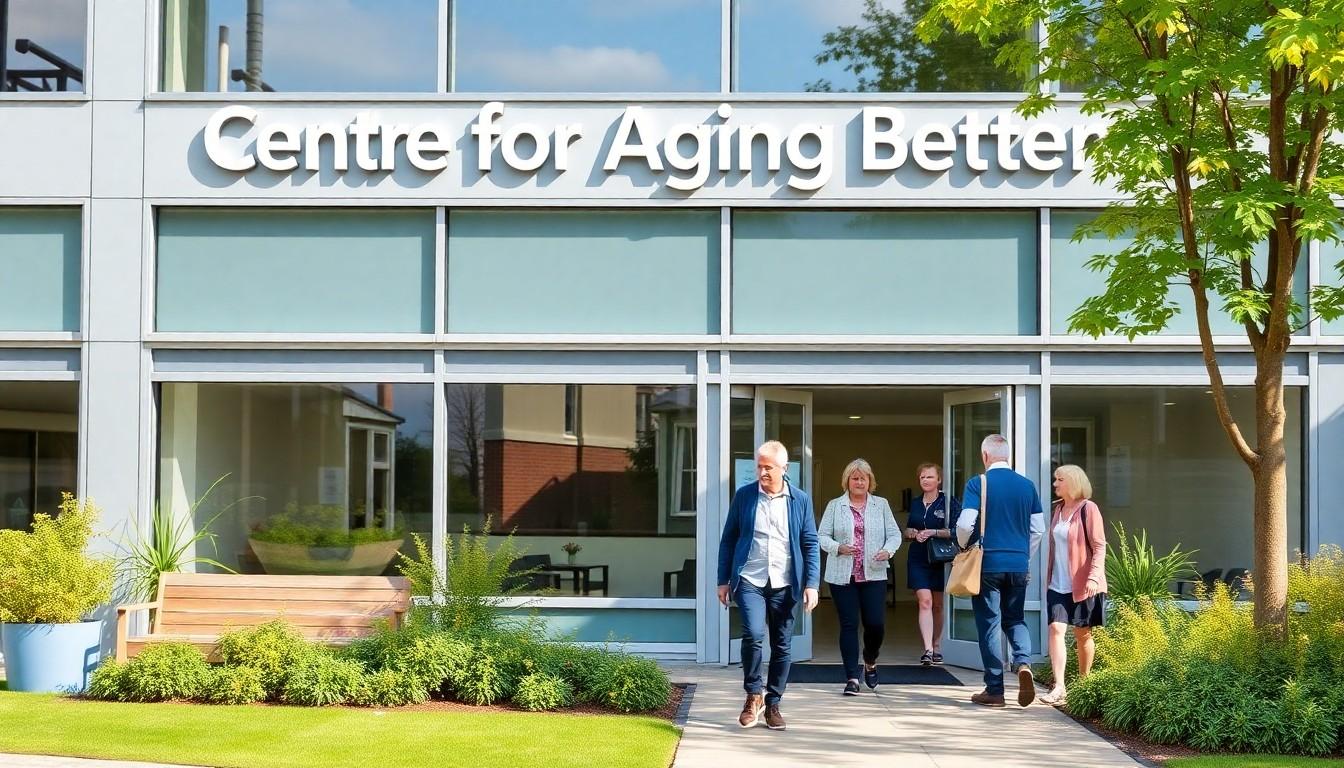
A new Centre for Ageing Better resource is shining a light on older LGBTQ+ people across the UK, showing how health, care, housing, money, work and social connection can shape later life. The message is clear: better data and more inclusive services are needed so people aren't quietly overlooked as they age.
Essential Takeaways
- Visibility matters: Older LGBTQ+ people are often missing from ageing data, policy discussions and service planning.
- Inequalities overlap: Health, care, housing, finances and community ties can all be affected by discrimination and disadvantage.
- Past experiences count: Fear of stigma may make some people cautious about revealing their identity to professionals.
- Services need context: Inclusive care means understanding different lives, relationships and support networks.
- Better evidence is the starting point: More reliable data could help shape fairer policy and practice.
Older LGBTQ+ people are too often missing from the ageing conversation
Ageing policy can sound universal, but later life doesn't look the same for everyone. The Centre for Ageing Better's spotlight on older LGBTQ+ people argues that a lack of visibility in official data and public debate can leave important needs unrecognised.
That absence has practical consequences. If services don't know who they're supporting, or fail to ask the right questions, they may plan around an incomplete picture. As the Centre for Ageing Better explains, older LGBTQ+ people can face inequalities across health, social care, housing, employment, finances and community life.
The result is a familiar but troubling pattern: people are technically included in broad ageing strategies, yet their specific experiences remain easy to miss.
Health and care can carry the weight of earlier discrimination
Health inequalities in later life rarely appear out of nowhere. Research on older LGBTQ+ people in the UK has linked poorer outcomes and unmet care needs to a mixture of discrimination, social isolation, financial pressure and difficult experiences with services.
For some people, the problem isn't simply whether support exists. It's whether they feel safe using it. A lifetime of prejudice, or previous encounters with professionals who lacked understanding, can make disclosure feel risky even when someone needs help.
A systematic review published in Ageing and Society underlines why a one-size-fits-all approach can fall short. Care workers don't need to make assumptions, but they do need to create an atmosphere where people can talk openly about partners, families, identities and past experiences.
Housing, money and work shape later life too
The spotlight reaches beyond medical care, and that's important. Secure housing, a stable income and meaningful work or volunteering can make a major difference to wellbeing, yet LGBTQ+ people may enter later life with fewer financial resources or weaker formal support.
Some older LGBTQ+ people may not have children or traditional family networks to rely on. Others may have experienced workplace discrimination, relationship breakdown, housing insecurity or estrangement. These factors can compound one another, leaving someone more exposed when illness, bereavement or rising living costs arrive.
Research in gerontology and social policy also points to the importance of social connections. A person might have a rich network of friends and chosen family, but services may not always recognise those relationships as central to care planning. That can feel not only inconvenient, but deeply personal.
Chosen family should be treated as real support
Community connections can be a powerful source of resilience. Friends, partners, neighbours and LGBTQ+ groups may provide practical help, companionship and emotional reassurance, particularly for people who have experienced rejection from relatives or institutions.
Yet support systems aren't automatically permanent. Friends may become unwell themselves, move away or struggle financially. That's why services need to avoid assuming that everyone has a dependable family network, while also avoiding the opposite mistake of treating LGBTQ+ people only through a lens of vulnerability.
Studies of ageing and LGBTQ+ communities suggest that identity, relationships and social support are closely connected. Good practice starts with curiosity and respect: ask who matters to the person, who should be involved, and what support already works.
Better data could lead to fairer services
The Centre for Ageing Better's recommendations focus on changing how older LGBTQ+ people are counted, understood and included. Improving data collection is hardly glamorous, but it can be the difference between a need being visible and disappearing into a national average.
Research also shows why detail matters. Older LGBTQ+ people aren't one uniform group, and experiences can differ according to sexuality, gender identity, race, disability, income, location and age. Collecting information carefully, confidentially and respectfully is therefore essential.
There is a human point behind the statistics. People shouldn't have to become invisible in order to receive ordinary, dignified support. More inclusive questions, better staff training and stronger community partnerships could help turn that principle into everyday practice.
The next step is making inclusion routine
The new resource offers a useful prompt for councils, care providers, health services and organisations working with older people. Inclusion shouldn't depend on one enthusiastic staff member or a specialist project; it needs to be built into assessment, commissioning, training and accountability.
For individuals and families, the practical lesson is equally straightforward. When choosing a service, it can help to ask how it supports LGBTQ+ residents, whether staff receive relevant training, and whether partners or chosen family are welcomed in care discussions.
The wider ageing sector is gradually building a stronger evidence base, but the work is far from finished. As one line of research makes clear, being counted is only the beginning; being understood is what makes support meaningful.
A more visible later life can help make care safer, fairer and more human.
Source Reference Map
Story idea inspired by: [1]
Sources by paragraph: