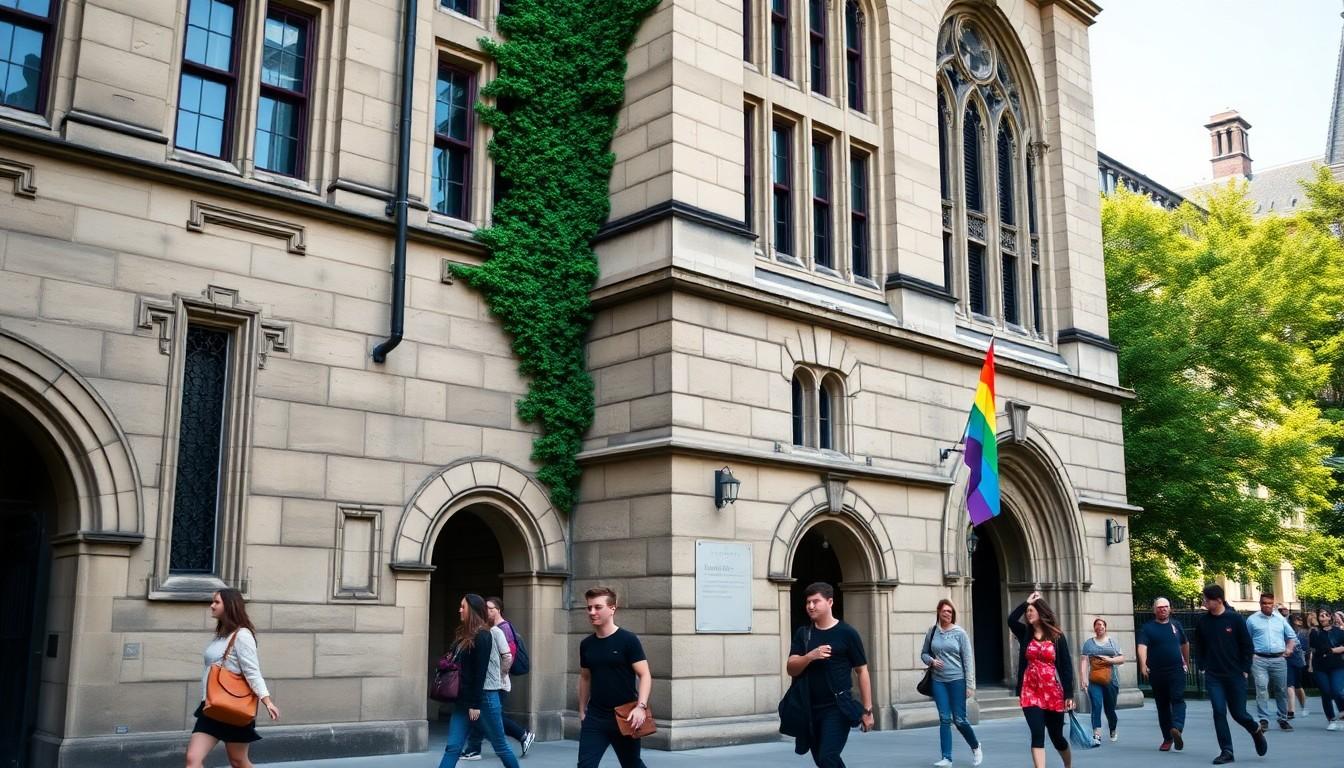
Listeners are about to hear the lost story of Terry Stokes, a University of Melbourne postgraduate arrested after kissing his boyfriend in public in 1979. A new episode of the student podcast Uncurated explores his eviction, the student protest that followed and why queer history still matters when hard-won rights remain contested.
Essential Takeaways
- A forgotten case: Terry Stokes was a 26-year-old postgraduate student when his public kiss led to arrest and wider scrutiny.
- Students pushed back: Around 100 students staged a kiss-in, while other protests targeted his accommodation and university authorities.
- Archives reveal the detail: Researchers drew on confidential university records, student organisations and historical collections.
- The wider lesson: Collective action helped secure Stokes' reinstatement and contributed to changes in university policy.
A kiss that became a public case
In the late 1970s, an ordinary display of affection became anything but ordinary for Terry Stokes. The University of Melbourne postgraduate was arrested after kissing his boyfriend outside a bar, turning a private moment into a confrontation over policing, university authority and gay rights.
The episode is especially striking because the setting was a university, a place that might be expected to protect debate and individual freedom. Instead, archival records show how discrimination could reach into student accommodation, social life and institutional decision-making. The university's historical resources document the case alongside broader debates about homosexuality on campus. (According to the University of Melbourne Archives, the Stokes case remains part of its research guide on homosexuality and the university.) [2], [3]
That contrast gives the story its emotional force. A kiss sounds soft and fleeting, yet this one exposed a much harder system around it.
The archive held more than a headline
Uncurated's fourth season episode, released on 3 November, follows Stokes' experience through material found in the University of Melbourne archives. Executive producer Michael Saliba, a gay postgraduate student at the university, said the story resonated because Stokes was the same age he is now when the events unfolded.
The research reportedly included a highly confidential file of roughly 50 pages, alongside work by historians examining queer life and activism at the university. Those records help move the story beyond a simple arrest narrative, showing how accommodation rules, student welfare and institutional prejudice collided. [2], [4]
Historical collections are rarely tidy. They contain formal complaints, meeting notes and administrative language that can feel dry on the page, but together they reveal who had power and who was prepared to challenge it. Related university collections also preserve material about student organisations and queer activism, giving the case a wider social backdrop. [4], [7]
Students turned outrage into action
Stokes' eviction from student accommodation, reportedly carried out by a warden who openly opposed homosexuality, triggered a determined response. About 40 students occupied the building, demanding a meeting and putting enough pressure on the warden to engage with them.
The support didn't stop at the accommodation entrance. Cafeteria staff reportedly held a stop-work meeting, while roughly 100 students later joined a kiss-in outside the bar where Stokes had been arrested. It was direct, visible and deliberately hard to dismiss.
That combination mattered. The protests linked personal discrimination with institutional responsibility, and they showed that solidarity wasn't limited to the people most immediately affected. Historical accounts of student organisations at Melbourne help place these actions within a growing campus movement for gay rights. [4], [5]
Why this history still feels uncomfortably current
The Stokes story isn't only about a vanished era of harsher attitudes. Saliba has connected it to present-day arguments over whether pride and LGBTQIA+ activism remain necessary, particularly as existing rights face renewed political pressure.
The comparison needs care, of course. Laws, public language and institutional policies have changed significantly since the 1970s. But the underlying question is familiar: what happens when discrimination is treated as someone else's problem? In Stokes' case, the answer came from students, staff and allies refusing to stay quiet. [3], [5]
University archives can make that lesson feel unusually tangible. A confidential file, a protest record or a student organisation document turns broad ideas about liberation into something with names, places and consequences. It also leaves a useful reminder for younger readers: progress may look permanent until somebody tests it.
What the podcast adds to queer history
Uncurated's episode offers a more accessible route into this material than a formal archive catalogue. By combining the documented case with the voices and choices behind the protests, it can show how change was built through meetings, occupations, public demonstrations and persistent pressure.
For listeners, the appeal is partly historical and partly human. Stokes wasn't an abstract symbol; he was a student trying to live openly, then navigating the consequences when an institution and police force treated that openness as a problem. The university's archival collections help preserve that texture, including records associated with queer campus life and activism. [2], [4], [7]
The story also gives allyship a practical shape. Speaking up, joining a protest, challenging a discriminatory rule or simply refusing to look away can all shift the balance. Sometimes history turns on a dramatic march, but sometimes it begins with people deciding that one student's treatment won't be ignored. [5], [6]
Small acts of affection can expose big injustices, especially when others choose to stand beside them.
Source Reference Map
Story idea inspired by: [1]
Sources by paragraph: