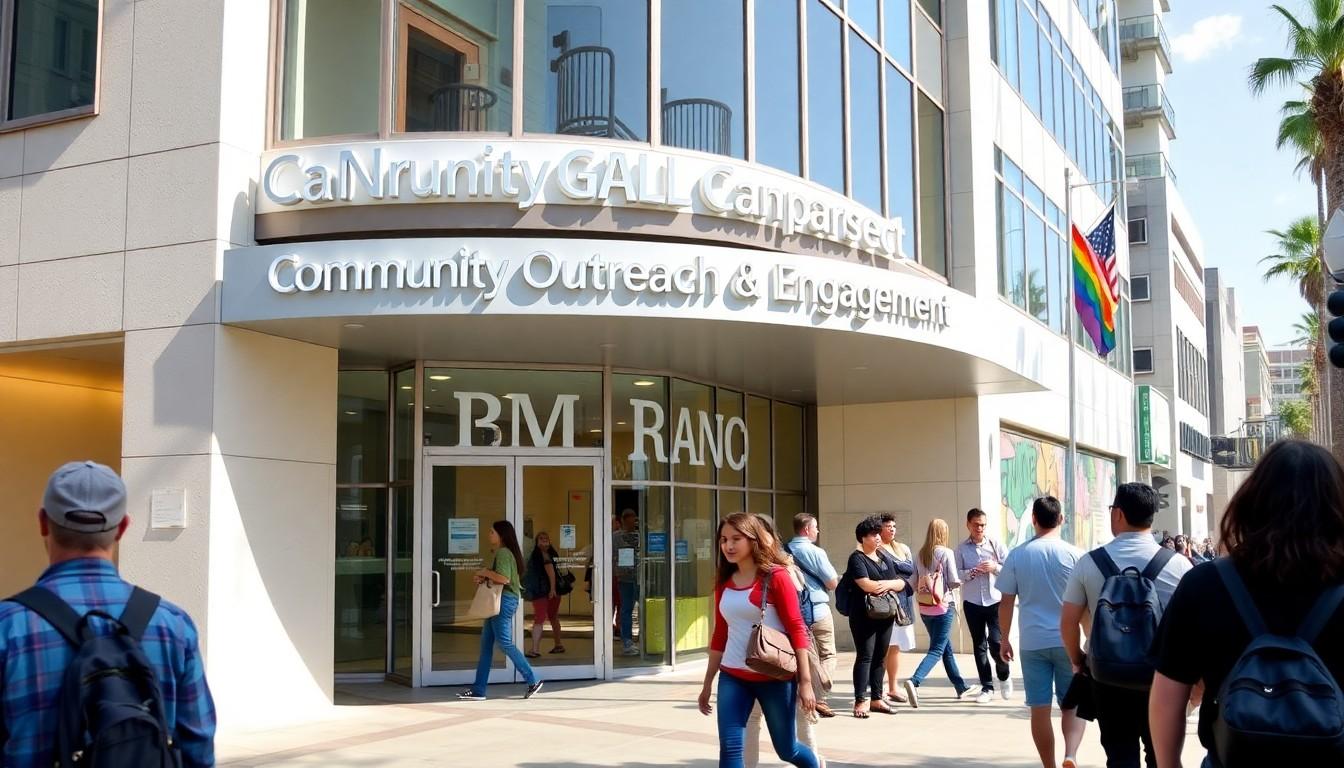
Community groups and health workers are joining forces in Los Angeles to help LGBTQ+ people quit tobacco with support that feels respectful, practical and relevant. The Quit Alliance focuses on tailored advice, trusted local organisations and evidence-based treatment, recognising that stress, discrimination, housing insecurity and healthcare barriers can all make quitting harder.
Essential Takeaways
- Affirming support matters: The programme connects LGBTQ+ community members with services designed around their experiences.
- Local organisations are central: Staff receive training to ask about tobacco, offer advice and make appropriate referrals.
- Several routes can help: Workshops cover counselling, support groups, nicotine replacement and stop-smoking medicines.
- Progress isn't all-or-nothing: Cutting down, making a quit attempt or staying tobacco-free for several days can be meaningful steps.
- Smoke-free spaces help: Workplace, housing and public-space policies can reduce second-hand smoke and support healthier social norms.
A quit-smoking programme built around trust
Quitting tobacco is rarely just a matter of willpower. For people already dealing with stigma, financial pressure or patchy access to healthcare, a standard leaflet and a hurried conversation may not go very far.
That's the thinking behind The Quit Alliance, a Cedars-Sinai Cancer initiative working with LGBTQ+ organisations, healthcare providers and cessation specialists in Los Angeles. According to Cedars-Sinai, the project aims to make support easier to find while ensuring conversations are affirming rather than judgemental.
The need is clear. The US Centers for Disease Control and Prevention highlights tobacco-related health disparities affecting LGBTQ+ communities, while also pointing to the importance of culturally responsive quitting help. In other words, the right support isn't only about what treatment is offered, but how and where it's offered.
Why LGBTQ+ communities can face extra barriers
Tobacco use can be shaped by much more than nicotine dependence. Stress, discrimination, social networks, mental health concerns, unstable housing and limited access to a regular clinician can all affect whether someone feels ready or able to quit.
Community organisations often have a closer relationship with people than a conventional medical appointment allows. Programmes listed by groups including the Los Angeles LGBT Center and LGBTQ Center Orange County show how tobacco-free support can be embedded in familiar, community-led services.
That trust can make a difficult question feel less intrusive. A trained outreach worker might ask about vaping or smoking during an existing conversation, rather than waiting for a formal appointment that may never happen.
The simple conversation that can open the door
The Quit Alliance trains nurses, case managers, health educators and outreach staff in an approach often summed up as ask, advise and refer. It sounds straightforward, but the tone matters: people are offered information and support without being pushed into a decision they're not ready to make.
Training also includes role-play, helping staff respond when someone has tried before, disliked nicotine replacement or simply isn't prepared to stop. A gentle line such as, "Whenever you're ready, we have information for you," can keep the door open without turning the exchange into a lecture.
That flexibility is especially useful because quitting tobacco often takes more than one attempt. The National LGBT Cancer Network and community cessation programmes similarly emphasise practical support, encouragement and meeting people at their current stage.
What effective quitting support can include
Workshops linked to The Quit Alliance cover setting a quit date, reducing tobacco use, handling cravings, planning for social situations and building a support network. Participants can also learn about one-to-one counselling, group sessions, nicotine replacement therapy and prescription cessation medicines.
For someone who smokes quickly or uses tobacco throughout the day, choosing the right level of support is important. A pharmacist, GP or trained cessation adviser can explain treatment options, possible side effects and how different forms of nicotine replacement may fit into daily life.
Community resources can help fill gaps, too. The Quit Alliance and partner organisations connect people with services such as Kick It California, while programmes in other states show how local LGBTQ+ groups are adapting cessation help for their own communities.
Smoke-free spaces support lasting change
Individual help is only part of the picture. The initiative also promotes smoke-free environments in workplaces, healthcare settings, housing areas, restaurants and other shared spaces.
These policies reduce exposure to second-hand smoke, but they can also change what feels normal. When smoking is less woven into everyday routines, someone trying to quit may face fewer automatic cues and fewer awkward explanations.
The approach is backed by public-health funding and delivered through community partnerships, which gives it a practical advantage. Rather than expecting people to navigate a complicated system alone, it brings information closer to where they already live, work and seek support.
A kinder view of quitting
Perhaps the most useful message is that progress doesn't have to look perfect. Going several days without tobacco, reducing use or attending a single workshop can all mark movement in the right direction.
That matters because shame rarely makes behaviour change easier. A patient, affirming conversation can do something more valuable: help someone feel seen, then give them a realistic next step.
For many people, the best LGBTQ+ tobacco cessation support won't be the loudest or most polished service. It'll be the one that listens properly and remains available when they're ready.
It's a small shift in approach, but it can make quitting feel possible.
Source Reference Map
Story idea inspired by: [1]
Sources by paragraph:
- Paragraph 1: [2], [3]
- Paragraph 2: [2], [6]
- Paragraph 3: [3], [5]
- Paragraph 4: [4], [5]
- Paragraph 5: [3], [7]
- Paragraph 6: [2], [6]
- Paragraph 7: [3], [4]
- Paragraph 8: [2], [6]
- Paragraph 9: [3], [7]
- Paragraph 10: [4], [6]
- Paragraph 11: [3], [5]
- Paragraph 12: [2], [7]
- Paragraph 13: [3], [6]
- Paragraph 14: [2], [5]
- Paragraph 15: [3], [7]
- Paragraph 16: [2], [6]