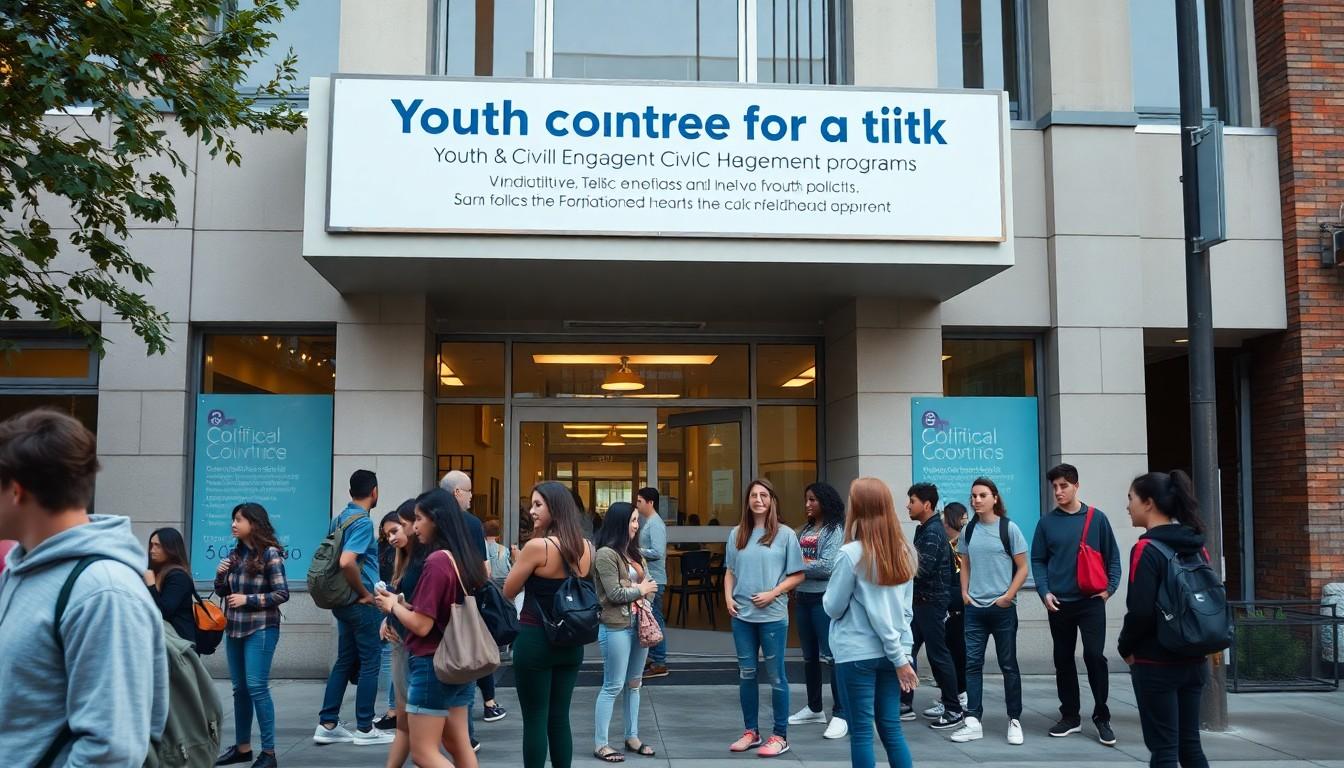
Young LGBTQ+ voters are being encouraged to make their voices heard through short, shareable videos ahead of the US election. Led by San Francisco drag artist Peaches Christ, the nonpartisan Out the Vote project pairs queer storytelling with practical civic engagement, while Queer the Ballot also targets younger audiences seeking a more welcoming route into politics.
Essential takeaways
- Short-form strategy: Out the Vote created nine videos, each around 90 seconds, for websites and Instagram Reels.
- Queer-led storytelling: The films feature LGBTQ+ Gen Z voices from rural communities and cities.
- Familiar face: San Francisco performer Peaches Christ fronts the video series and lends it cultural energy.
- Nonpartisan approach: The campaigns focus on education, participation and voter engagement rather than backing a party.
- Social sharing matters: Reposts are central to reaching younger audiences quickly and organically.
Why queer Gen Z voters are the focus
The strongest part of Out the Vote is its understanding that younger voters don't necessarily need another lecture about civic duty. They need to see people like themselves talking about the pressures shaping everyday life, from education costs and healthcare worries to gun violence and insecure work.
According to the Bay Area Reporter, the initiative is aimed at LGBTQ+ people and Generation Z, broadly defined as those born between 1997 and 2012. That audience is politically significant, but it can also be difficult to reach through traditional campaign channels.
For many younger queer voters, politics isn't an abstract argument on television. It's tied to safety, identity, family and whether they feel represented at all. A short video that feels personal may cut through where a formal advert simply disappears into the feed.
Peaches Christ gives the campaign a recognisable face
Peaches Christ, the San Francisco drag persona of Joshua Grannell, brings a distinctive mix of theatricality, humour and community recognition. Her work has long sat at the intersection of drag, horror and local LGBTQ+ culture, giving the project a presenter who feels far more memorable than a conventional political spokesperson.
Her involvement also reflects the campaign's cultural instincts. Peaches Christ's public profile spans film and performance, as documented by KQED, SFGATE and her own website, so the videos can meet viewers in an entertainment space before asking them to think about participation.
That matters online. Political content often arrives with a stern expression and a very long caption. A drag-led campaign has a better chance of making someone pause, watch and share, especially when the message is rooted in real testimony rather than party slogans.
Nine videos, built for the social feed
Producer Vivian Kleiman told the Bay Area Reporter that the series consists of nine 90-second films featuring queer Gen Z contributors across the country. Raymond Matthews, who also worked on the project, said Instagram Reels were central to the distribution plan.
The format is deliberately compact. Ninety seconds is enough time to establish a voice, reveal a concern and leave viewers with a reason to learn more, while still fitting the quick rhythm of social platforms. The aim isn't to replace detailed political education, but to open the door to it.
Sharing is the key practical idea here. Matthews said reposting is a primary way the message travels, turning supporters into informal distributors. For audiences who discover politics through friends, creators and community accounts, that peer-to-peer route can feel more trustworthy than a paid advert.
Storytelling reaches beyond big cities
Kleiman's stated vision was to include queer Gen Zers from rural areas as well as urban centres. That broader picture is important because LGBTQ+ political experiences aren't uniform, and national campaigns can easily become too focused on major coastal cities.
A rural contributor may speak about isolation, local visibility or limited access to services. Someone in a city may describe different pressures altogether. Putting those experiences side by side gives the campaign texture, rather than presenting queer voters as one tidy block.
It also makes the videos more useful as conversation starters. A viewer might recognise a place, an accent or a worry that rarely appears in mainstream political coverage. Sometimes that small moment of recognition is what makes participation feel possible.
What younger voters can take from the campaign
The immediate lesson is simple: look for information that explains how to register, check deadlines and understand the issues without assuming prior political knowledge. Nonpartisan resources can be particularly helpful for voters who want facts before deciding how to vote.
The wider lesson is about tone. Young LGBTQ+ audiences aren't only being asked to turn out; they're being reminded that their experiences belong in public debate. Peaches Christ's comments, reported by the Bay Area Reporter, frame Gen Z as a generation facing serious economic and social pressures rather than as passive spectators.
That message has staying power beyond one election. When civic engagement feels personal, accessible and a little less solemn, it has a better chance of becoming a habit. And if a sharp drag look helps someone find the polling information they need, that's hardly a bad use of the spotlight.
Explore queer-led, nonpartisan voter resources and share reliable information with someone who may need it.
Source Reference Map
Story idea inspired by: [1]
Sources by paragraph:
- Paragraph 1: [2], [3]
- Paragraph 2: [4], [6]
- Paragraph 3: [5], [7]
- Paragraph 4: [2], [3]
- Paragraph 5: [4], [6]
- Paragraph 6: [2], [7]
- Paragraph 7: [3], [5]
- Paragraph 8: [4], [6]
- Paragraph 9: [2], [7]
- Paragraph 10: [3], [5]
- Paragraph 11: [4], [6]
- Paragraph 12: [2], [7]
- Paragraph 13: [3], [5]
- Paragraph 14: [4], [6]
- Paragraph 15: [2], [7]
- Paragraph 16: [3], [5]
- Paragraph 17: [4], [6]
- Paragraph 18: [2], [7]
- Paragraph 19: [3], [5]
- Paragraph 20: [4], [6]