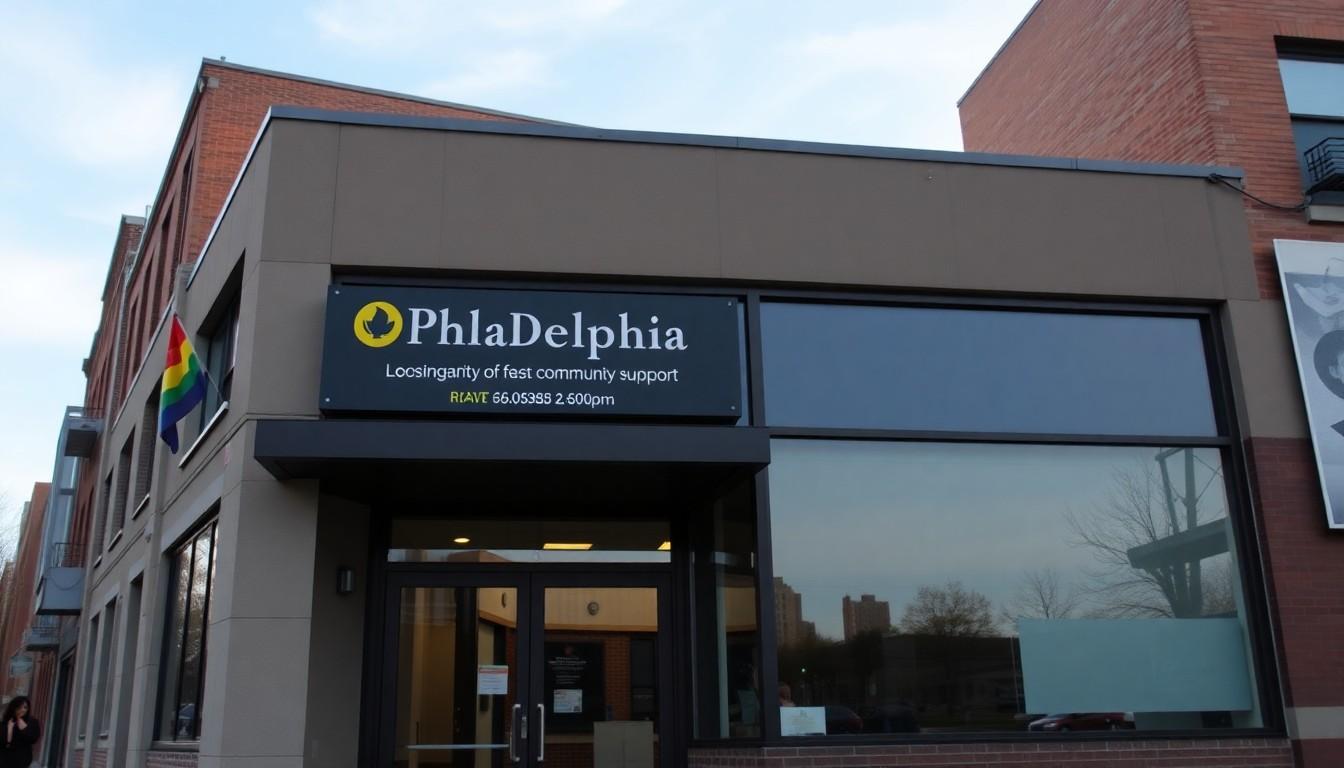
Philadelphia advocate Hazel Edwards has been named to Out magazine's Pride 100, highlighting her work with queer and transgender people of colour. Her journey from leaving an unsupportive boys' school to returning as an LGBTQ+ trainer shows why representation, practical support and lived experience matter far beyond a glossy magazine feature.
Essential Takeaways
- National recognition: Edwards was included in Out magazine's annual Pride 100 list.
- Historic leadership: She became the first Black trans woman to lead Philadelphia nonprofit Galaei.
- Lived experience: Edwards returned to her former boys' school to help train staff on supporting transgender pupils.
- Practical support: Galaei provides food, clothing and advocacy for queer and trans people of colour.
- Policy impact: Edwards helped shape Philadelphia's protections for transgender students.
A Pride honour with real weight
Recognition from a major LGBTQ+ publication can be flattering, but Edwards' inclusion on the Pride 100 feels especially significant because her work is rooted in everyday needs. At Galaei, the Philadelphia nonprofit she leads, advocacy sits alongside essentials such as healthy food and free clothing.
That combination matters. Public conversations about LGBTQ+ rights can become abstract very quickly, while support on the ground is often far more tangible: a meal, a safe outfit, a policy that prevents a young person from being pushed aside. Out magazine's Pride 100, as described by WPVI, celebrates influential LGBTQ+ figures, and Edwards' entry reflects that practical dimension of leadership.
From a difficult school experience to the front of the classroom
Edwards came out as a transgender woman during her final year at an all-boys school. She ultimately left several months before graduation after deciding the environment couldn't offer the support she needed, according to WPVI's report.
The story took an extraordinary turn. Six months later, after the school sought guidance on supporting transgender pupils, Edwards returned to share her experience while working with another LGBTQ+ organisation. The former student was suddenly helping teach the institution how to do better. It's the sort of full-circle moment that sounds almost scripted, except the stakes behind it were painfully real.
Why representation changes institutions
Edwards' leadership at Galaei is historic: she is the first Black trans woman to hold the executive director role. That milestone isn't simply symbolic. It places decision-making power with someone whose own experiences connect closely to the communities the organisation serves.
Her work also extended into education policy. According to WPVI, Edwards helped write Policy 252 for the School District of Philadelphia, intended to protect transgender students. LGBTQ+ Nation and PinkNews have also highlighted the unusual path from leaving school to returning as a trainer on LGBTQ+ issues, underlining how personal experience can become institutional knowledge.
Support means more than speeches
Galaei focuses on social justice for queer and transgender people of colour, including concerns around safety and food insecurity. Edwards has stressed the importance of nutritious meals, a reminder that community care doesn't stop at campaign slogans or annual celebrations.
For people looking for meaningful ways to support LGBTQ+ communities, this offers a useful guide. Donations, volunteering, sharing local resources and backing inclusive school policies can all have a more lasting effect than a once-a-year show of solidarity. The work may be less glamorous, but it reaches people when help is actually needed.
A young leader with a wider purpose
At 29, Edwards' recognition also challenges the familiar idea that major social change must be led by long-established figures. Her route has been difficult, but it has also been direct: survive, return, organise and build something more useful for the next person.
The Pride 100 feature gives that work a national platform, while Galaei keeps it grounded in Philadelphia. For young trans people facing an institution that doesn't yet understand them, Edwards' story carries a powerful message: today's exclusion doesn't have to define tomorrow's leadership.
Small acts of support can become lasting change when people like Edwards turn experience into action.
Source Reference Map
Story idea inspired by: [1]
Sources by paragraph:
- Paragraph 1: [2], [5])
- Paragraph 2: [2], [4]
- Paragraph 3: [2], [3]
- Paragraph 4: [3], [4]
- Paragraph 5: [2], [6]
- Paragraph 6: [2], [3]
- Paragraph 7: [2], [4]
- Paragraph 8: [2], [6]
- Paragraph 9: [2], [5])
- Paragraph 10: [2], [3]
- Paragraph 11: [2], [4]
- Paragraph 12: [2], [6]
- Paragraph 13: [2], [3]
- Paragraph 14: [2], [5])