Jordan Stephens has described an unexpected nightclub encounter in Soho that changed how he understood unwanted touch, prompting a wider conversation about consent, solidarity and the role of straight allies in LGBTQ+ spaces. His reflections arrive as he celebrates an Attitude Ally Award and looks back on the queer community’s influence on his life and work.
Essential Takeaways
- A difficult moment: Stephens said an encounter with a gay man in a London club left him upset rather than defensive.
- A fresh perspective: He connected the experience with the unwanted attention many women face from straight men on nights out.
- Touch can mean different things: Stephens noted that physical affection between men in queer spaces isn't automatically sexual.
- Allyship matters: He credits Jade Thirlwall with helping him understand what visible, active support can look like.
- His creative work reflects that openness: Stephens has previously discussed playing a drag queen in the film Tucked.
One nightclub encounter changed the conversation
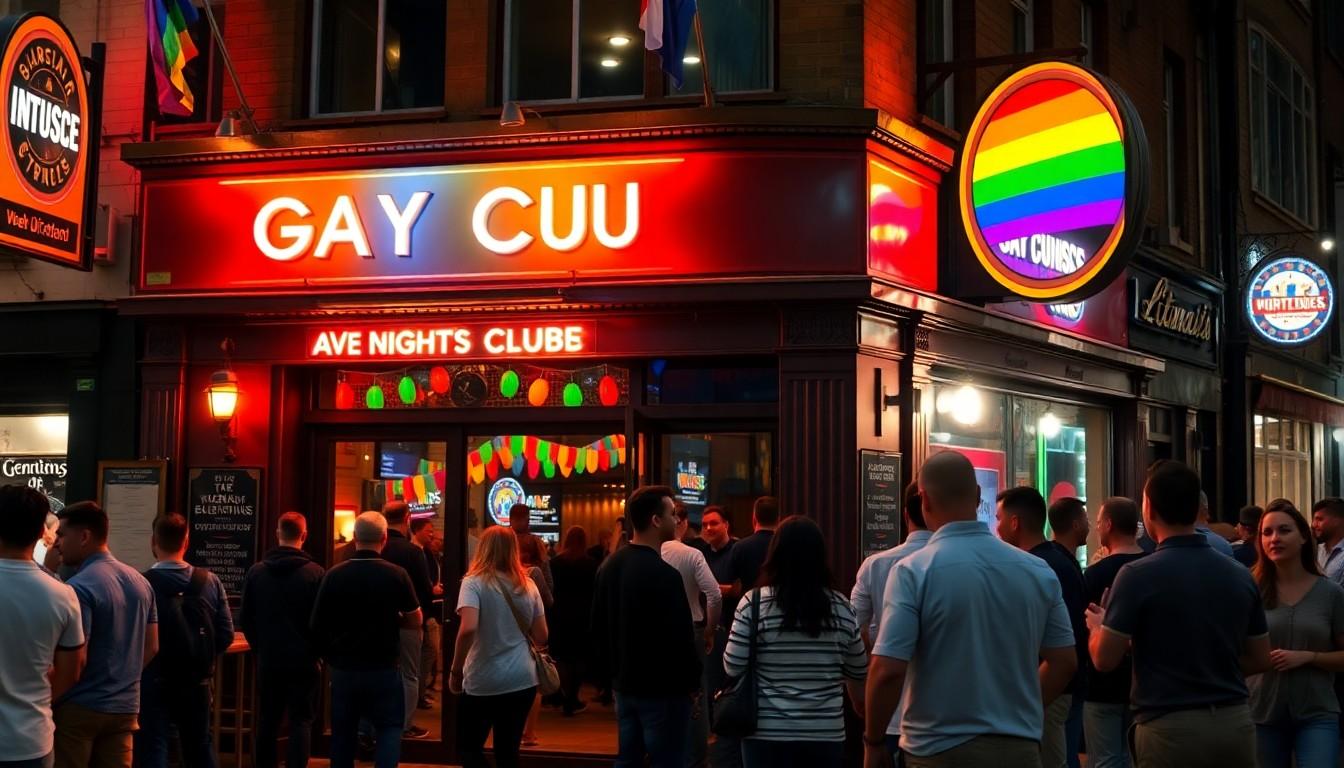
The incident happened while Stephens was celebrating a friend's birthday at a gay nightclub in Soho. Unexpected physical attention might easily have triggered anger or confrontation, but his response was more reflective, and ultimately more troubling.
Speaking to Attitude, Stephens said the experience gave him a deeper understanding of what women can face when men touch them without permission on a night out. That shift in perspective is uncomfortable, but it's also revealing. Sometimes empathy arrives through an experience we'd rather not have. (According to Attitude.)
He said the encounter “profoundly upset” him, not because he viewed the setting as threatening, but because it made a familiar problem feel suddenly personal. Consent doesn't become less important because a venue is queer, lively or flirtatious. (Attitude reported on Stephens's comments.)
Queer spaces can be tactile without being sexual
Stephens also drew attention to a detail that often gets flattened in conversations about LGBTQ+ nightlife: touch can carry affection, friendship and reassurance without automatically signalling sexual interest.
He describes himself as tactile and said men in queer communities can be physically expressive with one another in ways that aren't necessarily sexual. That distinction matters, but it doesn't erase the need to notice whether someone is comfortable. A warm hug and an unwelcome grab may happen in the same crowded room, yet they clearly aren't the same thing. (Attitude.)
For anyone heading into a club, the practical rule is straightforward. Read the situation, look for reciprocal body language and stop if the other person pulls away, stiffens or says no. The atmosphere may be carefree, but personal boundaries still travel with you through the door. (Attitude's coverage provided the context.)
Why Stephens sees allyship as something active
Stephens's comments form part of a wider record of support for LGBTQ+ communities, including his affection for queer spaces and involvement in Pride-related events. His Ally Award recognises that public commitment, but his own description of allyship is less about a label and more about showing up.
He told Attitude that Jade Thirlwall helped him understand what an ally can be. Their shared connection to the community became an important part of their relationship, and he has spoken warmly about the influence she had on his outlook. (Attitude and PinkNews covered his reflections.)
That approach is useful beyond celebrity culture. Being an ally isn't simply agreeing privately or appearing at one event. It can mean challenging prejudice, supporting community-led work, listening carefully and accepting that solidarity should be visible when it counts. (PinkNews reported on Stephens's comments.)
From Tucked to the Attitude Awards
Stephens's relationship with queer culture also runs through his acting work. In the 2018 film Tucked, he played Faith, a drag queen, a role that prompted questions about straight actors portraying queer characters.
He previously told Attitude that the part wasn't about pretending to be queer or treating drag as a costume. Instead, he described it as a safe space to explore a form of expression. That explanation doesn't end the broader debate around representation, but it shows why the role mattered to him personally. (Attitude.)
Now, with his Ally Award and a high-profile cover interview, Stephens is continuing a conversation that links performance, identity and responsibility. His comments suggest that support isn't about claiming someone else's experience. It's about staying open enough to learn from it. (Attitude's awards coverage and event reporting.)
A small lesson with a wider reach
The Soho story has stayed with Stephens because it turned an abstract issue into a physical one. For many people, that's the point at which discussions about consent stop sounding theoretical and start feeling immediate.
His takeaway is valuable, even if the setting makes the story complicated. Queer nightlife can be joyous, intimate and wonderfully expressive, but it still needs the same respect for boundaries expected anywhere else. A good night should leave people feeling connected, not cornered. (Attitude and PinkNews.)
The wider awards coverage also places Stephens among a public group celebrating LGBTQ+ culture, visibility and advocacy. That makes his reflection feel timely: allyship is at its strongest when it combines enthusiasm with humility. (Attitude's awards reporting.)
It's a simple reminder that solidarity starts with listening, and continues with respect.
Source Reference Map
Story idea inspired by: [1]
Sources by paragraph: