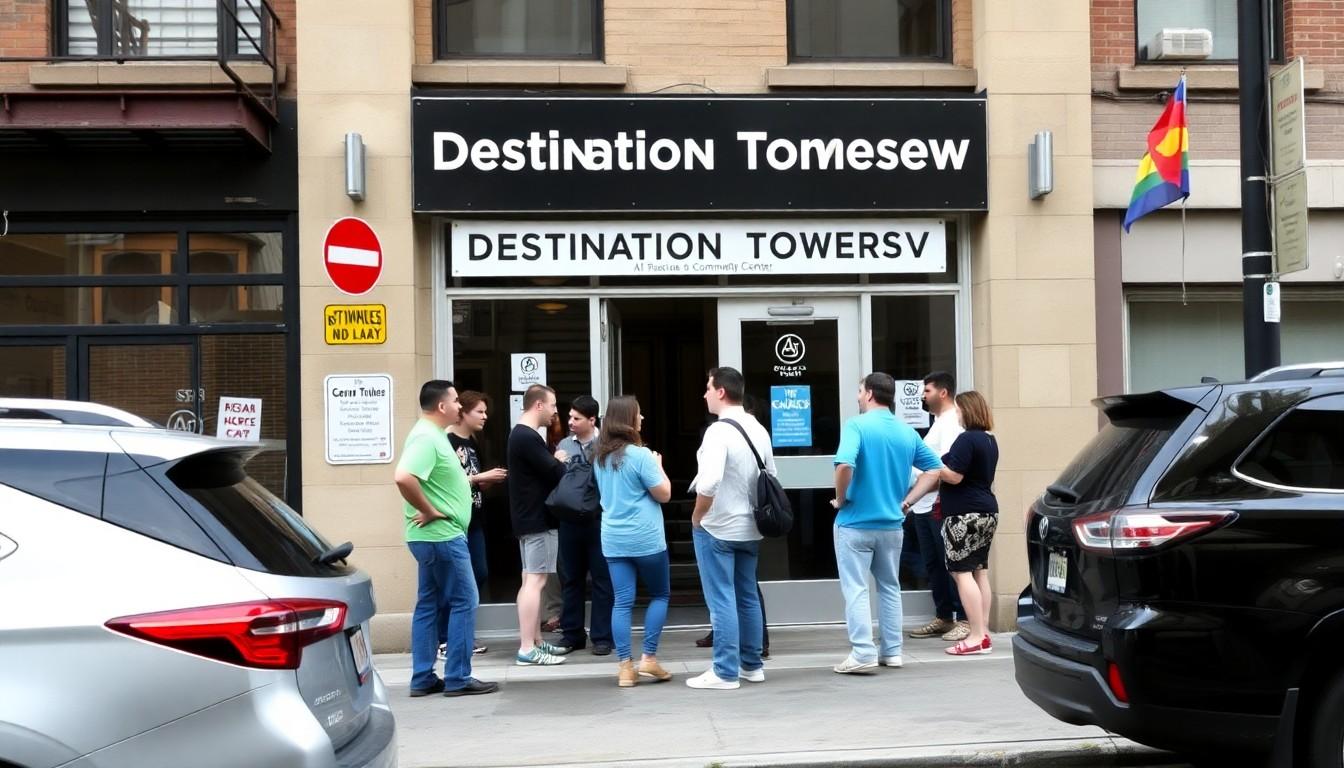
Community leaders and New York City councillors have launched a borough-wide Pride in Policy roundtable series, beginning in the Bronx. The initiative gives LGBTQIA+ New Yorkers a direct say in priorities including housing, healthcare, immigration support and community funding, with discussions designed to shape the city’s next policy agenda.
Essential Takeaways
- The series began in the Bronx: Destination Tomorrow hosted the first community discussion.
- Policy starts with lived experience: Residents and advocates were invited to identify urgent needs and assess proposed solutions.
- Key concerns are practical: Housing, healthcare, immigration legal help and sustained funding emerged as priorities.
- More boroughs are involved: Roundtables are planned for Manhattan, Brooklyn, Queens and Staten Island, alongside a virtual citywide session.
- The goal is measurable action: Feedback is intended to influence legislation, budgets and advocacy work.
The Bronx gives Pride in Policy its starting point
The first Pride in Policy gathering took place at Destination Tomorrow, an LGBTQIA+ organisation in the Bronx, bringing together councillors, advocates, service providers and community representatives. The setting mattered: rather than keeping the conversation behind the polished doors of City Hall, organisers placed it inside a community space with a direct connection to local residents.
According to Bronx.com, Council Member Justin Sanchez, one of the LGBTQIA+ Caucus co-chairs, joined colleagues Kevin C. Riley, Amanda Farías and Shirley Aldebol for the discussion. Representatives from Speaker Julie Menin's office, the Masculine Identified Lesbians of Color Collective and the CUNY LGBTQIA+ Council also took part.
The format was less about making a grand announcement and more about listening. That may sound modest, but for people navigating complex services, being heard by the officials responsible for funding and policy can be a meaningful first step.
What the roundtables are designed to change
Pride in Policy builds on the Marsha & Sylvia Plan, released in 2023, and aims to turn community experience into a broader legislative and policy programme. Participants can raise concerns, test ideas and suggest improvements before priorities are translated into City Council work.
The New York City Council describes its LGBTQIA+ Caucus as a body that helps place LGBTQIA+ perspectives at the centre of legislative and budget decisions. Its wider caucus structure includes councillors working across different districts and policy areas, according to the Council's official caucus information.
That connection between listening and implementation is crucial. A roundtable can create welcome visibility, but residents ultimately want to see whether the conversation leads to funded services, clearer accountability and policies that work outside the meeting room.
Housing, healthcare and legal support dominate the practical agenda
Feedback following the Bronx session pointed to several issues with immediate consequences. Community members highlighted the need for better access to healthcare, housing support and immigration legal assistance, alongside stronger investment in organisations already serving LGBTQIA+ residents.
These priorities reflect the reality that equality policy isn't only about protections on paper. It also involves whether someone can find a safe home, access respectful medical care or get reliable legal advice when their immigration status is uncertain.
Brooklyn LGBTQ+ community organisations have also promoted Pride in Policy events as opportunities for direct dialogue between residents and Council representatives. Taken together, the borough-focused approach suggests that local needs may vary, even when the wider concerns overlap.
A borough-by-borough approach could reveal different needs
After the Bronx launch, events were scheduled for Manhattan and Brooklyn, with further discussions planned for Queens and Staten Island, plus a virtual citywide session. The staggered programme gives each borough space to discuss its own challenges rather than treating New York's LGBTQIA+ community as one uniform group.
That matters because access to services can look very different from one neighbourhood to another. Transport, local organisations, housing pressures and language needs may all shape what residents consider most urgent.
The Brooklyn event, listed by local LGBTQ+ organisations, shows how community venues are being used as part of the outreach effort. A familiar, welcoming location can make policy discussions feel less intimidating, especially for people who don't regularly attend government meetings.
The real test will be what happens next
The Caucus says feedback from the series will help revise its Pride in Policy agenda and guide future legislative, budgetary and advocacy work. Organisers have also stressed the importance of measurable outcomes, sustained funding and accountability.
That is where the initiative will earn its credibility. Community members can share powerful testimony, but they should also be able to track what changed, who is responsible and when progress will be reported.
For now, the roundtables offer a promising model: take policy conversations into the boroughs, make room for local expertise and connect public participation to decisions that affect everyday life. The hard work, naturally, begins after the chairs are folded away.
It's a small but important shift from speaking about communities to building policy with them.
Source Reference Map
Story idea inspired by: [1]
Sources by paragraph:
- Paragraph 1: [2], [3]
- Paragraph 2: [2], [3]
- Paragraph 3: [2], [4]
- Paragraph 4: [3], [7]
- Paragraph 5: [2], [3]
- Paragraph 6: [2], [4]
- Paragraph 7: [2], [3]
- Paragraph 8: [4], [5]
- Paragraph 9: [2], [4]
- Paragraph 10: [3], [7]
- Paragraph 11: [4], [5]
- Paragraph 12: [2], [3]
- Paragraph 13: [2], [3]
- Paragraph 14: [4], [5]
- Paragraph 15: [2], [3]
- Paragraph 16: [2], [3]
- Paragraph 17: [3], [6]
- Paragraph 18: [2], [4]