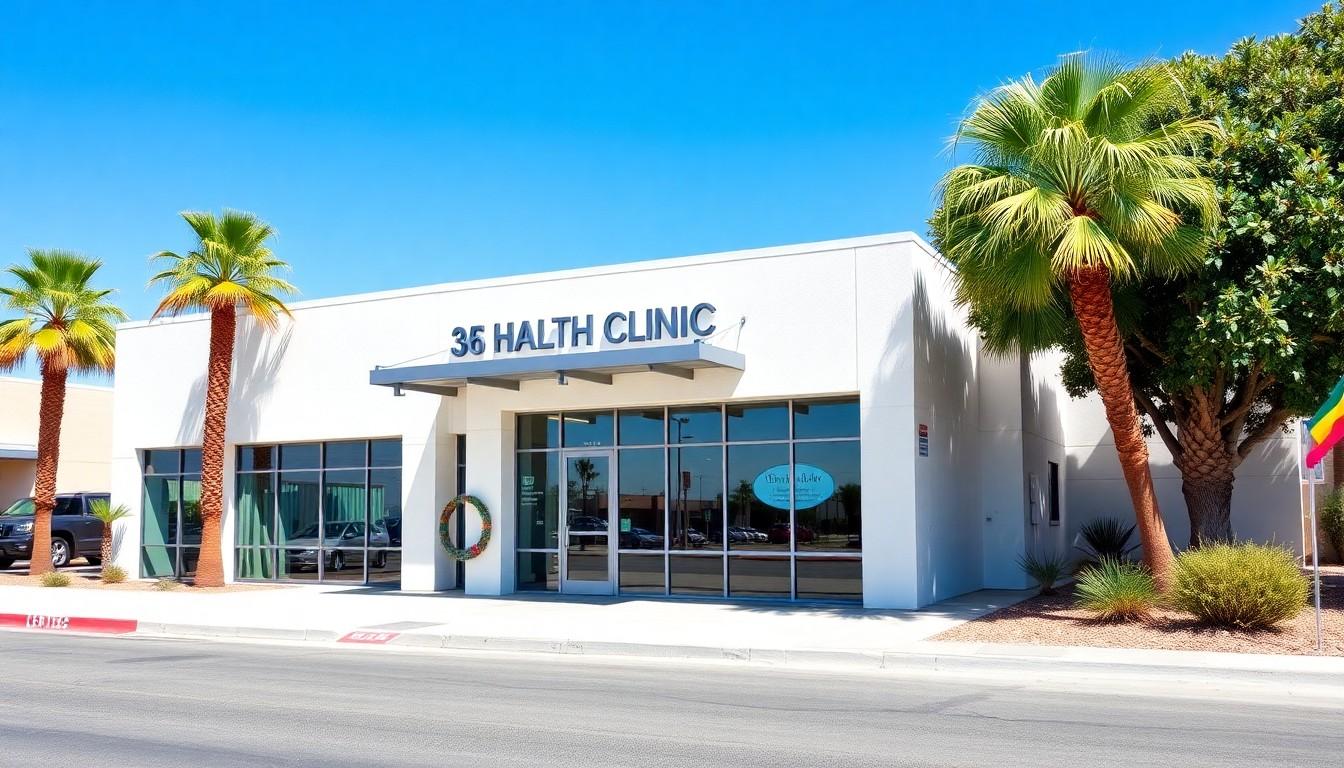
Patients across the Coachella Valley are calling for safer, more informed LGBTQ+ healthcare, after local survey findings highlighted missed screenings, weak representation and fear of judgement. The message is clear: respectful care isn't an optional extra, but a practical part of better health outcomes for lesbian and queer women.
Essential Takeaways
- Trust affects treatment: Patients may delay care when they expect judgement or misunderstanding.
- Screenings still matter: Lesbian women need routine breast checks, cervical screening and other preventive care.
- Research remains limited: KFF and academic research point to persistent gaps in LGBTQ+ health data.
- Local voices are organising: Community groups are pushing for women-centred services and better-trained providers.
- A new clinic is planned: DAP Health's women's health clinic is expected to open in Palm Springs in early 2027.
When a doctor's office doesn't feel safe
The most disturbing detail in this story isn't a statistic. It's the memory of a hospice nurse suggesting that a woman's illness might be punishment for being a lesbian. Kelly Watson, who later helped establish Triangle Care Management, says the experience shaped her determination to make healthcare safer for LGBTQ+ people.
That kind of cruelty may be an extreme example, but the underlying problem is more familiar: patients worrying that a provider won't understand their relationship, identity or health needs. KFF research on LGBTQ+ healthcare access and discrimination shows that cost, access barriers and negative experiences can all make people less likely to seek help.
For someone already nervous about a diagnosis, a cold reception can feel like a locked door. The result isn't simply an uncomfortable appointment. It can mean symptoms go unmentioned, screenings are postponed and trust disappears.
Why inclusive care can change health outcomes
A local survey by the LGBTQ Community Center of the Desert found that health and wellness ranked as the leading quality-of-life concern for respondents. Participants also highlighted the need for reproductive healthcare, respectful doctors and services designed with women in mind.
That matters because LGBTQ+ patients aren't a single, uniform group. Lesbian and queer women can have specific preventive-health needs, yet those needs are often blurred in broad healthcare categories. Research discussed by KFF and LGBTQ+ health organisations points to disparities in access, delayed treatment and overall health outcomes.
The practical lesson is straightforward. Inclusive care doesn't mean giving patients special treatment; it means asking better questions, avoiding assumptions and understanding that a patient's family, partner and sexual-health history may not fit an old-fashioned template.
The screening myths that put women at risk
One particularly damaging misconception is that lesbian women don't need routine cervical or breast screening. Medical professionals quoted in the Coachella Valley report have warned that this is false, while LGBTQ+ health guidance continues to stress the importance of preventive care based on individual risk and anatomy.
HPV can be passed between women, and breast cancer risk doesn't vanish because a patient has a female partner. Yet if a woman expects a provider to question her sexuality or make assumptions about her sex life, she may decide that avoiding the appointment is easier.
That is why choosing an LGBTQ+-affirming practice can be useful. When booking, ask whether the surgery has experience with LGBTQ+ patients, whether forms include inclusive relationship options and whether you can request a clinician you feel comfortable with. Small signals, such as using the right name and pronouns, can make the room feel noticeably less intimidating.
Better training starts with better data
Karyl Ketchum of The L-Fund argues that lesbian and queer women are often overlooked within research that already treats LGBTQ+ people as a minority population. That creates a frustrating chain reaction: fewer studies lead to less teaching, which leaves clinicians less prepared and patients doing the explaining.
Academic work on cultural competence has also questioned whether a tick-box approach is enough. Training can help, but genuine competence involves listening, recognising power differences and understanding that no patient should have to deliver a crash course in their own identity before receiving care.
The shift is already visible in community-led efforts. The LGBTQ Community Center of the Desert is presenting its survey findings through town halls, while organisations such as Triangle Care Management are helping older LGBTQ+ adults and people with disabilities navigate care.
What the next phase of care could look like
Dr Laura Rush, who spent years working as one of the few openly lesbian doctors in the Coachella Valley, has returned to medicine with DAP Health. She is expected to work closely with a women's health clinic planned for the organisation's Sunrise Campus in Palm Springs in early 2027.
A dedicated service won't solve every problem, but it could remove one of the biggest barriers: the fear of having to justify yourself before being treated. KFF findings suggest LGBTQ+ adults are more likely to postpone or skip needed care, so a welcoming local clinic could make prevention feel more realistic, not merely recommended.
For patients, the outlook is cautiously hopeful. Better services, stronger research and more visible providers won't erase years of mistrust overnight, but they can begin to replace dread with something far more useful: confidence.
It's a small change in the consultation room, but it can have life-saving consequences.
Source Reference Map
Story idea inspired by: [1]
Sources by paragraph: