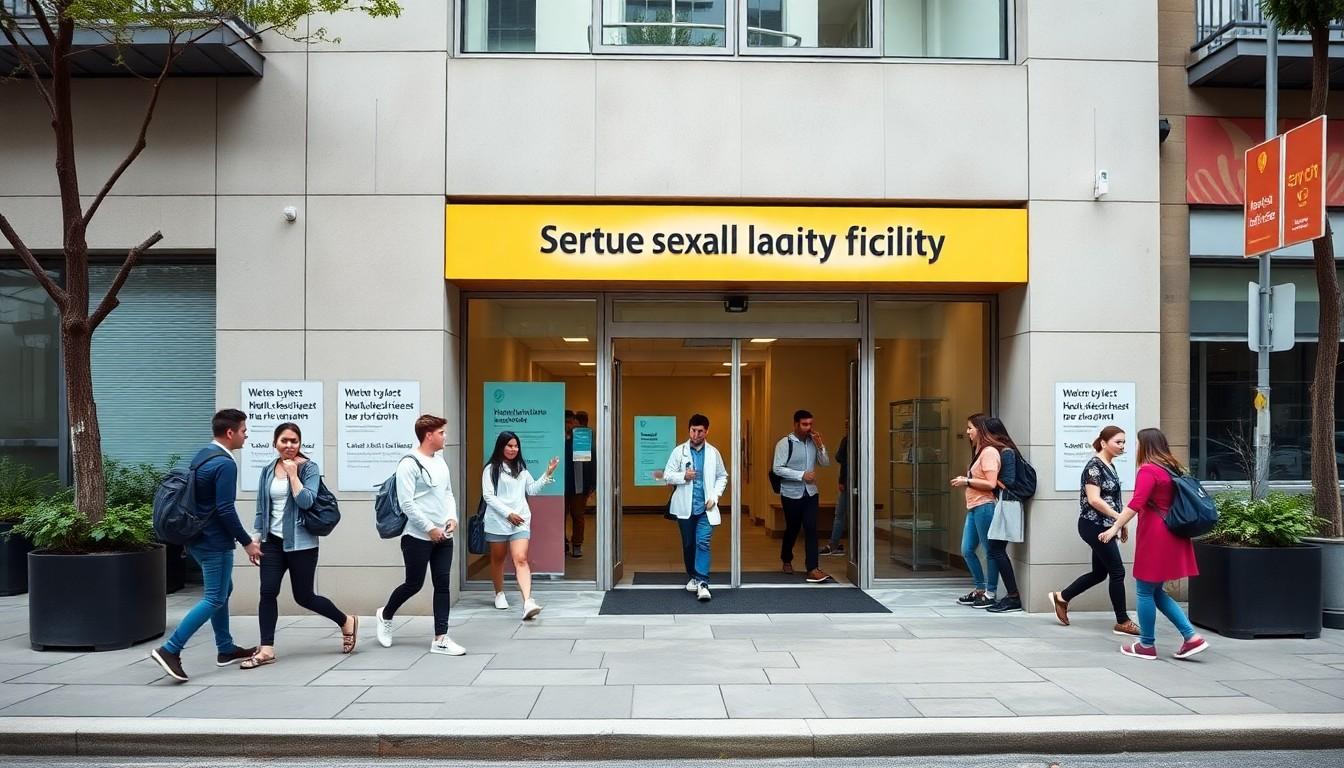
Young people in The Gambia are calling for sexual health services that are easier to access, safer to discuss and genuinely inclusive. At a youth festival in QCity Arena, advocates highlighted how stigma, poor communication and a shortage of sign-language support can leave deaf women and girls without confidential, youth-friendly care.
Essential Takeaways
- Communication remains a major barrier: A shortage of health workers trained in sign language can make consultations stressful and incomplete.
- Privacy matters: Relying on third-party interpreters may compromise confidentiality during sensitive appointments.
- Female interpreters are needed: Some patients feel more comfortable discussing intimate health concerns with women.
- Youth-friendly care is practical care: Free consultations, screenings and interactive activities can bring trusted information closer to young people.
- Professional standards must come first: Advocates say personal beliefs shouldn't prevent patients receiving accurate, appropriate support.
A festival puts young people at the centre
The strongest message from the Youth Sexual Health Festival was refreshingly simple: young people need information and services they can actually use. At the QCity Arena event, discussions about sexual and reproductive health were paired with practical support, creating a more welcoming atmosphere than a traditional conference.
Project 21, which organised the festival, aimed to replace fear and judgement with open conversation. The wider focus on youth access and rights is also reflected in programmes such as the Young People with Disabilities Development Foundation's sexual and reproductive health work.
Instead of filling the day with speeches, organisers created a Health Village with consultations, screenings, games, advocacy activities and exhibitions. That format matters. Health advice is far more likely to stick when it feels approachable rather than like a lecture.
Why sign-language access can't be an afterthought
For deaf women and girls, reaching a clinic is only the beginning. If staff can't communicate directly with a patient, a consultation can become slow, awkward and dependent on someone else filling in the gaps.
Aja Binta Jabang of the Gambia Deaf Women Society said many deaf patients rely on third-party interpreters. That can raise obvious concerns around privacy, particularly when the appointment involves contraception, sexual health, pregnancy or possible abuse. Recent warnings from disability advocates in The Gambia have also linked limited sign-language access with broader social and economic exclusion.
The need isn't simply for more interpreters. Patients also need choice, including access to female interpreters where possible. Sensitive healthcare should feel private and respectful, not like a conversation being conducted in front of an unintended audience.
Training could make everyday care more inclusive
Nurses, doctors and clinic staff don't all need to become fluent overnight, but basic sign-language training would be a meaningful start. It could help with greetings, consent, symptoms, medication instructions and the simple reassurance that a patient has been understood.
Nyima Sanyang, a registered nurse and health advocate, called for training across health facilities, including support for people with hearing and visual impairments. That kind of approach fits a wider movement towards communication-accessible services, including programmes that connect people with disability support and health information.
Good practice also means offering accessible written information, visual materials and clear ways to book appointments. Staff should know when to use a qualified interpreter rather than relying on relatives, especially where confidentiality and informed consent are involved.
Trust is part of the treatment
Young people often hesitate to seek sexual health advice when they expect criticism. Cultural and religious beliefs can shape how services are delivered, but advocates at the festival stressed that professional responsibilities must remain clear.
Sarata Ceesay, an adolescent girls advocate, warned that judgement or incomplete advice can push young people towards unreliable sources. That risk is particularly serious online, where confident-sounding misinformation can spread faster than careful medical guidance.
International sexual and reproductive health programmes, including work supported by IPPF, place choice, dignity and informed decision-making at the heart of care. For patients, the practical lesson is straightforward: a service isn't truly youth-friendly if it feels shaming, confusing or unsafe.
What better services could look like
The most effective improvements are often unglamorous but concrete. Clinics can train staff in basic sign language, maintain a list of qualified interpreters, prioritise confidentiality and make accessible information available before an appointment. They can also ask deaf patients directly what support works best, rather than assuming.
Youth festivals and outreach events have a role too, especially when they combine education with screenings and consultations. Evidence from research on communication access in healthcare suggests that better communication can improve understanding, trust and engagement, rather than merely making a service feel more welcoming.
There is also a wider community message here. As Project 21 urged, lessons from the festival need to travel into homes, schools and neighbourhoods. When young people can ask questions without fear, and health workers can respond without barriers, everyone gets a fairer chance to make informed choices.
Inclusive sexual health care starts with being heard, understood and treated with dignity.
Source Reference Map
Story idea inspired by: [1]
Sources by paragraph:
- Paragraph 1: [2], [4]
- Paragraph 2: [5], [7]
- Paragraph 3: [3], [6]
- Paragraph 4: [2], [5]
- Paragraph 5: [3], [6]
- Paragraph 6: [4], [7]
- Paragraph 7: [2], [6]
- Paragraph 8: [5], [7]
- Paragraph 9: [3], [6]
- Paragraph 10: [2], [4]
- Paragraph 11: [5], [6]
- Paragraph 12: [3], [7]
- Paragraph 13: [2], [5]
- Paragraph 14: [4], [6]